
Probiotics and Immunosuppressants: Infection Risks and Safety Guidance
 Jun, 16 2026
Probiotic Safety Risk Assessor
This tool helps estimate your potential risk level when taking probiotics while on immunosuppressive therapy. Select factors that apply to you:
-
Imagine taking a supplement that is supposed to help your gut health, only for it to cause a life-threatening bloodstream infection. For most people, probiotics are live microorganisms that confer a health benefit on the host when administered in adequate amounts, as defined by the World Health Organization and Food and Agriculture Organization in 2001. They are widely used to prevent antibiotic-associated diarrhea and support digestive balance. However, if you are taking immunosuppressants are medications that reduce the activity of the immune system-whether for an organ transplant, autoimmune disease, or cancer treatment-the rules change completely. What is safe for the general public can be dangerous for you.
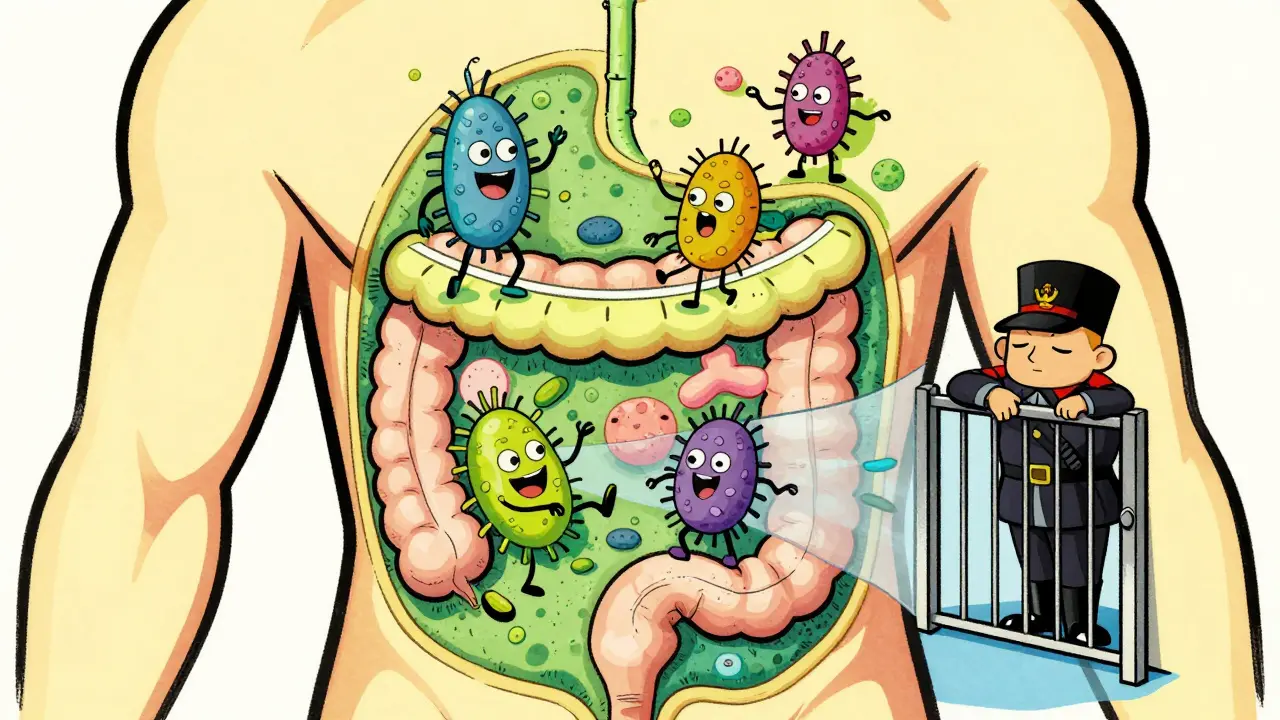
The relationship between these live bacteria and a suppressed immune system has been under intense medical scrutiny since around 2010, when case reports of serious infections began appearing in medical literature. The core issue is simple but critical: your immune system is designed to keep microbes in the gut where they belong. When that defense is weakened, even beneficial bacteria can cross the intestinal barrier, enter the bloodstream, and cause severe conditions like sepsis or abscesses.
Why Probiotics Pose a Unique Risk for Immunocompromised Patients
To understand the danger, you need to look at how probiotics work versus how immunosuppressants function. Probiotics, such as Lactobacillus (found in 73% of commercial products) and Bifidobacterium (in 68%), survive in the gut by competing with pathogens and producing antimicrobial compounds. They rely on your body’s natural barriers to stay contained.
Immunosuppressants disrupt this containment. Medications like cyclosporine, tacrolimus, mycophenolate mofetil, and biologics like rituximab deliberately lower your immune response. According to Dr. Joanna Scott-Lutyens, a Nutritional Therapist at Optibac Probiotics, "Microbes, even those that are normally neutral or considered beneficial, can sometimes cross the gut barrier and grow in the blood or in the internal organs where the nutrients are high and the competition for nutrients is low." This growth can lead to septicaemia, fungemia, or endocarditis.
The risk isn't theoretical. A 2021 systematic review published in Frontiers in Cellular and Infection Microbiology found bloodstream infection rates of 0.01-0.1% in high-risk populations using probiotics. While that percentage sounds small, the consequences are severe. Between 2000 and 2020, a study documented 47 cases of probiotic-related infections, with 83% occurring in immunocompromised patients and 36% resulting in death. The most common culprits were Lactobacillus rhamnosus GG and the yeast strain Saccharomyces boulardii.
High-Risk Scenarios: Who Should Avoid Probiotics?
Not all immunosuppressed patients face the same level of danger. The Infectious Diseases Society of America (IDSA) 2023 guidance outlines a four-tier risk assessment to help determine safety:
- Category 1 (Highest Risk): Patients with neutropenia (neutrophil count <500 cells/µL), recent stem cell transplants, or central venous catheters. For these individuals, probiotics are an absolute contraindication. A 2019 study in JAMA Internal Medicine showed a 27% higher risk of catheter-related bloodstream infections when using Saccharomyces-containing probiotics.
- Category 2 (Moderate Risk): Solid organ transplant recipients within the first three months post-transplant, or those with severe autoimmune diseases on multiple immunosuppressants. Use is restricted to cases with infectious disease specialist consultation.
- Category 3 (Lower Risk): Patients with stable autoimmune disease on a single agent, or HIV patients with CD4 counts >200 cells/µL. Selective strains may be considered under strict supervision.
- Category 4 (Low Risk): Individuals not on immunosuppressive therapy. Standard use applies.
Specific groups require extra caution. Bone marrow transplant recipients face a 4.2-fold increased risk of probiotic-related bacteremia compared to non-users, according to a 2020 study in Blood Advances. Conversely, liver transplant recipients have shown some benefit; a 2022 meta-analysis in Liver Transplantation indicated probiotics reduced bacterial infections by 34% without increasing serious adverse events. This highlights why a one-size-fits-all answer doesn't exist.
The Saccharomyces Boulardii Danger Zone
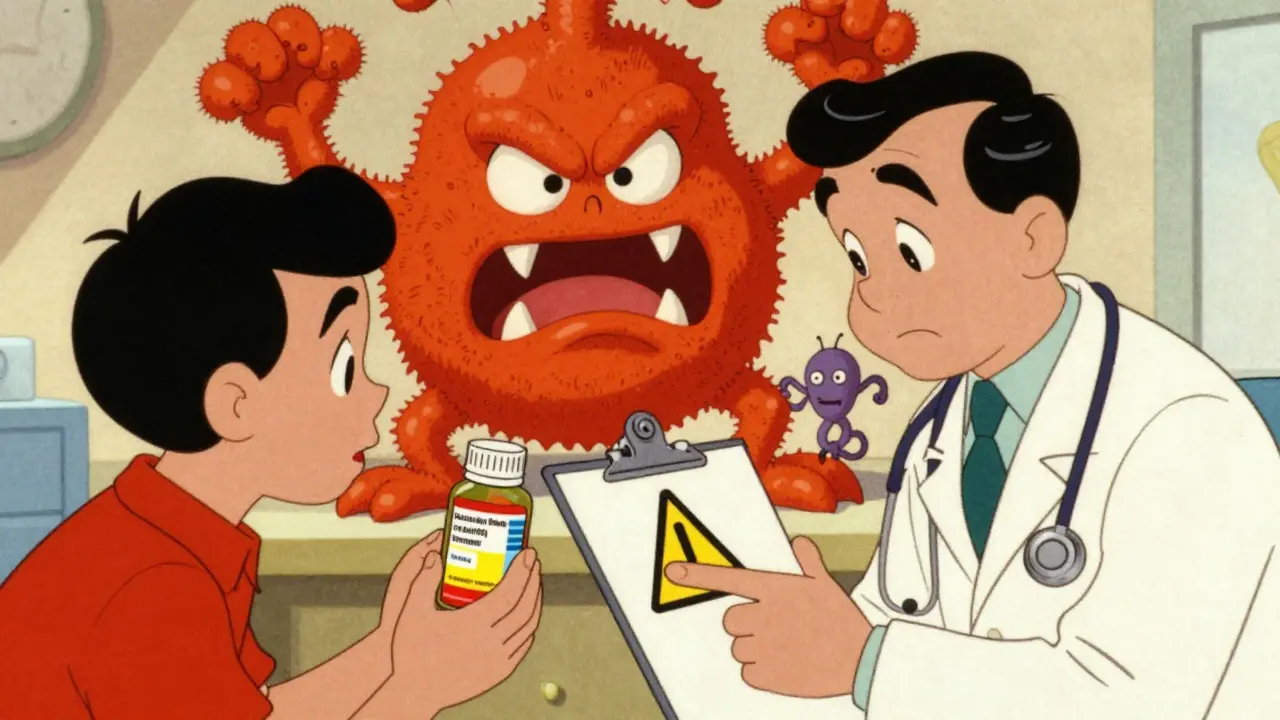
If there is one specific ingredient to watch out for, it is Saccharomyces boulardii is a yeast-based probiotic strain often used for digestive issues. Unlike bacterial probiotics, this is a fungus. For patients with central lines or severely compromised immunity, the risks are significantly higher. A 2018 review in Clinical Infectious Diseases documented case fatality rates of 22% for Saccharomyces fungemia in vulnerable patients.
In July 2023, the FDA issued a safety communication requiring warning labels on probiotics containing Saccharomyces boulardii for immunocompromised patients, citing 14 cases of fungemia since 2020. If you are on immunosuppressants, check your supplement labels carefully. Many multi-strain products include this yeast without prominent warnings.
Navigating Conflicting Medical Advice
You might hear conflicting stories. Some patients report no issues, while others share terrifying experiences with sepsis. This variance comes down to individual immune status and the specific strains used. Dr. V Stadlbauer from the Medical University of Graz noted in 2015 that probiotics seem safe for HIV patients with preserved immunity but raised concerns for other transplant groups. Meanwhile, Lisa A. Thompson, PharmD, BCOP, advises oncology nurses to counsel chemotherapy patients to avoid probiotics during periods of myelosuppression.
Regulatory gaps also contribute to confusion. The FDA classifies most probiotics as dietary supplements, not drugs. This means they bypass rigorous pre-market safety testing for high-risk populations. The European Food Safety Authority (EFSA) rejected 95% of health claims for probiotics between 2010 and 2020 due to insufficient evidence. Only specific strains, like Lactobacillus plantarum 299v for IBS, received approval for specific benefits.
| Patient Population | Risk Level | Key Evidence/Guidance |
|---|---|---|
| Bone Marrow Transplant | Very High | 4.2x increased bacteremia risk; avoid during neutropenia |
| Liver Transplant | Moderate/Low | 34% reduction in bacterial infections; strongest evidence for benefit |
| HIV (CD4 >200) | Low | Minimal risk observed in retrospective cohorts |
| HIV (CD4 <100) | High | 3.8x higher risk of fungemia |
| Chemotherapy (Myelosuppression) | High | Avoided at 87% of US cancer centers during low neutrophil counts |
Practical Steps for Safe Management
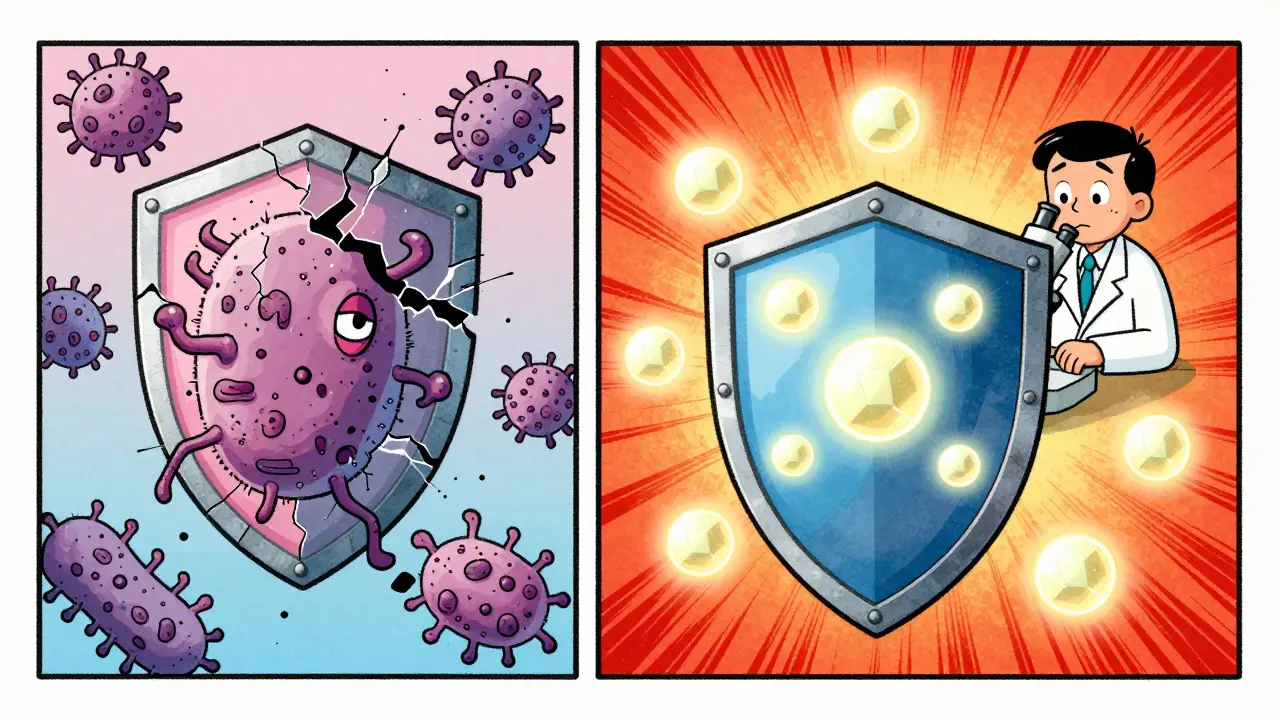
If you are considering probiotics while on immunosuppressants, do not self-prescribe. Follow these steps to minimize risk:
- Consult Your Specialist: Ask your transplant coordinator, rheumatologist, or oncologist. Do not rely on general practitioner advice alone, as they may not be aware of the latest IDSA 2023 guidelines.
- Identify Strains Precisely: Generic labels like "Lactobacillus" are insufficient. You need the full strain designation (e.g., Lactobacillus rhamnosus GG ATCC 53103). Different strains have vastly different safety profiles.
- Avoid Multi-Strain Products: A 2022 study in Clinical Microbiology and Infection found that single-strain probiotics had a 63% lower translocation risk than multi-strain formulations. Simpler is safer.
- Monitor for Symptoms: If approved to use probiotics, monitor for fever (>38.3°C or 101°F), chills, or unusual fatigue immediately. Discontinue use and seek emergency care if these symptoms arise.
- Consider Postbiotics: Emerging research focuses on postbiotics-inactivated microbial cells and metabolites. A phase 2 trial (NCT04873011) showed a 40% reduction in C. difficile infection in immunocompromised patients without the infection risks associated with live cultures.
Future Directions and Current Research
The medical community is actively working to clarify these risks. The PROTECT registry (Probiotic Risk Evaluation in Transplant and Chemotherapy), launched in 2023, is tracking 5,000 immunosuppressed patients across 47 centers to establish evidence-based guidelines. Preliminary data is expected in Q2 2025. Additionally, the European Society for Paediatric Gastroenterology updated their guidelines in January 2024 to include specific contraindications for children on immunosuppressants, noting that 78% of pediatric probiotic-related infections occurred in children with inflammatory bowel disease on biologic therapy.
Until more comprehensive data is available, the safest approach remains caution. With only 12 of 150 commonly used probiotic strains having comprehensive safety profiles in immunosuppressed populations (per the 2023 World Gastroenterology Organisation report), the unknowns still outweigh the potential benefits for many patients.
Can I take probiotics if I have an autoimmune disease like Rheumatoid Arthritis?
It depends on your medication regimen. If you are on a single agent like methotrexate and your condition is stable, some specialists may approve specific, single-strain probiotics. However, if you are on biologics or combination therapy, the risk increases. Always consult your rheumatologist before starting any new supplement.
Are fermented foods like yogurt safe for immunosuppressed patients?
Generally, yes, but with caveats. Pasteurized dairy products are safer because the heating process kills live cultures. Unpasteurized fermented foods contain higher loads of live organisms and should be avoided by high-risk patients (Category 1). Check with your dietitian regarding pasteurization status.
What is the difference between probiotics and postbiotics?
Probiotics are live microorganisms. Postbiotics are the inactive components of these microbes, such as cell walls and metabolic byproducts. Postbiotics may offer similar gut-health benefits without the risk of infection, making them a potentially safer option for immunocompromised individuals, though long-term data is still emerging.
Why is Saccharomyces boulardii specifically dangerous?
Saccharomyces boulardii is a yeast, not a bacterium. In patients with central venous catheters or severe immune suppression, it can cause fungemia (yeast in the blood), which has a high mortality rate (22% in documented cases). It is particularly risky because antifungal treatments may be less effective or harder to manage than antibacterial ones.
Do insurance companies cover probiotics for transplant patients?
Coverage is limited. Medicare Part D typically covers only prescription-grade probiotics like VSL#3 for specific conditions like pouchitis. Most over-the-counter probiotics require out-of-pocket payment, averaging $38.50 per month. Check with your pharmacy benefit manager for specific formulary coverage.