
Paroxetine and Weight Gain: Managing Metabolic Side Effects
 Jun, 8 2026
Paroxetine Weight Gain Estimator & Medication Comparator
Weight Gain Estimator
Based on clinical data showing ~25.5% of users gain ≥7% body weight within 6 months.
Estimated Outcome:
Medication Comparison
Compare weight gain risks across common antidepressants.
| Medication | Class | Risk Level |
|---|---|---|
| Paroxetine | SSRI | High |
| Mirtazapine | Tetracyclic | Mod-High |
| Amitriptyline | TCA | High |
| Sertraline | SSRI | Low-Mod |
| Fluoxetine | SSRI | Low |
| Bupropion | NDRI | Very Low |
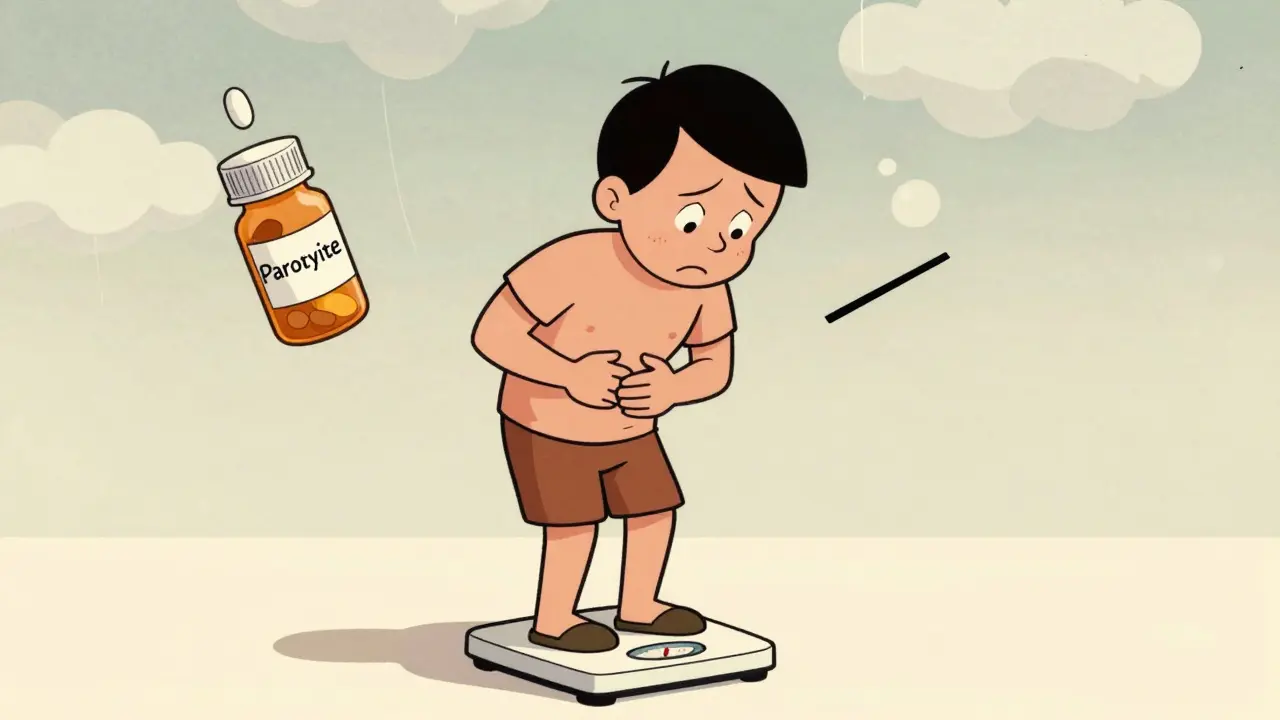
If you’ve started taking Paroxetine, also known by brand names like Paxil or Seroxat, you might have noticed the scale creeping up. You aren’t imagining it, and you certainly aren’t alone. While this medication is highly effective for treating depression, anxiety, and PTSD, it carries a well-documented reputation for causing more significant weight gain than many other antidepressants.
This isn't just about vanity; it’s about metabolic health. Understanding why this happens, how much weight you might realistically expect to gain, and what you can do about it is crucial for staying on your treatment plan without compromising your physical well-being. Let’s look at the data, compare it to alternatives, and discuss practical strategies to manage these changes.
The Reality of Paroxetine-Induced Weight Gain
When we talk about weight gain from antidepressants, not all drugs are created equal. Research consistently places Paroxetine at the top of the list for SSRIs (selective serotonin reuptake inhibitors) when it comes to adding pounds. A pivotal study published in the Journal of Clinical Psychiatry by Dr. Maurizio Fava and colleagues in 2014 shed some harsh light on this issue. They tracked patients over six months and found that 25.5% of those on paroxetine experienced clinically significant weight gain-defined as an increase of 7% or more of their body weight.
To put that in perspective, only 4.2% of patients taking Sertraline (Zoloft) and 6.8% of those on Fluoxetine (Prozac) hit that same threshold during the same period. That’s a massive difference. If you weigh 150 pounds, a 7% gain is roughly 10.5 pounds. For nearly one in four paroxetine users, that’s the baseline expectation within half a year.
The effect is often dose-dependent and time-dependent. In the short term (4-12 weeks), changes might be minimal. However, as treatment extends beyond six months, the weight gain tends to accumulate. Long-term studies, such as one tracking patients for 2.5 years, showed an average gain of 2.5% of baseline weight, but with a significant subset of patients gaining far more. This suggests that if you are prescribed paroxetine for long-term maintenance of anxiety or depression, monitoring your weight should be part of the routine, not an afterthought.
Why Does Paroxetine Cause Weight Gain?
You might wonder why this specific drug has such a strong metabolic impact compared to others in its class. The mechanism involves serotonin, the neurotransmitter paroxetine targets. Serotonin plays a complex role in regulating appetite, satiety, and carbohydrate cravings. By increasing serotonin availability in the brain, paroxetine can alter how your body signals fullness and desire for food.
Many patients report intense cravings for carbohydrates and sugars while on paroxetine. It’s not just a lack of willpower; the medication chemically shifts your reward system toward high-calorie foods. Additionally, paroxetine can cause fatigue or sedation in some individuals, which naturally leads to reduced physical activity. Combine increased caloric intake from cravings with decreased energy expenditure from fatigue, and weight gain becomes a likely outcome.
There is also a genetic component emerging in recent research. Studies following up on the STAR*D trial have identified specific variants in the 5-HT2C receptor gene that may make certain individuals more susceptible to paroxetine-induced weight gain. This means that while some people take paroxetine for years without gaining an ounce, others are biologically predisposed to significant metabolic changes. This variability makes personalized medicine increasingly important in psychiatry.
Comparing Paroxetine to Other Antidepressants
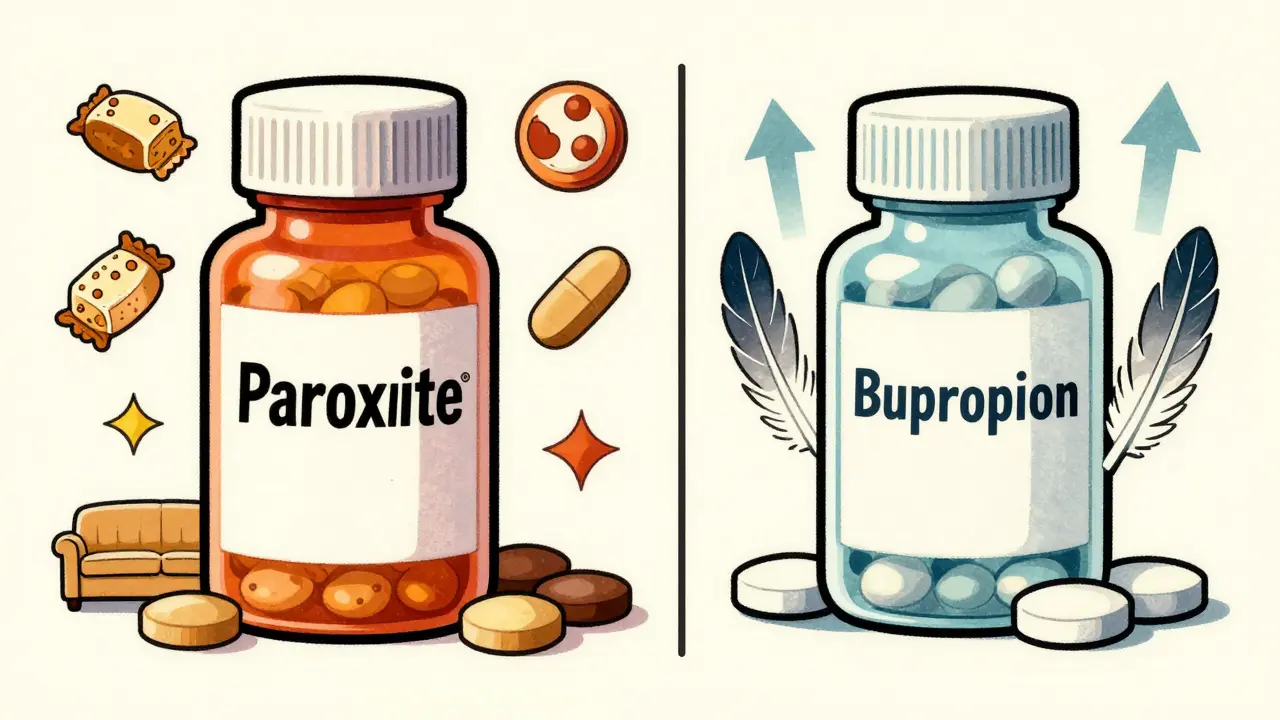
If weight is a major concern for you, knowing your options is empowering. Not all antidepressants affect weight the same way. Here is how paroxetine stacks up against common alternatives:
| Medication | Class | Weight Effect Profile | Risk Level |
|---|---|---|---|
| Paroxetine (Paxil) | SSRI | Significant gain in short and long term | High |
| Mirtazapine (Remeron) | Tetracyclic | Short-term gain, less than TCAs | Moderate-High |
| Amitriptyline | Tricyclic (TCA) | Significant gain | High |
| Sertraline (Zoloft) | SSRI | Minimal to moderate gain | Low-Moderate |
| Fluoxetine (Prozac) | SSRI | Neutral or modest loss | Low |
| Bupropion (Wellbutrin) | NDRI | Weight loss or neutral | Very Low |
| Venlafaxine (Effexor) | SNRI | No significant effect | Low |
As the table shows, Bupropion is often the go-to recommendation for patients worried about weight, as it is associated with weight loss or neutrality. Fluoxetine is another safer bet among SSRIs. If you are currently on paroxetine and struggling with weight, asking your doctor about switching to one of these alternatives is a valid and common clinical move. Many patients report losing 5-10 pounds simply by switching from paroxetine to bupropion or fluoxetine, even without changing their diet or exercise habits.

Practical Strategies to Manage Metabolic Side Effects
Switching medications isn't always possible. Paroxetine is particularly effective for certain types of anxiety disorders and OCD, and some patients find it works better for them than any other option. If you need to stay on paroxetine, there are proactive steps you can take to mitigate weight gain.
1. Monitor Your Metrics Regularly
Don’t wait for your annual physical. Weigh yourself weekly under consistent conditions (e.g., morning, before eating). Track your BMI and waist circumference. The American Diabetes Association recommends monitoring these metrics every three months for patients on psychotropic medications known to cause weight gain. Early detection allows for early intervention.
2. Adjust Your Eating Patterns
Since paroxetine increases carb cravings, fighting them head-on is difficult. Instead, try time-restricted eating. A 2023 study in the Journal of Clinical Psychopharmacology found that limiting food intake to an 8-hour window daily reduced paroxetine-associated weight gain by 62% compared to standard dietary patterns. This approach helps control overall calorie intake without requiring constant willpower throughout the day.
3. Prioritize Protein and Fiber
Fiber slows digestion and keeps you fuller longer, countering the serotonin-driven hunger signals. Incorporate more vegetables, legumes, and whole grains into your meals. Pair these with lean proteins to stabilize blood sugar levels, which can prevent the energy crashes that lead to snacking.
4. Stay Active Despite Fatigue
If paroxetine makes you tired, aim for consistency over intensity. The CDC and Mayo Clinic recommend at least 150 minutes of moderate-intensity activity per week. Break this down into 30-minute walks five days a week. Even gentle movement helps regulate metabolism and counteracts the sedative effects of the medication.
5. Consider Adjunct Medications
In cases where lifestyle changes aren't enough, doctors sometimes prescribe metformin off-label to help manage medication-induced weight gain. A 2014 study showed metformin could reduce weight gain by approximately 2.3 kg (5 pounds) over 24 weeks in patients on psychotropic drugs. Discuss this option with your healthcare provider if you have pre-existing insulin resistance or metabolic syndrome.
When to Talk to Your Doctor
You should not suffer in silence if weight gain is affecting your quality of life or self-esteem. Open communication with your prescriber is key. Bring your weight logs to your appointment. Ask specific questions:
- "Is this amount of weight gain expected for my dosage?"
- "Could we try a lower dose?"
- "Would switching to sertraline or escitalopram be safe for my condition?"
- "Are there genetic tests available to predict my risk of metabolic side effects?"
Remember, the goal of antidepressant treatment is to improve your mental health and overall quality of life. If the physical side effects are undermining that goal, there are almost always alternatives or adjustments that can be made. You deserve a treatment plan that supports both your mind and your body.
How much weight do people typically gain on paroxetine?
Studies show that about 25.5% of paroxetine users experience clinically significant weight gain (≥7% of body weight) within six months. On average, long-term users may gain around 2.5% of their baseline weight, but individual experiences vary widely, with some gaining 10-30 pounds over a year.
Does paroxetine cause weight gain immediately?
Weight gain is usually not immediate. Short-term trials (4-12 weeks) often show minimal change. Significant weight gain typically accumulates over time, becoming more pronounced after 6 months of continuous use.
Can I lose the weight gained from paroxetine?
Yes, many patients lose weight after switching to alternative antidepressants like bupropion or fluoxetine. Others successfully manage weight through strict dietary controls, such as time-restricted eating, and regular exercise while remaining on paroxetine.
Which antidepressant causes the least weight gain?
Bupropion (Wellbutrin) is most commonly associated with weight loss or neutrality. Among SSRIs, fluoxetine (Prozac) and sertraline (Zoloft) generally have a lower risk of weight gain compared to paroxetine.
Why does paroxetine make me crave carbs?
Paroxetine increases serotonin levels, which can alter appetite regulation and increase cravings for carbohydrates and sugars. This is a chemical side effect, not a lack of willpower, and can be managed with dietary strategies focusing on fiber and protein.