
OTC Allergy Relief: How to Choose the Right Antihistamine and Dose
 Apr, 17 2026
To get this right, you need to understand that OTC allergy relief isn't a one-size-fits-all solution. Most over-the-counter options are antihistamines, which are drugs that block histamine-the chemical your immune system releases when it overreacts to pollen, pet dander, or dust. While they all target the same chemical, they do it very differently. Some cross into your brain and make you sleepy, while others stay in your bloodstream and leave your head clear.
The Big Divide: First-Gen vs. Second-Gen Antihistamines
Before you grab a bottle, you have to decide if you can afford to be drowsy. Antihistamines are split into two main generations.
First-generation antihistamines are older medications that cross the blood-brain barrier, leading to significant sedation. A classic example is Diphenhydramine (found in Benadryl). These are fantastic for acute, "emergency" reactions because they kick in within 15 to 30 minutes. However, they only last about 4 to 6 hours. If you take them, expect a heavy fog; research shows about 50% of users experience significant drowsiness.
Second-generation antihistamines are modern formulas designed to be non-sedating and long-acting. These are your daily drivers. Instead of dosing every few hours, you take one pill and you're covered for 24 hours. They don't cross into the brain as easily, which is why you can take them before work or school without feeling like a zombie.
Breaking Down the Top Non-Drowsy Options
When you look at the second-generation options, you'll mostly see three big players. While they all help, they have different "personalities" based on how they bind to your receptors and how they move through your body.
Cetirizine (Zyrtec) is often the heavy hitter. It tends to work faster-sometimes within an hour-and generally provides more potent relief for moderate-to-severe symptoms. The trade-off? It's the most likely of the non-drowsy group to actually make you feel a bit sleepy. If you struggle with insomnia, taking this at night is a pro move.
Loratadine (Claritin) is the gentler option. It is very unlikely to cause drowsiness, but some users find it "weaker." It's a great choice for people who are very sensitive to medication or those taking several other prescriptions, as it typically has fewer drug interactions.
Fexofenadine (Allegra) is widely considered the "purest" non-sedating option because it almost entirely avoids the blood-brain barrier. If you have a high-stakes job where total alertness is required, this is usually the safest bet. One quirk: don't take it with fruit juice. Grapefruit juice, in particular, can slash its effectiveness by about 33%.
| Active Ingredient | Common Brand | Onset Speed | Sedation Risk | Duration |
|---|---|---|---|---|
| Diphenhydramine | Benadryl | Very Fast (15-30m) | High | 4-6 Hours |
| Cetirizine | Zyrtec | Fast (1 hour) | Low/Moderate | 24 Hours |
| Loratadine | Claritin | Moderate (2-3 hours) | Very Low | 24 Hours |
| Fexofenadine | Allegra | Moderate (2-3 hours) | Minimal | 24 Hours |

Dealing with a Stuffy Nose: The "-D" Versions
If your main problem isn't just sneezing but a nose that feels like it's been plugged with concrete, a standard antihistamine won't be enough. Antihistamines stop the leak, but they don't always shrink the swelling in your nasal passages. That's where Pseudoephedrine comes in.
You'll see versions like Zyrtec-D or Claritin-D. These are combination drugs. The antihistamine stops the allergic reaction, and the pseudoephedrine acts as a decongestant to open up your airways. While these are significantly more effective for congestion, they come with a warning: they can raise your blood pressure and heart rate. If you have hypertension, stay far away from the "-D" versions and stick to a plain antihistamine or a saline spray.
Also, be prepared to show your ID at the pharmacy. Because pseudoephedrine can be used illegally to make meth, the law requires stores to keep these behind the counter and log who buys them.
Getting the Dosage Right
More is not better when it comes to allergy meds. In fact, taking extra can actually be counterproductive. For example, if you double your dose of cetirizine, you aren't getting twice the relief, but you are increasing your risk of drowsiness by about 40%.
Here is the standard adult dosing guide for the most common options:
- Cetirizine: 10mg once daily.
- Loratadine: 10mg once daily.
- Fexofenadine: 180mg once daily (or 60mg twice daily).
- Diphenhydramine: 25-50mg every 4-6 hours (do not exceed daily limits on the box).
A common mistake is switching brands every two days because the first pill didn't work immediately. Most second-generation meds need a few days of consistent use to build up a steady level in your system. Give any new medication at least 7 to 10 days before deciding it's a failure.
Common Pitfalls to Avoid
Even these simple pills have traps. First, watch your drinks. As mentioned, grapefruit juice ruins fexofenadine. Similarly, taking cetirizine with a heavy meal can slow down its absorption by about 15%. For the best results, take your dose on an empty stomach with a glass of water.
Second, don't confuse "non-drowsy" with "zero-drowsy." While loratadine and fexofenadine are very clean, cetirizine can still make some people feel tired. If you're starting a new medication, try it on a weekend first so you aren't surprised by a sudden wave of fatigue while driving or working.
Lastly, be wary of the "rebound effect" if you combine these with nasal decongestant sprays (like oxymetazoline). While the oral pill is safe for long-term use, using a decongestant spray for more than three days can actually make your congestion worse when you stop.
Which antihistamine is the fastest acting?
For immediate relief of a sudden reaction, diphenhydramine (Benadryl) is the fastest, working in 15-30 minutes. Among the non-drowsy, 24-hour options, cetirizine (Zyrtec) typically works faster than loratadine or fexofenadine, often providing relief within an hour.
Can I take allergy meds every day?
Yes, second-generation antihistamines like Claritin, Zyrtec, and Allegra are designed for daily use throughout the allergy season. However, first-generation meds like Benadryl are intended for short-term or occasional use because of their sedative effects and potential for tolerance.
Why does my pharmacist ask for my ID for "D" versions?
Combination medications ending in "-D" contain pseudoephedrine. Due to the Combat Methamphetamine Epidemic Act, pharmacies must track the sale of this ingredient to prevent it from being used to manufacture illegal substances.
Will these medications cure my allergies?
No, antihistamines manage symptoms-they don't cure the allergy. They block the effects of histamine but don't stop your body from reacting to the allergen. For a long-term cure, you would need to see an allergist for immunotherapy (allergy shots).
What should I do if none of these OTC options work?
Current medical guidelines suggest trying at least two different second-generation antihistamines before giving up on OTC options. If you still have symptoms after 10 days of consistent use, it's time to see a doctor for prescription-strength options or nasal corticosteroids.
Next Steps for Better Relief
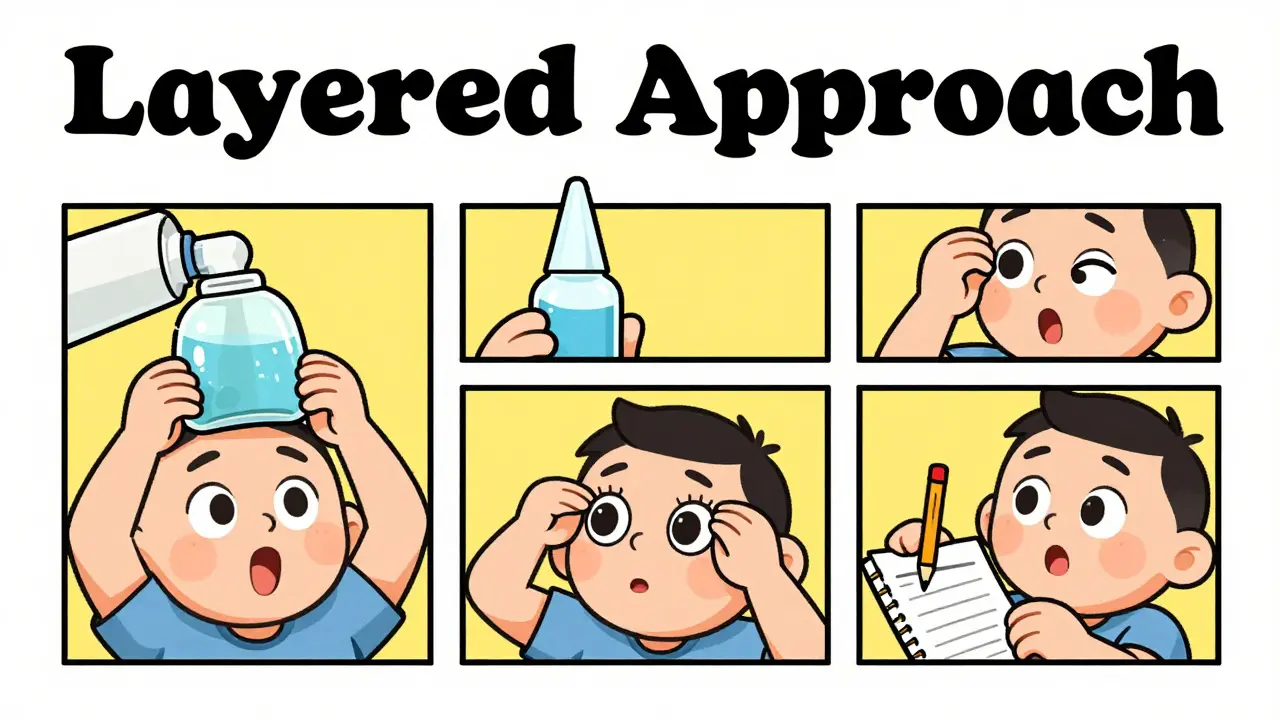
If you're still struggling, try a "layered" approach. Instead of just taking a pill, add a saline nasal rinse in the morning to physically wash the pollen out of your nostrils. This reduces the amount of allergen your antihistamine has to fight. If your eyes are the main problem, consider adding antihistamine eye drops, as oral pills don't always reach the ocular tissues effectively.
For those with chronic, year-round allergies, keep a simple log of which medication you took and how you felt. Because everyone's body chemistry is different, the drug that works for your neighbor might do nothing for you. A two-week trial-and-error period is the most reliable way to find your perfect match.
Lynn Smith
April 19, 2026 AT 08:40I've actually found that taking the Zyrtec at night really does make a huge difference for me. I used to wake up feeling like a zombie if I took it in the morning, but shifting the dose to bedtime totally fixed that!
Valorie Darling
April 19, 2026 AT 18:03honestly just buy the generic brand... why pay more for a name when the active ingredient is literally the same thing lol
julya tassi
April 20, 2026 AT 20:28I didn't know about the grapefruit juice thing with Allegra! That is so interesting. I wonder if other juices do the same thing? 😮
Don Drapper
April 20, 2026 AT 23:49It is utterly catastrophic that the average consumer is left to navigate this chemical minefield with such rudimentary guidance. The sheer negligence of the pharmaceutical industry in not providing clear, standardized efficacy data is a tragedy of the highest order!
Quinton Bangerter
April 22, 2026 AT 04:46Funny how they keep the "-D" versions behind the counter for "meth" reasons, but they'll sell you the high-blood-pressure-inducing stuff without a second thought. It's all a control tactic to keep us dependent on the system. Also, have you noticed how the pollen seasons are getting weirder? It's not just nature, it's planned. They want us bogged down by antihistamine brain fog so we don't notice what's actually happening in the atmosphere. Just keep taking your pills and staying sleepy, folks!
dallia alaba
April 22, 2026 AT 09:02Adding the saline rinse is such a game changer. I always tell people that removing the physical particles first makes the medication work so much better. If you're struggling with the 'concrete nose' feeling, a Neti pot is a great addition, just make sure you're using distilled or boiled water to avoid any nasty infections. It's all about that layered approach to management.
Tanya Rogers
April 24, 2026 AT 03:10The notion that one should simply "try and error" their way through systemic inflammation is quaint, if slightly barbaric. One would think that a basic understanding of one's own histamine response would preclude such an imprecise methodology.
Cynthia Didion
April 25, 2026 AT 16:17Just get the Zyrtec. Works best. Period.
Venkatesh Venky
April 25, 2026 AT 23:33I totally agree with the layered approach! Using a nasal rinse is like a pre-processing step before the pharmacological intervention kicks in. It's all about maximizing the bioavailability of the drug by reducing the allergen load. Let's all stay positive and breathe easy!
Lesley Wimbush
April 26, 2026 AT 05:47I only use the most expensive brand-name options because I simply cannot abide by the thought of generic fillers in my system. It's truly a tragedy that some people settle for less than the gold standard of pharmacy.
aman motamedi
April 27, 2026 AT 02:00I find the information regarding the blood-brain barrier to be quite illuminating. It is prudent to exercise caution when selecting a medication that may impact one's cognitive alertness.
caesar simpkins
April 28, 2026 AT 22:19Man, the struggle with the -D versions is real. The way the pharmacist looks at you when you ask for it makes you feel like you're buying illegal fireworks in the 90s. Absolute madness!
William Young
April 29, 2026 AT 20:29It's important to remember that everyone's body reacts differently, so be patient with yourself while finding what works.
Ms. Sara
May 1, 2026 AT 09:24I strongly disagree with the idea of just waiting 10 days if you're miserable. If your eyes are swollen shut, you shouldn't just "wait and see." Get to a doctor or try a nasal steroid immediately. We need to be proactive about our health, not just passive observers of our own allergies.