
Oral vs Injection vs Topical: How Route of Administration Affects Side Effects
 Aug, 21 2026
Route of Administration Side Effect Estimator
Oral
Pills, Capsules, LiquidsInjectable
IV, IM, SubcutaneousTopical
Creams, Ointments, PatchesOral Medications
Convenient and cheap, but subject to first-pass metabolism.
Quick Comparison Matrix
| Feature | Oral | Injectable | Topical |
|---|---|---|---|
| Bioavailability | Variable (5-100%) |
High (70-100%) |
Low/Var (Local) |
| Onset | 30-90 min | 2-90 min | Mins-Hrs |
| Cost | Low | High | Mod-Low |
| Main Side Effects | GI Distress, Nausea |
Site Pain, Infection |
Local Irritation |
| Patient Preference | High (92%) | Lower | High (Skin) |
Ever wonder why your doctor prescribed a pill for one issue but an injection for another? It’s not just about preference. The way a drug enters your body-the route of administration is the path by which a medicine reaches the bloodstream and target tissues-dramatically changes how it works and what side effects you might experience. Whether you’re taking a tablet, getting a shot, or applying a cream, each method has a distinct fingerprint on your health.
Understanding these differences helps you make informed decisions with your healthcare provider. For instance, an oral painkiller might upset your stomach, while an injection could cause a bruise at the site. Topical creams often have fewer systemic issues but require careful application. This guide breaks down the pharmacokinetics, risks, and practical realities of oral, injectable, and topical routes so you know exactly what to expect.
How Oral Medications Work and Their Risks
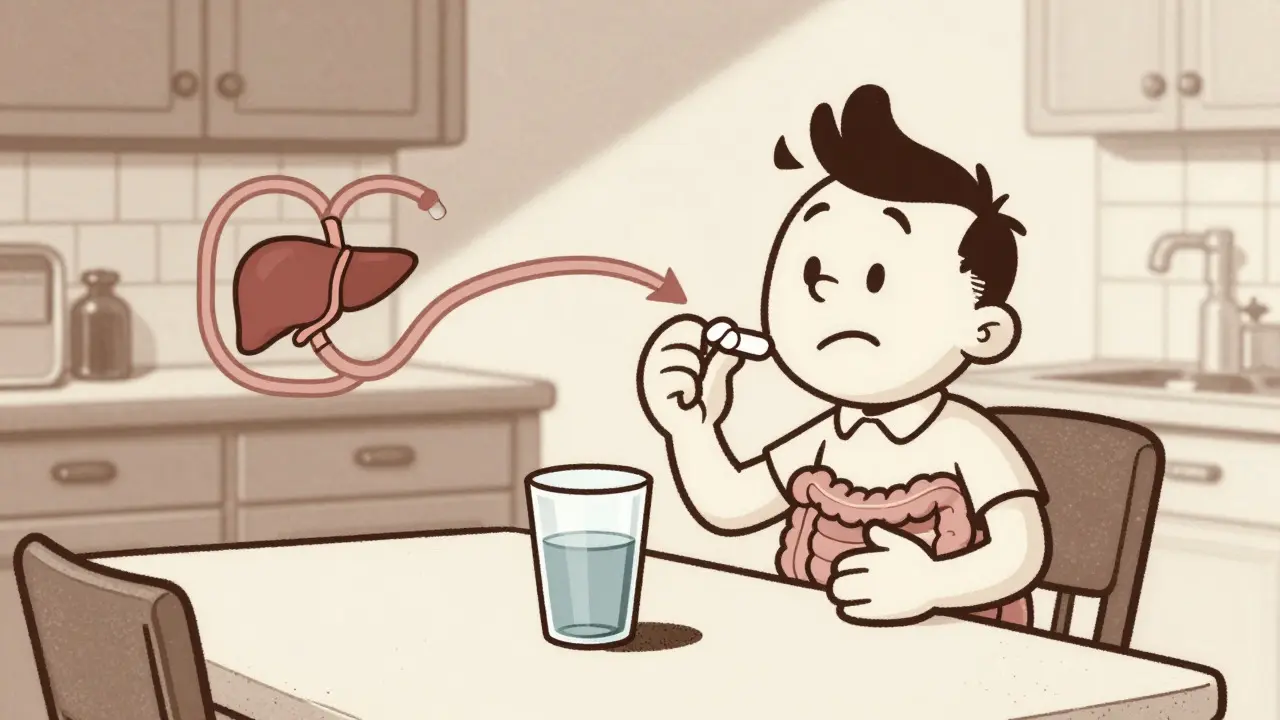
The oral route is the most common method of drug delivery, involving ingestion through the mouth and absorption via the gastrointestinal tract. Historically the oldest method, it remains dominant because it’s convenient, cheap, and easy to use. According to the Merck Manual (2023), about 75% of all medications are taken orally. You swallow a pill, it dissolves in your gut, and the active ingredients enter your bloodstream.
However, this journey isn’t straightforward. Before the drug reaches its target, it passes through the liver, a process known as first-pass metabolism. This can significantly reduce the amount of active drug available. For example, propranolol, a common beta-blocker, has only about 25% oral bioavailability because the liver metabolizes much of it before it circulates. Penicillin V suffers similarly, with only 15-30% bioavailability due to acid degradation in the stomach.
Side effect profile: Because oral drugs interact with the digestive system, gastrointestinal issues are common. NSAIDs like ibuprofen cause gastric ulcers in 1-2% of long-term users. Nausea and dizziness are also frequent complaints. Drug-food interactions affect up to 40% of commonly prescribed oral medications, meaning eating certain foods can either boost or block the drug’s effectiveness. If you’re prone to stomach issues, this route requires extra caution.
Injectable Routes: Speed and Precision Come at a Cost
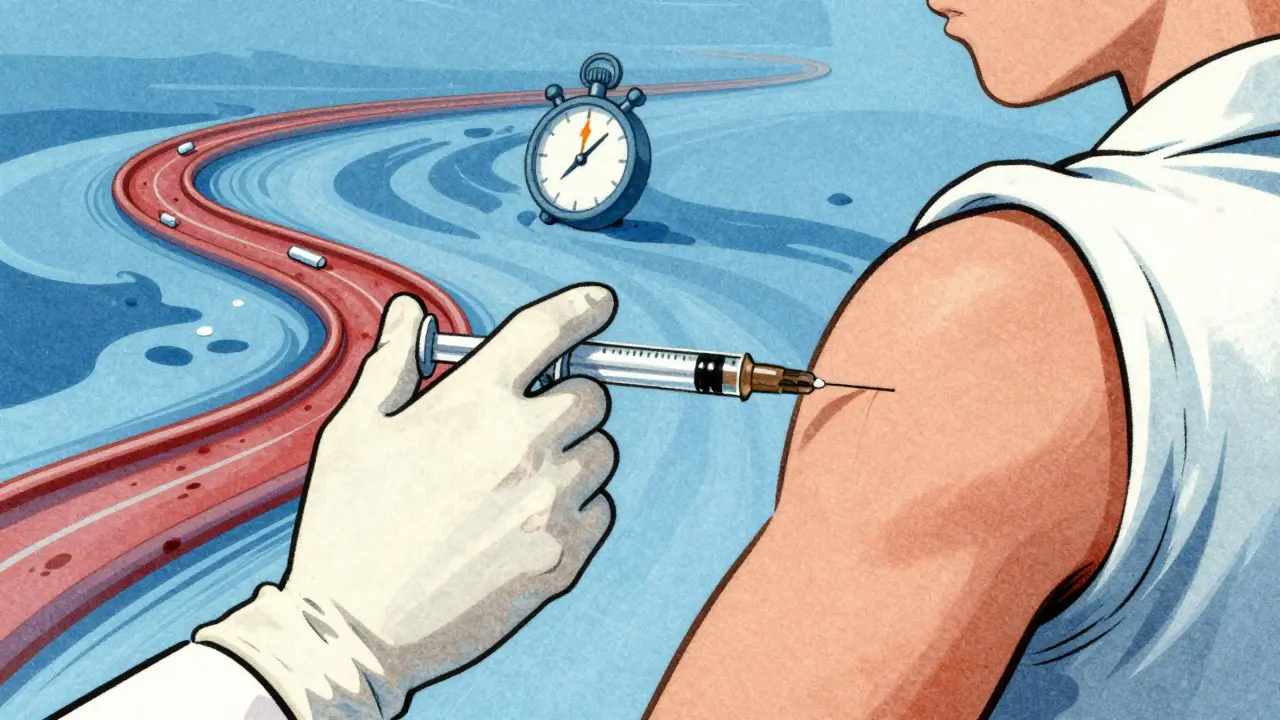
Injectable administration is the delivery of drugs directly into tissue compartments or the bloodstream via needles, bypassing the digestive system entirely. This method emerged with Alexander Wood’s invention of the hypodermic syringe in 1853. Today, injections are critical for rapid therapeutic effects or when GI absorption is compromised, such as in critically ill patients.
There are different types of injections, each with its own speed and bioavailability:
- Intravenous (IV): Delivers drug directly into the vein. Achieves 100% bioavailability immediately, with peak concentration in 2-5 minutes.
- Intramuscular (IM): Injected into muscle. Reaches peak plasma concentrations in 45-60 minutes with 70-90% bioavailability.
- Subcutaneous (SC): Injected under the skin. Peaks in 60-90 minutes with 75-85% bioavailability.
Side effect profile: Since injections skip the liver’s first-pass metabolism, they offer precise dosing and faster action. However, they carry unique risks. Injection site reactions occur in 15-20% of IM injections, including pain, redness, and swelling. Infection at the site happens in 1-5% of cases. There’s also a small risk of anaphylaxis (severe allergic reaction) in 0.01-0.05% of administrations. Needle phobia affects 20-25% of the population, which can lead to non-adherence. Plus, injectables are more expensive; biologics average $2,500-$5,000 per dose compared to $25-$100 for oral equivalents.
Topical Treatments: Localized Action with Minimal Systemic Impact
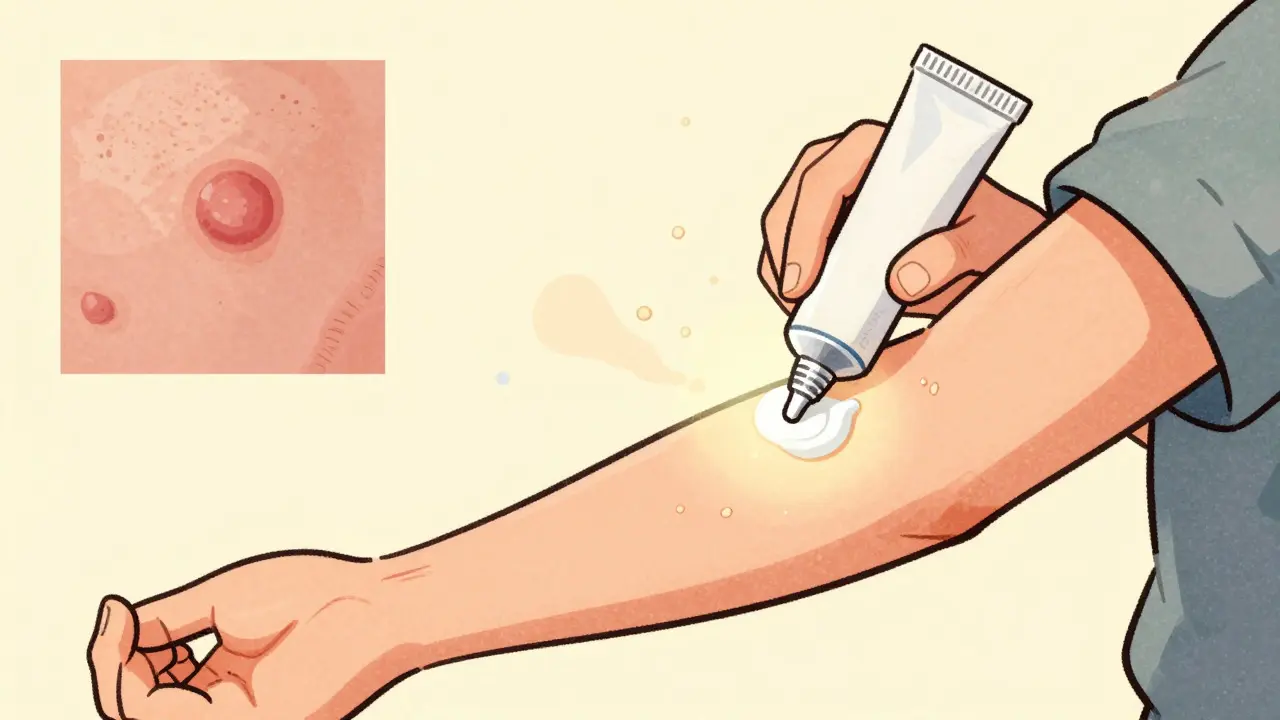
Topical administration is the application of medications directly to body surfaces, such as skin or mucous membranes, for localized or systemic effects. With origins dating back to ancient Egyptian ointments, this route is ideal for treating conditions where the problem is local, like eczema or muscle pain. It’s important to distinguish between true topical (local effect) and transdermal (systemic effect via patches).
Topical formulations typically contain low concentrations of active ingredients (0.01% to 1%) to ensure they stay in the area of application. Transdermal systems, like nicotine patches, contain higher concentrations (1-10%) designed to deliver the drug into the bloodstream over time. Nicotine patches, for instance, deliver 50-70 mcg/hour with 60-80% bioavailability.
Side effect profile: This route offers the most favorable side effect profile for many conditions. Because the drug stays mostly local, systemic side effects are rare-less than 5% of cases when properly formulated. A 2022 study showed an 87% reduction in systemic side effects compared to oral administration of equivalent medications. However, local irritation, redness, or itching at the application site is common. Skin condition matters too; psoriasis-affected skin absorbs 3-5 times more medication than healthy skin, which can alter efficacy and increase the risk of local reactions.
Comparing the Three Routes: A Practical Breakdown
Choosing the right route depends on the drug, the condition, and your personal circumstances. Here’s a quick comparison to help you understand the trade-offs:
| Feature | Oral | Injectable | Topical |
|---|---|---|---|
| Bioavailability | Variable (5-100%) | High (70-100%) | Low for local, variable for transdermal |
| Onset of Action | 30-90 minutes | 2-90 minutes (depending on type) | Minutes to hours |
| Common Side Effects | Nausea, GI distress, ulcers | Injection site pain, infection, bruising | Local irritation, itching |
| Cost | Low ($25-$100/dose) | High ($2,500-$5,000/dose for biologics) | Moderate to Low |
| Patient Preference | High (92% prefer over injections) | Lower (due to needle phobia/cost) | High for skin conditions |
Oral meds win on convenience and cost. Injectables win on speed and precision. Topicals win on minimizing systemic side effects. Your doctor will choose based on what’s safest and most effective for your specific situation.
Practical Tips for Managing Side Effects
No matter which route you’re using, proper technique reduces risks. Here’s how to get the most out of your medication:
- For Oral Meds: Take them with food if directed, to reduce stomach upset. Avoid alcohol unless approved. Check for drug-food interactions in your leaflet.
- For Injections: Rotate injection sites to prevent lipohypertrophy (lump formation). Use sterile technique. Dispose of needles properly in sharps containers.
- For Topicals: Apply the correct amount. Dermatologists recommend the "fingertip unit" rule: one fingertip unit (about 0.5g) covers two adult palms. Applying too little reduces efficacy by 35-40%. Wash hands after application unless treating hands.
Adherence is key. Complex oral regimens can lead to 50% non-adherence within six months. Simplifying routines or using reminders can help. For injectables, training is crucial; 30-40% of patients need supervised sessions to master subcutaneous injections correctly.
Frequently Asked Questions
Which route has the fewest side effects?
Topical treatments generally have the fewest systemic side effects because the drug stays local. However, they can cause local irritation. Oral meds have more GI-related side effects, while injectables have site-specific risks.
Why are some drugs only available as injections?
Some drugs are large molecules (like biologics) that would be broken down in the stomach if taken orally. Others are unstable in acidic environments. Injections bypass the digestive system, ensuring the drug reaches the bloodstream intact.
Can topical creams treat whole-body conditions?
Usually no. True topicals are for local effects. Transdermal patches can treat systemic conditions (like nicotine withdrawal or hormone replacement) by delivering the drug through the skin into the bloodstream.
Is it safer to switch from oral to topical if I have stomach issues?
Often yes, especially for anti-inflammatories. Topical NSAIDs have similar pain relief efficacy to oral versions but with significantly lower rates of gastric ulcers and nausea. Always consult your doctor before switching.
How does food affect oral medication absorption?
Food can slow down or speed up absorption. Some drugs need fat to be absorbed (take with meals), while others should be taken on an empty stomach to avoid reduced effectiveness. Always follow the instructions on your label.