
Opioids and Depression: Understanding the Bidirectional Link
 Sep, 4 2026
Opioid & Depression Risk Estimator
Understand how different opioid medications and usage habits may impact your mood. This tool estimates risk based on current medical literature regarding the bidirectional link between pain relief and depression.
Your Estimated Mood Impact Profile
Why this matters?
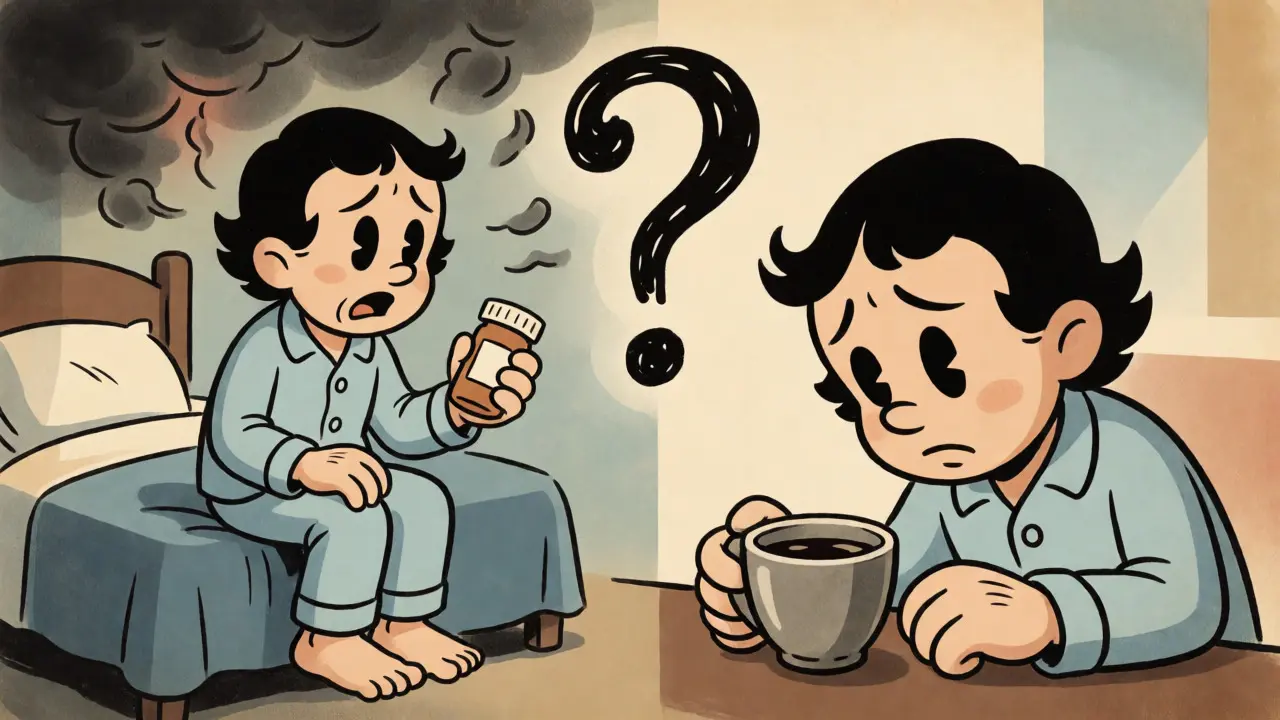
You take a pill for back pain. Weeks later, you notice you’re not enjoying your favorite coffee anymore. Or maybe you started feeling low before you even touched the bottle. It’s confusing, right? You’re here because you suspect opioids might be messing with your head, or perhaps your depression is making your pain harder to ignore. The truth is, these two conditions are tangled together in a messy, bidirectional relationship that doctors are still trying to untangle. It’s not just "pain causes sadness" or "drugs cause sadness." It’s biological, psychological, and sometimes, it’s a vicious cycle where one feeds the other.
The Chicken-or-Egg Problem: Which Comes First?
For years, researchers struggled to figure out if opioids cause depression or if depressed people are just more likely to end up on opioids. A groundbreaking study published in JAMA Psychiatry in 2020 used genetics to cut through the noise. By using Mendelian randomization-a method that looks at genetic predispositions rather than just lifestyle choices-researchers found strong evidence that prescription opioid use actually increases the risk of major depressive disorder (MDD). This wasn’t just correlation; it suggested causation. If you have a genetic liability for using opioids, you’re statistically more likely to develop depression.
But wait, there’s a twist. Other research shows the reverse is also true. People with existing depression are twice as likely to transition from short-term opioid prescriptions to long-term use. Why? Because depression amplifies pain perception. When you’re depressed, your brain processes pain signals differently, often intensifying them. So, you ask for stronger meds, which can further dysregulate your mood system. It’s a feedback loop. In fact, between 30% and 54% of people with chronic pain also suffer from MDD. That’s a massive overlap that general practitioners often miss, detecting only about half of depression cases in this population.
How Opioids Hack Your Brain Chemistry
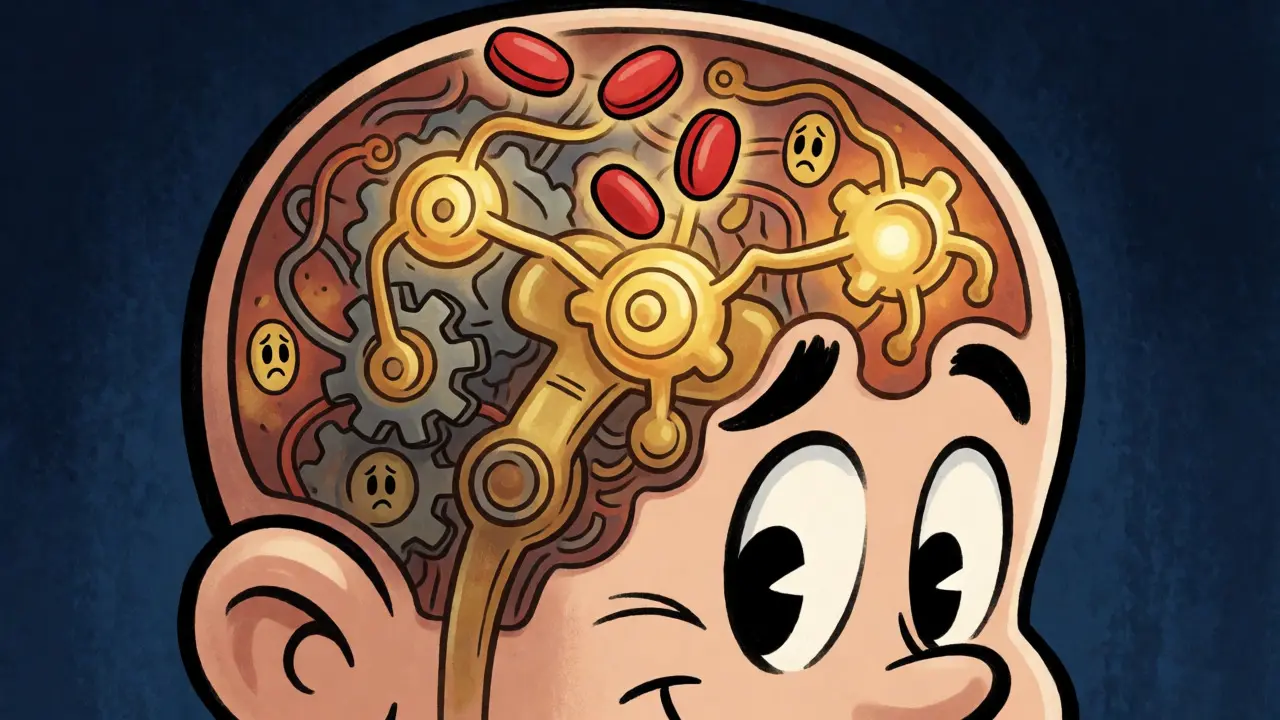
To understand why this happens, you need to look at the endogenous opioid system. This is your body’s natural painkiller network, involving receptors like the µ-opioid receptor. These receptors don’t just block pain; they regulate reward, pleasure, and mood. In the short term, activating these receptors can feel great. Preclinical studies show that opioids like morphine and tramadol can reduce immobility in stress tests by 35-60%, essentially acting as antidepressants in the moment. This is why many patients report an initial "lift" in mood when starting therapy.
However, chronic exposure changes the game. Long-term use leads to neuroadaptive changes. Your brain tries to balance itself out by downregulating its own natural opioid production and altering dopamine pathways. This is called homeostasis gone wrong. Instead of boosting your mood, the constant external supply suppresses your internal ability to feel joy-a condition known as anhedonia. Research indicates that weekly or daily nonmedical opioid use nearly doubles the odds of developing depressive disorders compared to occasional use. The dose matters, too. Taking more than 50 mg of morphine equivalent daily dose (MED) is associated with a significantly higher risk of depression symptoms compared to no use.
Why Monitoring Is Often Missed
If the risks are this high, why isn’t everyone being screened? Ideally, every patient starting opioids should get a baseline mood assessment. The CDC guidelines explicitly tell clinicians to evaluate risk factors, including depression. Yet, reality lags behind. A 2019 survey found that only 58% of primary care providers routinely screen for depression in chronic pain patients. Even worse, only 39% consistently assess depression before prescribing opioids. This gap leaves millions of patients vulnerable to undiagnosed mood deterioration.
Standard screening tools like the Patient Health Questionnaire-9 (PHQ-9) are effective, but they require consistent administration. Dr. Roger Weiss, a lead researcher on opioid treatment trials, recommends monthly screening during the first six months of therapy, then quarterly thereafter. This frequency catches early signs of emotional numbing or loss of interest that might precede a full-blown depressive episode. Without this proactive approach, patients often present to their doctor only after their quality of life has plummeted, blaming the pain when the real culprit might be the medication-induced mood shift.
Buprenorphine: The Outlier with Promise
Not all opioids behave the same way. Buprenorphine, commonly used for opioid use disorder, presents a fascinating exception. Unlike full agonists like oxycodone, buprenorphine is a partial agonist. Studies suggest it may actually help treat depression. In trials for opioid use disorder, patients on buprenorphine maintenance showed significant improvements in depressive symptoms over three months. Average scores on depression inventories dropped from severe levels to mild ones.
Emerging research supports using low-dose buprenorphine (1-2 mg/day) for treatment-resistant depression, with response rates hitting 47% within four weeks. However, it’s crucial to note that the FDA hasn’t approved buprenorphine specifically for depression. Its use remains off-label for this purpose, creating regulatory hurdles. But for patients struggling with both chronic pain and depression, discussing buprenorphine with a specialist could offer a dual-benefit solution that standard opioids don’t provide.
| Opioid Type | Mood Effect (Short Term) | Mood Effect (Long Term) | Depression Risk Profile |
|---|---|---|---|
| Full Agonists (e.g., Oxycodone, Morphine) | Potential mood lift via pain relief | Anhedonia, emotional blunting | High risk with chronic use (>3 months) |
| Partial Agonists (e.g., Buprenorphine) | Stabilizing effect | Potential antidepressant benefits | Lower risk; may improve symptoms |
| Atypical Opioids (e.g., Tramadol) | Serotonin reuptake inhibition | Risk of serotonin syndrome/mood swings | Moderate; complex interaction |
Breaking the Cycle: Integrated Treatment Strategies
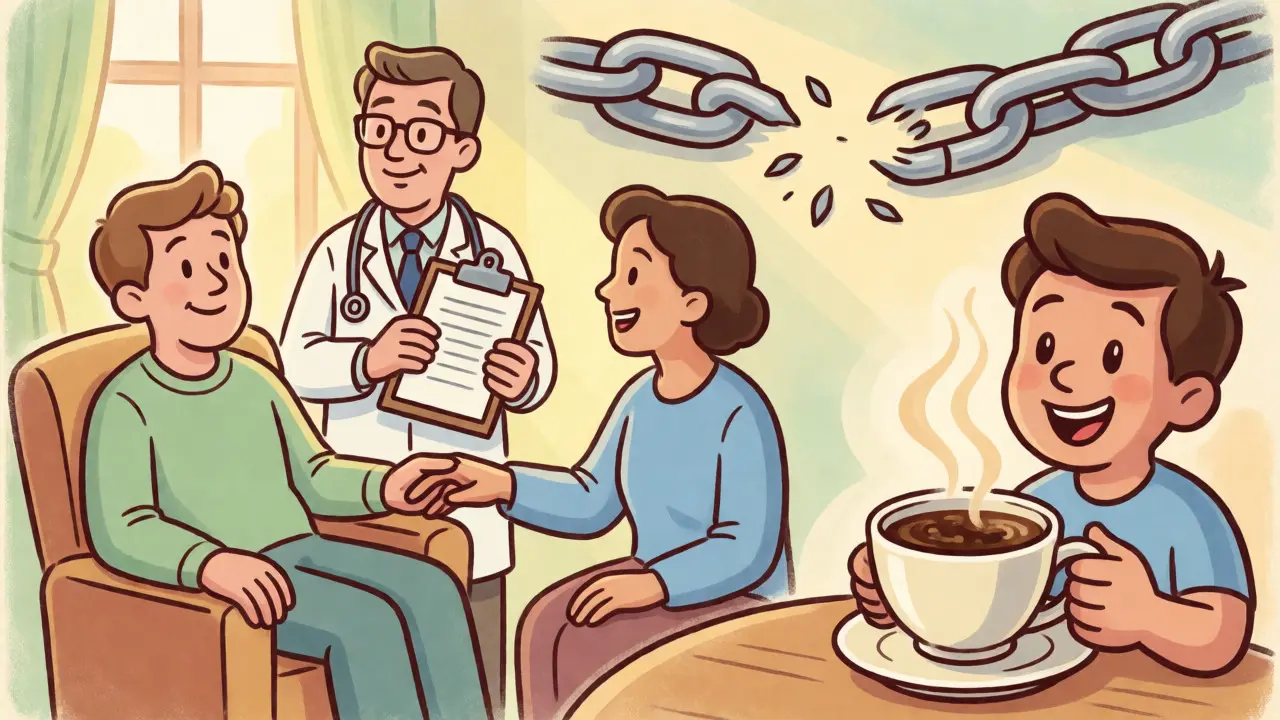
You don’t have to choose between treating pain and saving your sanity. The best outcomes come from integrated care. Treating depression aggressively can actually lower your opioid needs. One trial showed a 32% reduction in average morphine equivalent daily dose when cognitive behavioral therapy (CBT) was combined with pain management. When you address the mental component, the physical pain becomes more manageable, allowing for safer tapering of medications.
If you’re currently on opioids and noticing mood changes, talk to your prescriber. Ask for a PHQ-9 screening. Discuss whether your current regimen is contributing to emotional numbness. For some, switching to non-opioid therapies or exploring buprenorphine might break the cycle. Remember, pain is real, but so is the chemical impact of the drugs you take. Awareness is the first step toward reclaiming your mood.
Do all opioids cause depression?
No, not all opioids affect mood the same way. Full agonists like oxycodone carry a higher risk of long-term mood suppression due to neuroadaptation. Partial agonists like buprenorphine may actually improve depressive symptoms in some patients. Individual biology plays a huge role, so responses vary widely.
How quickly do mood changes happen with opioids?
Changes can start within weeks. Some patients experience immediate euphoria followed by a crash. Others develop subtle anhedonia over months. Research suggests that significant depression symptoms can emerge or worsen within three months of initiating long-term therapy, which is why monthly monitoring is recommended initially.
Can treating depression reduce my need for opioids?
Yes. Studies indicate that effective treatment of depression, particularly with therapies like CBT, can lead to reduced opioid consumption. Since depression amplifies pain perception, alleviating the mental distress often lowers the subjective intensity of pain, allowing for safer dose reductions.
What is the safest way to monitor mood while on opioids?
Regular use of validated tools like the PHQ-9 is key. Keep a simple journal noting energy levels, interest in activities, and sleep patterns. Report any persistent drop in mood to your doctor immediately. Don't wait for a crisis; early detection allows for quicker adjustments to your treatment plan.
Is buprenorphine safe for people without addiction issues?
Buprenorphine is prescribed for chronic pain in many countries, though less commonly than in the US for non-addiction pain. It has a ceiling effect on respiratory depression, making it safer in overdose scenarios. However, it requires careful titration and monitoring for interactions with other medications.