
Monoclonal Antibody Biosimilars: Examples and Clinical Uses
 Mar, 2 2026
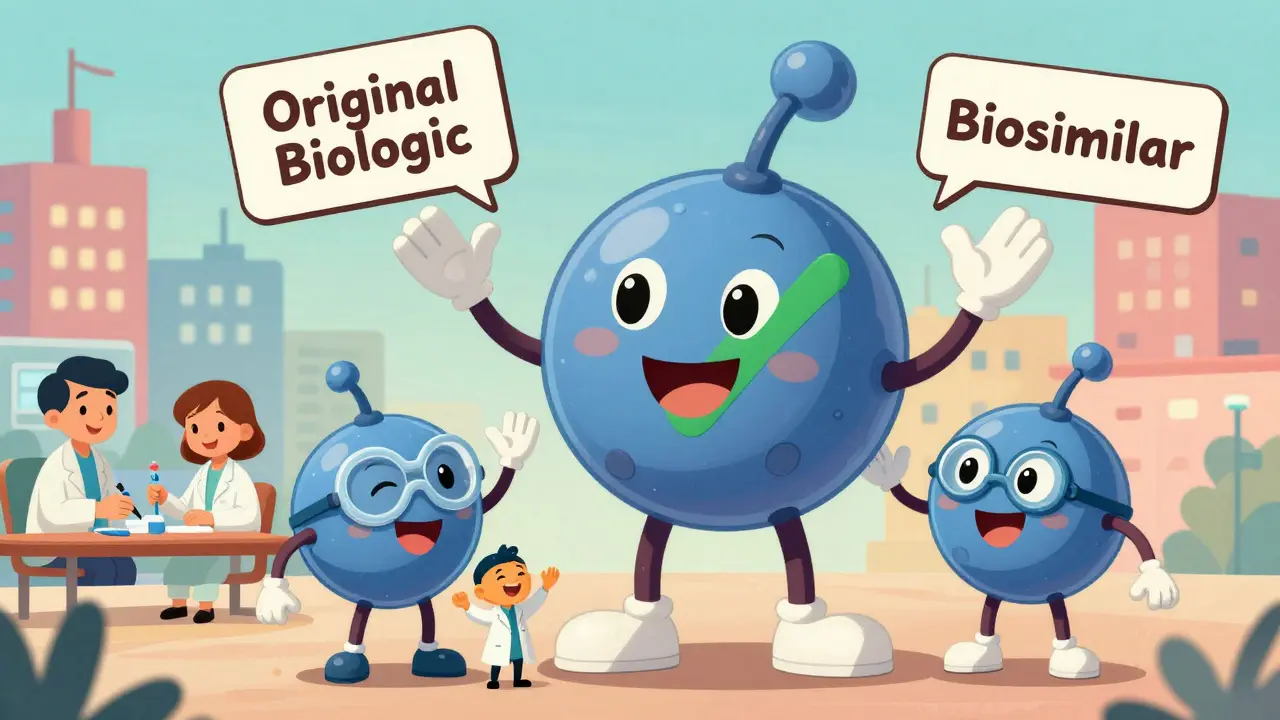
Monoclonal antibody biosimilars are not generics. They’re not cheaper copies made in a lab with the same chemical formula. They’re complex biological medicines-large proteins built by living cells-that match an original biologic drug so closely that doctors can use them with the same confidence. The difference matters. A small molecule like aspirin has about 20 atoms. A monoclonal antibody? Around 20,000. That complexity means you can’t just reverse-engineer it. You have to rebuild it, cell by cell, with the same precision as the original. And when done right, the results are just as effective-but far more affordable.
What Makes a Biosimilar Different From a Generic?
Generics are exact copies of chemical drugs. If you take a generic ibuprofen, the active ingredient is identical to the brand-name version. Biosimilars? They’re highly similar, but not identical. Why? Because they’re made by living cells-usually Chinese hamster ovary cells or yeast cultures-that naturally create tiny variations in the final protein. Think of it like baking two loaves of sourdough from the same recipe. They’ll taste nearly the same, but one might have a slightly thicker crust or a different air pocket structure. That’s normal. The FDA and EMA require proof that these differences don’t affect safety, effectiveness, or how the body responds.
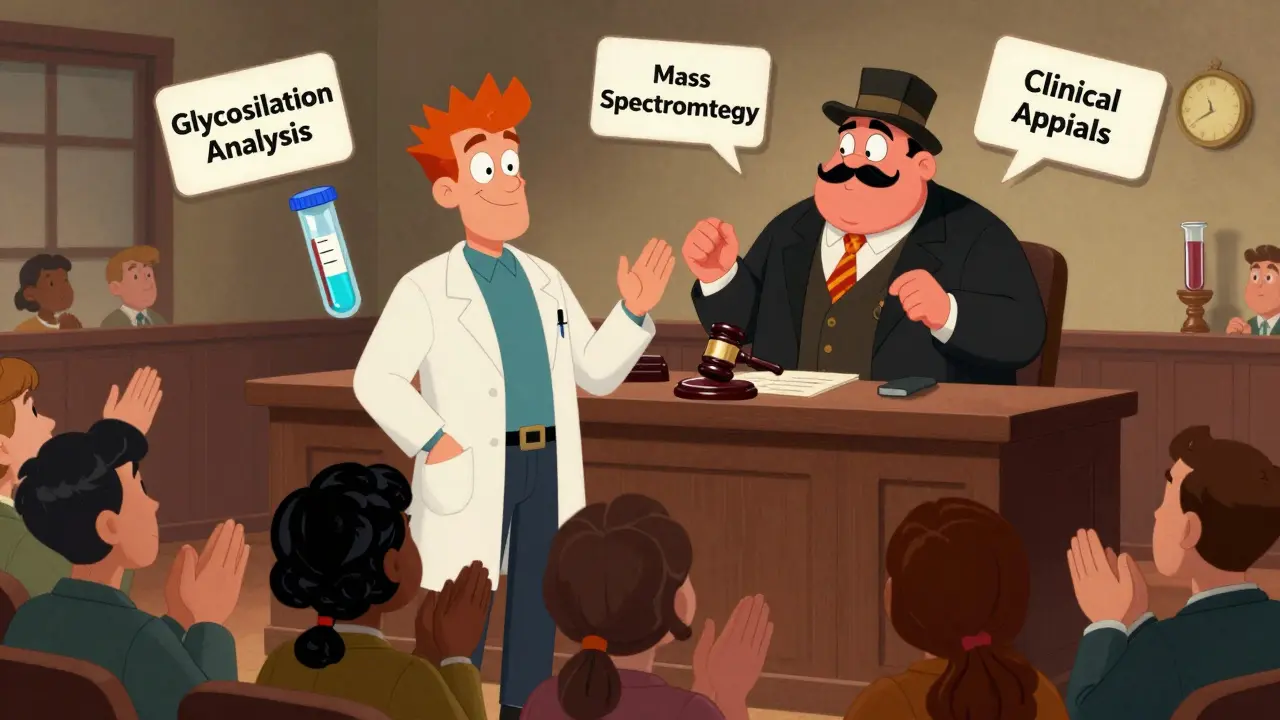
For monoclonal antibodies, that means checking for things like glycosylation patterns-sugar chains attached to the protein that can influence how it works in the body. One study found that certain glycosylation differences in cetuximab were linked to rare allergic reactions. That’s why regulators demand dozens of analytical tests before approval. The goal isn’t perfection. It’s no clinically meaningful differences.
Approved Monoclonal Antibody Biosimilars and What They Treat
Since 2013, over 20 monoclonal antibody biosimilars have been approved in the U.S. and Europe. Here are the most commonly used ones and their reference products:
- Bevacizumab biosimilars (reference: Avastin): Used for colorectal, lung, ovarian, and brain cancers. Six approved in the U.S. as of 2023, including Mvasi, Zirabev, and Vegzelma.
- Rituximab biosimilars (reference: Rituxan): Treats non-Hodgkin’s lymphoma, chronic lymphocytic leukemia, and rheumatoid arthritis. Truxima, Ruxience, and Riabni are the three approved in the U.S.
- Trastuzumab biosimilars (reference: Herceptin): Targets HER2-positive breast and stomach cancers. Six approved, including Ogivri, Herzuma, and Kanjinti.
- Infliximab biosimilars (reference: Remicade): Used for Crohn’s disease, ulcerative colitis, rheumatoid arthritis, and psoriasis. Remsima became the first interchangeable biosimilar in the U.S. in July 2023.
- Adalimumab biosimilars (reference: Humira): The most prescribed biologic in history. Over a dozen biosimilars approved or in review, including Hyrimoz (approved Sept 2023).
These aren’t experimental. They’re used daily in hospitals and clinics across the U.S. and Europe. A 2022 study in JAMA Oncology tracked over 1,200 patients switching from Rituxan to Truxima. No drop in effectiveness. No rise in side effects. Just a 28% drop in cost per treatment cycle.
How Biosimilars Save Money Without Sacrificing Care
Biologics are expensive because they’re hard to make. A single dose of Herceptin or Humira can cost $5,000-$10,000. Biosimilars cut that price by 30-70%. In 2023, the U.S. healthcare system saved an estimated $12 billion on biologics alone thanks to biosimilars. By 2028, that number could hit $250 billion, according to Evaluate Pharma.
The biggest savings are coming from cancer drugs. Bevacizumab, trastuzumab, and rituximab biosimilars are expected to account for 78% of all projected savings over the next five years. That’s not just a number-it means more patients get treatment. More people stay on therapy. More families avoid medical debt.
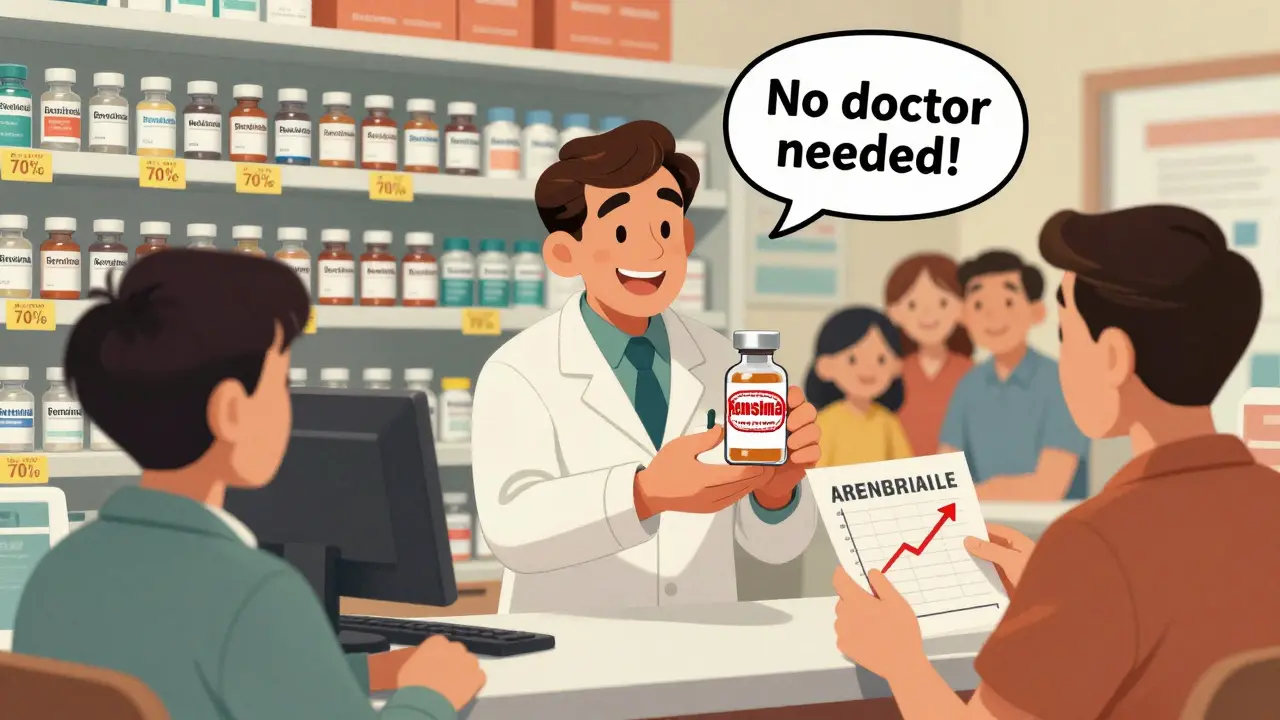
Some biosimilars are even designated as “interchangeable.” That means a pharmacist can swap them for the original without needing a doctor’s approval-just like generics. Remsima (infliximab) was the first monoclonal antibody to get this status in the U.S. in 2023. More are expected soon.
Why Adoption Is Still Slowing Down
Despite the savings and proven safety, adoption isn’t as fast as it should be. Why?
- Patent battles: Drugmakers file dozens of lawsuits to delay biosimilar entry. One 2023 study found an average of 14.7 patent challenges per monoclonal antibody biosimilar.
- Provider hesitation: A 2022 ASCO survey showed only 58% of oncologists felt “very confident” prescribing biosimilars. Many still think they’re “less effective.” They’re not.
- Pharmacy restrictions: Insurance companies sometimes block biosimilars from formularies, or make patients jump through hoops to get them.
Education helps. When clinics train staff and patients on the science behind biosimilars, usage spikes. One hospital in Ohio saw biosimilar use jump from 12% to 85% in 18 months after launching a simple educational campaign.
The Future: What’s Coming Next
The pipeline is full. As of late 2023, the FDA had 37 monoclonal antibody biosimilars in review. The biggest focus? Pembrolizumab (Keytruda) biosimilars. Keytruda alone generated over $20 billion in sales in 2023. Once biosimilars hit the market, prices could drop by 80%.
Regulators are also preparing for the next wave: bispecific antibodies and antibody-drug conjugates. These are even more complex than current biosimilars. The EMA plans to release new guidelines in mid-2024 to guide their approval. That means the science is evolving-and so are the tools. The FDA now recommends over 120 analytical tests to compare biosimilars to originals. Mass spectrometry, glycan mapping, and 3D protein modeling are now standard.
What Patients Should Know
If you’re on a biologic like Herceptin, Rituxan, or Humira, ask your doctor: Is a biosimilar an option for me? The answer is almost always yes. And if you’re worried about switching, remember: tens of thousands of patients have done it already-with no increase in side effects, no loss of benefit.
Don’t assume biosimilars are second-rate. They’re not. They’re the result of years of research, hundreds of tests, and billions in investment. They’re regulated just as strictly as the originals. And they’re changing the future of cancer care, autoimmune disease treatment, and global access to medicine.
Are monoclonal antibody biosimilars safe?
Yes. Regulatory agencies like the FDA and EMA require extensive testing to prove biosimilars have no clinically meaningful differences in safety, purity, or effectiveness compared to the original. Over 1.2 million patient-years of exposure to monoclonal antibody biosimilars have shown immunogenicity rates identical to reference products-around 0.001%. Real-world data from hospitals across the U.S. and Europe confirm these findings.
Can biosimilars be substituted for the original without a doctor’s approval?
Only if the biosimilar is designated as "interchangeable" by the FDA. As of 2023, Remsima (infliximab) is the first and only monoclonal antibody biosimilar with this status. Pharmacists can substitute it for Remicade without a new prescription. Other biosimilars require a doctor’s order to switch. Always check with your provider before any substitution.
Do biosimilars work as well as the original biologics?
Yes. Multiple studies, including a 2022 trial in JAMA Oncology with over 1,200 patients, show no difference in effectiveness between biosimilars and their reference products. For example, switching from Rituxan to Truxima didn’t reduce response rates in lymphoma patients. Cancer survival rates, remission times, and side effect profiles remained identical.
Why are biosimilars cheaper if they’re so complex to make?
While developing a biosimilar costs hundreds of millions of dollars, it’s still far less than the $2-5 billion needed to create a new biologic from scratch. Biosimilar manufacturers don’t need to repeat expensive clinical trials-they use data from the original product. That reduces costs significantly. These savings are passed on: biosimilars typically cost 30-70% less than the reference product, making treatment accessible to more patients.
Are there any risks unique to monoclonal antibody biosimilars?
The risks are the same as the reference product. Because biosimilars are highly similar, they carry the same potential side effects-like infusion reactions, increased infection risk, or rare allergic responses. However, minor structural differences in glycosylation (sugar attachments) have been linked to rare cases of anaphylaxis in some patients. These are monitored closely, and the overall rate is statistically unchanged from the original biologic. Post-market surveillance continues to ensure safety.
Matt Alexander
March 3, 2026 AT 11:13Biosimilars are a game changer. I work in oncology and have seen patients who couldn't afford treatment suddenly get back on therapy after switching. No drop in outcomes. Just lower costs. Simple as that.
Gretchen Rivas
March 3, 2026 AT 13:49Yes. And the data is solid. Over a million patient-years of real-world use. Same efficacy. Same safety. The science isn't controversial. The politics is.
John Smith
March 5, 2026 AT 00:34Let’s be real-Big Pharma doesn’t want these to succeed. They’re sitting on patents like gold bars while people go broke paying for Humira. Biosimilars are the only thing keeping healthcare from collapsing. And yet we still have doctors scared to prescribe them? That’s not science. That’s fear.
I’ve seen patients cry because they couldn’t afford the original. Then they got the biosimilar and got to keep living. That’s not a gamble. That’s justice.
Stop calling them ‘second-rate.’ They’re not. They’re the future. And if you’re still skeptical, go read the FDA’s 120+ analytical tests they run. That’s not cutting corners. That’s overkill in the best way.
Also-why is it that every time someone says ‘biosimilar,’ someone else says ‘but what about the glycosylation?’ Like we’re talking about a magic potion. It’s a protein. It’s complex. But we’ve mapped it. We’ve tested it. We’ve watched it work. For years.
Stop letting fear and profit dictate who lives and who doesn’t.
Callum Duffy
March 5, 2026 AT 23:59The complexity of these molecules is staggering. A monoclonal antibody has roughly 20,000 atoms. Compare that to aspirin’s 20. It’s not just a matter of copying a formula. It’s rebuilding a living system. That’s why biosimilars take years to develop and cost hundreds of millions. But the payoff? Millions of patients who can now afford treatment. It’s not just economics. It’s ethics.
And yes, the regulatory bar is higher than for generics. The FDA doesn’t just look at one metric. They check glycosylation, protein folding, immunogenicity, binding affinity, pharmacokinetics-dozens of parameters. If two molecules behave identically in over a hundred tests, they’re not ‘similar.’ They’re the same in every way that matters.
What’s frustrating is how misinformation spreads. People hear ‘not identical’ and assume ‘less effective.’ But identical doesn’t mean better. It means unnecessary cost. We’ve moved beyond the era of brand loyalty in medicine. The science doesn’t care what’s on the label.
And the savings? $12 billion in one year. That’s not a drop in the bucket. That’s enough to cover treatment for hundreds of thousands of people who otherwise wouldn’t have access. This isn’t a niche innovation. It’s a public health necessity.
Let’s stop pretending biosimilars are a compromise. They’re the solution.
Helen Brown
March 6, 2026 AT 09:29I’ve heard this before. They said the same thing about vaccines. Now they’re saying biosimilars are safe. But what about the long term? Who’s tracking this for 20 years? Who’s really in charge here?
John Cyrus
March 6, 2026 AT 14:53Who cares if they’re cheaper if they don’t work right? I read somewhere that the FDA lets them skip some tests. That’s not right. You can’t just make a protein and say ‘close enough’
And why do they call them biosimilars if they’re not the same? That’s misleading. You think a patient should just trust it? That’s not how medicine works
marjorie arsenault
March 8, 2026 AT 10:44I’ve worked with patients switching from Humira to its biosimilar. No issues. No flare-ups. Just relief from the financial stress. One woman told me she was going to stop treatment because she couldn’t afford it. Now she’s hiking again. That’s the real win.
It’s not magic. It’s science. And it’s working.
Jane Ryan Ryder
March 8, 2026 AT 11:27Of course they’re safe. They’re made by the same companies that made the originals. Just repackaged. You think they’d let a cheaper version go out if it wasn’t profitable? This is capitalism. Not healthcare.
They’re not saving money. They’re just moving the profit to another lab. And you’re happy about that? Don’t be fooled.
Mike Dubes
March 8, 2026 AT 16:19Man I used to think biosimilars were sketchy till I saw my aunt go from 60k/year on Herceptin to 18k with the biosimilar. Same results. Same side effects. Same hope. I’m not a doctor but even I get it now. They’re not magic. They’re just smart.
tatiana verdesoto
March 9, 2026 AT 22:03It’s funny how people worry about the tiny differences in glycosylation but ignore the massive difference in access. One person can’t afford treatment. Another gets it. The ‘imperfections’ in the protein don’t matter when the ‘perfection’ of the price does.
Real medicine isn’t about purity. It’s about people.
Megan Nayak
March 11, 2026 AT 12:35Let’s not pretend this is altruistic. The entire biosimilar model is built on corporate loopholes. The original manufacturers spend billions developing the drug, then other companies copy the process after the patent expires. Who really benefits? Not the patient. Not the scientist. The shareholders. Again.
And don’t get me started on ‘interchangeable.’ That’s just a marketing term to make pharmacists swap without oversight. It’s not safety. It’s convenience.
We’re not curing disease. We’re optimizing profit margins under the guise of progress.
Tildi Fletes
March 12, 2026 AT 03:25The regulatory rigor applied to monoclonal antibody biosimilars is unparalleled in pharmaceutical history. Over 120 analytical methods are employed, including high-resolution mass spectrometry, glycan profiling, and tertiary structure modeling. Each biosimilar must demonstrate equivalence across multiple functional assays, including Fc receptor binding, complement activation, and target neutralization. The FDA’s guidance document spans 140 pages. This is not a shortcut. It is the most comprehensive comparability exercise ever undertaken in biologics.
When a biosimilar is approved, it is not ‘similar enough.’ It is proven identical in all clinically relevant aspects. The term ‘biosimilar’ is a legal and regulatory classification-not a scientific one. The science confirms sameness. The name reflects the path to approval, not the outcome.
Patients deserve access. Science delivers it. Policy must catch up.
Sharon Lammas
March 12, 2026 AT 06:21It’s not about the molecule. It’s about the person holding it. A woman I know was told she’d need to sell her house to keep her Rituxan. She switched to Truxima. Same infusions. Same labs. Same remission. Same dignity. That’s what matters. Not the label. Not the price tag. The life.