
Migraine with Aura and Birth Control: Understanding the Stroke Risk
 Sep, 1 2026
Migraine & Birth Control Risk Estimator
This tool helps visualize relative risk based on current medical guidelines (WHO/CDC) and recent research. It is not a diagnostic tool.
You’re dealing with migraines. Maybe you see flashing lights or zigzag lines before the headache hits-that’s migraine with aura. It’s not just a bad headache; it’s a neurological event. Now, add hormonal birth control to the mix. For years, doctors have told women with this specific type of migraine to avoid estrogen-containing birth control because of a scary-sounding link to stroke. But is that rule still true? Or has modern medicine changed the math?
If you’ve been handed a prescription for a combined pill only to be told "wait, do you have aura?" you might feel confused. The guidelines seem strict, but new research suggests the picture is more nuanced. Let’s break down what the data actually says about your risk, why dosage matters, and what safe alternatives exist.
The Baseline Risk: What Are We Actually Talking About?
First, let’s put "stroke risk" in perspective. Strokes are rare in young, healthy women. The baseline rate for ischemic stroke (the kind caused by a clot) in healthy women under 45 is roughly 6 per 100,000 people per year. That’s a tiny number.
However, having migraine with aura changes things. Studies show that women with this condition have a higher baseline risk than those without migraines. When you combine migraine with aura and use combined hormonal contraceptives (CHCs)-which contain both estrogen and progestin-the risk jumps. According to data from the Reproductive Access Organization, the rate can rise to about 30 per 100,000 women annually. While that sounds like a big jump, remember: 30 out of 100,000 is still a low absolute risk. But for many patients and providers, even a small increase feels significant when weighed against other options.
The World Health Organization (WHO) takes a hard line here. Their Medical Eligibility Criteria state that women with migraine with aura should not use estrogen-containing contraceptives. This isn’t a suggestion; it’s a category 4 restriction, meaning the health risks generally outweigh the advantages. But why? And is that rule outdated?
Why Estrogen Matters: Dosage Is Key
Not all birth control pills are created equal. The concern with CHCs stems largely from historical formulations that contained high doses of ethinyl estradiol (EE), often over 50 micrograms. These older pills did carry a higher thrombotic risk. Today, most standard pills contain between 20 and 35 micrograms of EE. Some ultra-low-dose options go as low as 10-15 micrograms.
Recent research challenges the blanket ban on modern low-dose pills. A 2022 study led by Dr. Pinar Batur suggested that the stroke risk associated with current low-dose CHCs might be lower than previously thought. The study indicated that formulations with less than 30 micrograms of estrogen might not significantly elevate stroke risk compared to non-users. However, experts urge caution. Dr. Batur herself noted that the study had limitations, including a small sample size of confirmed strokes, so it’s not a green light for everyone.
Dr. Anne Calhoun, another leading voice in headache medicine, argues that the fear may be based on outdated data. She points out that ultra-low-dose continuous regimens might actually reduce aura frequency, potentially lowering risk rather than raising it. Yet, major bodies like the WHO and CDC maintain their cautious stance until larger, definitive studies prove otherwise.
| Method Type | Estrogen Content | Stroke Risk Profile | Typical Use Case |
|---|---|---|---|
| Combined Pill (Standard) | 20-35 mcg Ethinyl Estradiol | Elevated (Category 4 per WHO) | Generally avoided if aura present |
| Ultra-Low-Dose CHC | 10-15 mcg Ethinyl Estradiol | Potentially Lower (Debated) | Considered in shared decision-making |
| Progestin-Only Pill | None | No Increased Risk | Safe first-line alternative |
| Hormonal IUD | None (Local Progestin) | No Increased Risk | Long-term reversible option |
| Copper IUD | None | No Increased Risk | Non-hormonal preference |
It’s Not Just About the Pill: Other Risk Factors
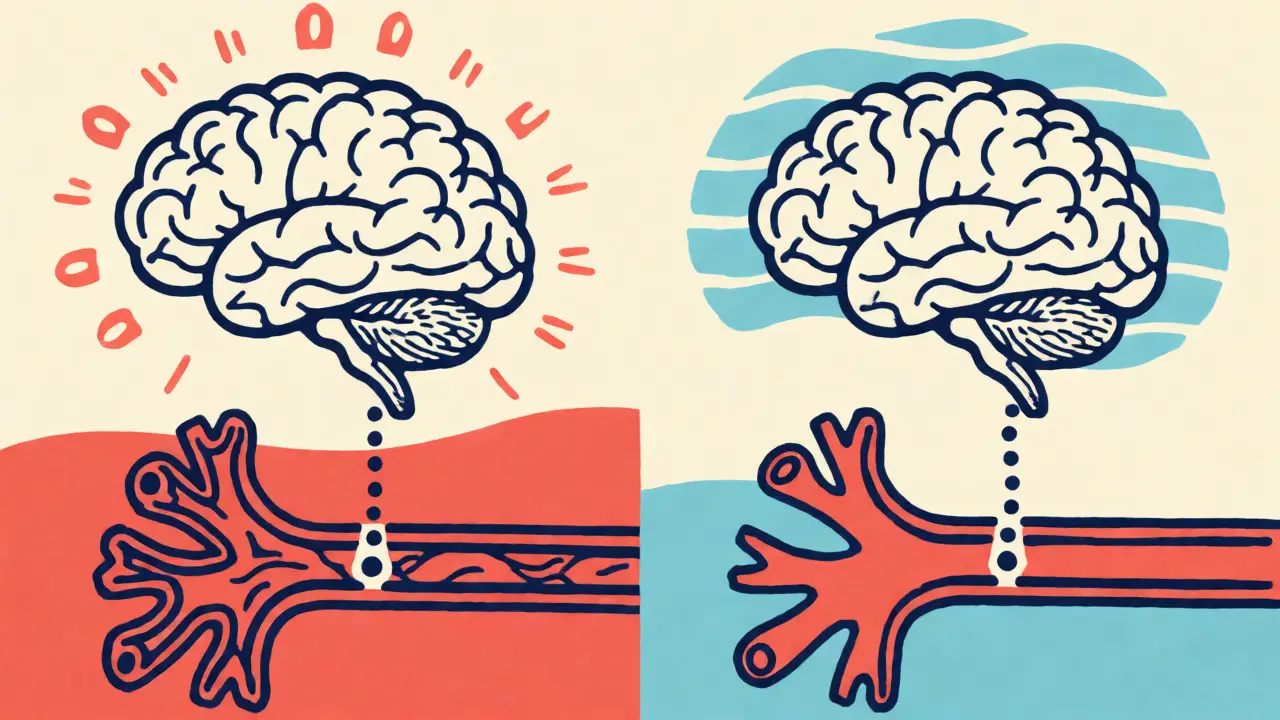
Your stroke risk isn’t determined by your migraine status alone. It’s a cumulative equation. If you smoke, your risk skyrockets. Smoking causes blood vessels to narrow and makes blood stickier. Combine smoking, migraine with aura, and estrogen, and you create a perfect storm for clotting. In fact, smokers over 35 with migraine with aura are at particularly high risk.
Other factors matter too:
- Migraine Frequency: Having aura attacks more than 12 times a year is linked to a higher odds ratio for stroke compared to those with fewer attacks.
- Family History: If your parents or siblings had early strokes, your genetic predisposition adds weight to the risk calculation.
- Blood Pressure: Hypertension damages vessel walls, making clots more likely to form or cause damage.
- Age: Risk naturally increases after age 35.
This means that a 25-year-old non-smoker with infrequent aura might face a different risk profile than a 40-year-old smoker with frequent aura. Guidelines often treat these groups similarly, but clinical judgment must account for individual context.
Safe Alternatives That Work
If you decide to skip estrogen, you have plenty of effective choices. The goal is contraception without the thrombotic risk associated with systemic estrogen.
Progestin-only methods are the gold standard recommendation here. They don’t carry the same stroke risk elevation. Options include:
- Levonorgestrel IUDs: Devices like Mirena or Kyleena release a small amount of progestin locally into the uterus. They are highly effective and last 3-8 years depending on the model. Because the hormone levels in the blood are low, they are considered safe for migraine sufferers.
- Etonogestrel Implant: A tiny rod placed under the skin of the arm. It lasts three years and provides consistent protection without daily pills.
- Depo-Provera Injection: A shot every three months. Effective, though some users report side effects like bone density loss or mood changes.
- Progestin-Only Pills (POPs): Also known as the mini-pill. You take one every day. Newer formulations allow for a wider window of error (up to 24 hours) compared to older versions, making them easier to manage.
For those who prefer no hormones at all, the Copper IUD is a robust choice. It works by creating an environment hostile to sperm and eggs, lasting up to 10 years. The downside? It can make periods heavier and crampier, which might trigger migraines in some women due to pain or sleep disruption.
How to Talk to Your Doctor
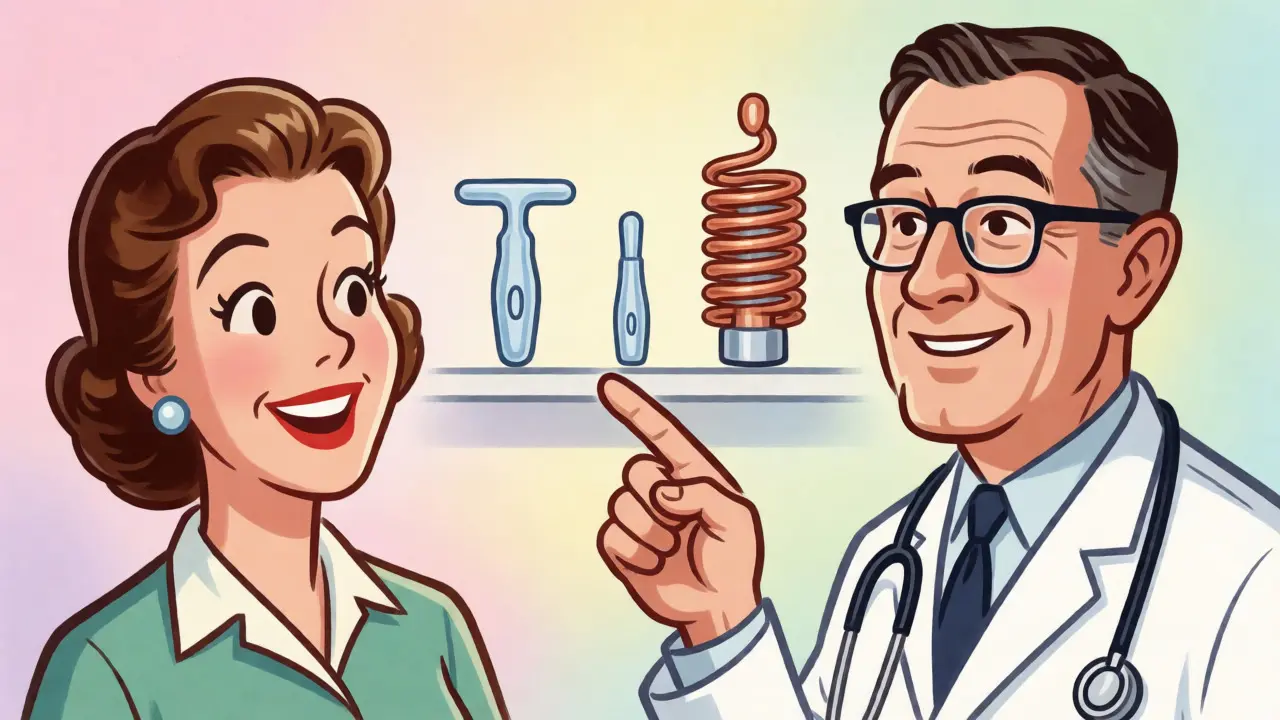
Don’t accept a generic answer. If you have migraine with aura, bring specifics to your appointment. Doctors need precise information to assess your personal risk.
Ask yourself these questions before you go:
- Do I definitely have aura? Describe exactly what you see or feel. Visual disturbances like scintillating scotomas (shimmering blind spots) count. Nausea or fatigue before a headache does not.
- How often do I have aura? Monthly? Weekly? More than once a week?
- Do I smoke? Even occasionally?
- Is my blood pressure normal?
- Do I have a family history of stroke or heart disease?
If you really want to try a combined pill, ask about ultra-low-dose options. Bring up recent studies suggesting lower risks with <30 mcg formulations. Be prepared for your doctor to say no-they are following safety guidelines-but understanding their reasoning helps you make an informed choice. Shared decision-making is key. You know your body; they know the data. Together, you can find a balance.
Frequently Asked Questions
Can I use estrogen patches or rings if I have migraine with aura?
Generally, no. Transdermal methods like patches and vaginal rings also deliver systemic estrogen. The American College of Obstetricians and Gynecologists (ACOG) typically recommends avoiding all systemic estrogen-containing contraceptives for women with migraine with aura due to the similar theoretical risk of blood clots. Progestin-only methods remain the preferred choice.
Does stopping birth control reduce my stroke risk immediately?
Yes. The increased risk of blood clots associated with combined oral contraceptives returns to baseline within weeks to months after discontinuation. Unlike some long-term medications, the thrombotic effect of estrogen is reversible upon cessation.
What if I have migraine without aura? Can I take the pill?
Usually, yes. Women with migraine without aura can typically use combined hormonal contraceptives safely, provided they do not have other major risk factors like smoking, hypertension, or obesity. The strong contraindication specifically applies to those with aura.
Are there any signs I should stop taking my birth control immediately?
Yes. Seek immediate medical attention if you experience sudden severe headache unlike previous migraines, vision loss, weakness on one side of the body, difficulty speaking, or chest pain. These could be signs of a stroke or pulmonary embolism. Stop using the medication and consult your doctor promptly.
Is the copper IUD safe for migraine sufferers?
Yes, the copper IUD contains no hormones, so it does not affect blood clotting mechanisms. It is completely safe regarding stroke risk. However, monitor whether heavier menstrual bleeding triggers your migraines due to pain or iron deficiency.
hareesh kumar
September 2, 2026 AT 00:26Look, I know what they are doing here and it is absolutely terrifying if you stop to think about the implications for even a second. They tell you that the risk is low, thirty out of one hundred thousand sounds fine until you realize that big pharma has been hiding data on these synthetic hormones for decades because they want to keep selling us poison in a pretty little blister pack. It’s not just about the estrogen dosage or the micrograms, no, it’s about how they manipulate the statistical baseline to make the danger seem manageable so we don’t ask too many questions about who is actually funding these studies. You have doctors citing WHO guidelines that haven’t changed in twenty years while simultaneously claiming new research says everything is safe, which is a classic tactic to keep us confused and compliant while our blood thickens without us even knowing it. The real conspiracy isn’t that birth control causes strokes, it’s that they knew this all along and kept pushing combined pills on women with aura because it was easier than explaining complex neurological risks to the masses. We are walking around like zombies popping these chemical cocktails thinking we are protected from pregnancy but really we are playing Russian roulette with our cerebral arteries every single day. And don’t get me started on the progestin-only options, those are just different flavors of the same lab-made nightmare designed to mess with your natural cycle and mood. I bet if you looked at the raw data instead of the polished press releases you would see the numbers are way worse than they admit. This whole medical establishment operates on fear and ignorance, keeping us dependent on their prescriptions rather than empowering us with actual knowledge. So yeah, maybe the absolute risk is low statistically, but when you factor in the environmental toxins we are already exposed to, the cumulative effect is something nobody wants to talk about. Keep your eyes open because the truth is usually buried under layers of jargon and corporate interest.
Sarah Leitschuh
September 3, 2026 AT 23:27This is such a nuanced topic and I appreciate you breaking down the difference between absolute and relative risk. It’s easy to panic when you hear 'stroke' but putting it in perspective helps so much. I’ve had migraine with aura since my teens and switching to a hormonal IUD was life-changing for me, not just for contraception but also because I stopped worrying about daily pill adherence. For anyone feeling overwhelmed by the choices, remember that shared decision-making is key. Your doctor knows the stats, but you know your body and your lifestyle. If smoking is a factor, quitting might be the most impactful thing you can do for your stroke risk, regardless of what contraceptive method you choose. There is no one-size-fits-all answer here, and that’s okay. Be patient with yourself as you navigate these options.
Marshall Stephens
September 4, 2026 AT 08:55I found the section on dosage particularly helpful. As someone who tried to advocate for myself regarding ultra-low-dose pills, I often felt dismissed by providers who stuck rigidly to older guidelines. It is reassuring to see recent studies acknowledging that modern formulations might carry less risk than historical ones. However, I agree with the caution expressed by Dr. Calhoun. While the data is promising, individual risk factors like family history cannot be ignored. It is a delicate balance between personal preference and medical safety. I ended up choosing the implant, which has worked well for me, but I understand why others might prefer the flexibility of pills. Communication with your healthcare provider is essential to finding that right fit.
Kristina Rhodes
September 5, 2026 AT 03:50Oh, the joy of being told your brain is a ticking time bomb simply because it likes to flicker lights before a headache. How delightful. It is fascinating how medicine treats women's bodies as either fragile vessels needing protection or risky investments requiring strict regulation. The idea that we must avoid estrogen entirely feels archaic, yet here we are, debating micrograms like philosophers debating the nature of reality. Are we protecting ourselves from stroke, or are we protecting the status quo of pharmaceutical convenience? Perhaps the true aura is the fog of uncertainty surrounding these decisions. Yet, amidst the sarcasm and the existential dread, there is hope. Knowledge is power, and understanding the nuance allows us to reclaim agency over our own health narratives. Let us not let fear dictate our choices, but let wisdom guide them. After all, the universe is vast, and our migraines are but tiny sparks in the cosmic dark.
Sarah Kinch
September 5, 2026 AT 18:05ugh another article trying to scare women into buying iuds. its always the same narrative. ignore the fact that copper iuds cause massive cramping for half of us. lazy analysis.
Stephen Horn
September 6, 2026 AT 19:49The reliance on the Reproductive Access Organization data seems somewhat presumptuous given the potential biases inherent in such advocacy groups. One must consider the broader epidemiological context, which suggests that the correlation between migraine with aura and thrombotic events is significantly confounded by socioeconomic factors and access to healthcare. Furthermore, the dismissal of high-dose ethinyl estradiol formulations ignores the historical efficacy data that established these drugs as standard care for decades. To suggest that modern low-dose alternatives are unequivocally safer requires a level of certainty that current longitudinal studies simply do not support. It is imperative that patients approach these recommendations with a critical eye, recognizing that medical consensus is often slow to evolve and frequently influenced by institutional inertia rather than pure scientific merit. The WHO Category 4 restriction remains the gold standard for a reason, and deviating from it based on preliminary studies may expose individuals to unnecessary peril. We should prioritize robust, peer-reviewed evidence over anecdotal reassurance.
Gurjit Singh
September 7, 2026 AT 10:15It is morally irresponsible to normalize taking risks with one's health for the sake of convenience. The guidelines exist to protect us, and ignoring them because a study says 'maybe' is dangerous. Smoking plus aura plus estrogen is a recipe for disaster, plain and simple. We need to respect the science and not cherry-pick data that suits our desires.
Venkatesan V.K.
September 9, 2026 AT 05:43The article fails to address the psychological burden placed on women who are forced to use methods that may negatively impact their quality of life. Being told that a safe option like the copper IUD might trigger migraines due to pain is a cruel paradox. It leaves the patient trapped between two undesirable outcomes, neither of which offers true peace of mind. The emotional toll of constant vigilance regarding stroke symptoms is often overlooked in these clinical discussions. We reduce human experience to statistics, forgetting that living in fear of a rare event is its own form of suffering. The advice to 'talk to your doctor' is generic and unhelpful when doctors themselves are uncertain about the latest data. A more holistic approach is needed, one that values mental well-being alongside physical safety metrics.
Marc-David Mayer
September 9, 2026 AT 14:04Hey everyone! 👋 Just wanted to share that I switched to the Nexplanon after struggling with the pill for years. 😅 It was a game changer! No more remembering to take a pill, and honestly, the anxiety about missing a dose and getting pregnant went away completely. 🎉 Also, huge shoutout to the info about smoking. My partner quit smoking when we were planning this, and it made the conversation with our OBGYN so much easier. 💪 Remember, it’s okay to try different things until you find what works best for YOUR body. Don’t let anyone shame you for your choice! ❤️
Anderson Miller
September 10, 2026 AT 11:58Wait... hold on... did we forget about the fact that aura itself is a vascular event?? 🤔 Like, if your brain is already doing weird electrical storms... adding systemic estrogen is basically throwing gasoline on a fire 🔥. But then again... humans are irrational creatures 🧠💥. We seek comfort over safety every time. Look at sugar. Look at alcohol. Look at this situation. It’s all the same pattern. Ignore the warning signs until it’s too late. Or maybe... just maybe... the risk is overstated to sell us devices? Who profits from the fear? 🕵️♂️ Anyway... good luck figuring it out... 🤷♂️
Kimberly Thomas
September 11, 2026 AT 04:10I feel like this article dances around the real issue: compliance. Most people don't track their aura frequency accurately enough to make informed decisions. If you're not logging every episode, you're guessing. And guessing with stroke risk is bad business. Also, the comparison table is misleading because it doesn't account for user error rates with POPs vs. LARC methods. People think they can handle the mini-pill but fail miserably. Stick to the set-and-forget options if you value your brain.
kishhore kumar
September 12, 2026 AT 11:15Very interesting read!! 📚 I didn't know that ultra-low dose pills might be safer now. Is there any specific brand name mentioned in the 2022 study? 🤔 Also, does the aura type matter? Like visual vs sensory aura? 🧐 Would love to know more details on that. Great info though!!! 👍