
How to Reduce Medication Risks with Simple Lifestyle Changes
 Aug, 7 2026
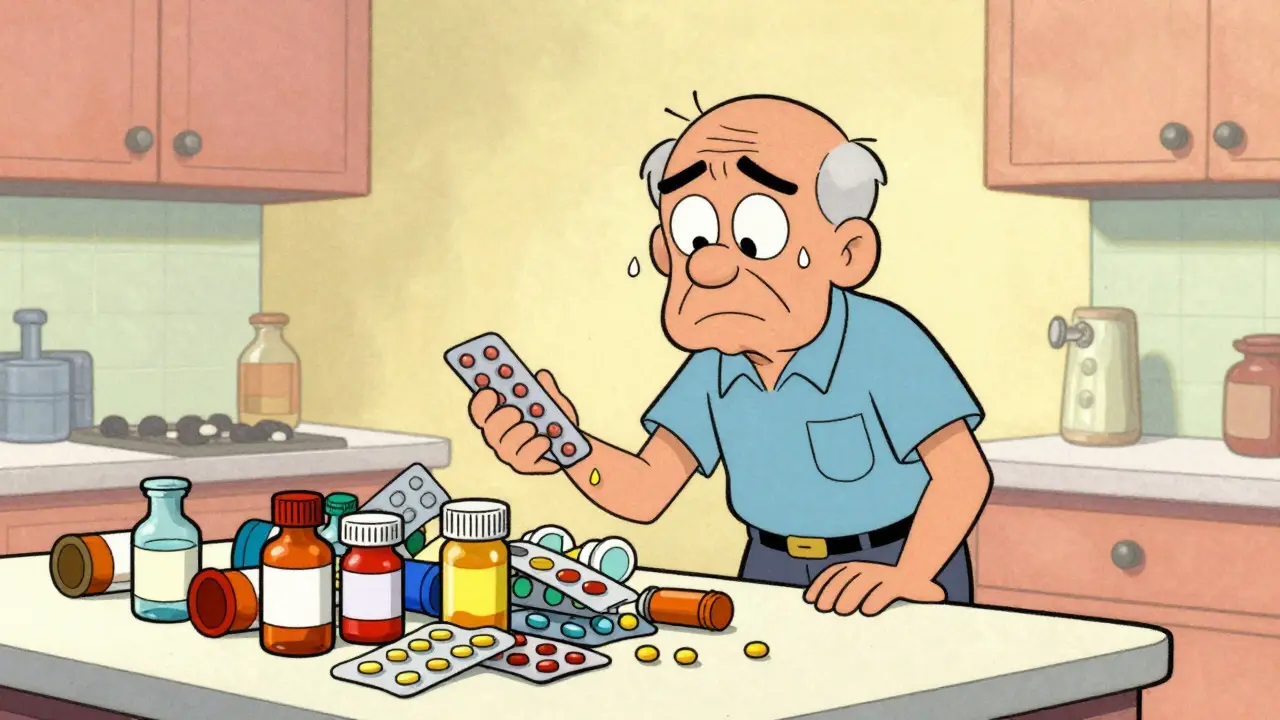
Imagine taking five or more pills every single day. For millions of people managing chronic conditions like high blood pressure or diabetes, this is reality. But here is the hard truth: taking multiple medications increases your risk of adverse drug events by 300%. That isn't just a statistic; it’s a warning sign that our current approach to health often treats symptoms while ignoring root causes. The good news? You don’t have to accept this risk as inevitable. Evidence shows that simple, targeted lifestyle changes can cut medication needs by up to 50% for many common conditions.
This isn't about replacing your doctor's advice with internet trends. It is about using science-backed habits-like specific types of movement, precise dietary adjustments, and better sleep-to make your body work harder so your medicines have less heavy lifting to do. When done correctly under medical supervision, these changes can lower your pill count, reduce side effects, and improve your overall quality of life.
The Hidden Dangers of Polypharmacy
To understand why lifestyle changes matter, we first need to look at what happens when you take too many drugs. This practice, known as polypharmacy, is defined as taking five or more medications simultaneously. A 2022 study in the Journal of the American Geriatrics Society found that polypharmacy triples the risk of adverse drug events. In the United States alone, adverse drug events cause approximately 1.3 million emergency department visits and 350,000 hospital admissions every year, according to the Institute for Safe Medication Practices.
Why does this happen? Each new medication introduces potential interactions with others, food, and your body's natural processes. For example, if you are on blood thinners, certain foods might interfere with their effectiveness. If you are on antibiotics, dairy products might prevent absorption. The more pills you take, the higher the chance that one will clash with another or cause unexpected side effects like dizziness, fatigue, or digestive issues. Reducing the number of medications you rely on is one of the most effective ways to protect your long-term health.
Movement as Medicine: Specifics That Matter
Exercise is often prescribed vaguely as "get moving more." But to reduce medication risks, you need precision. According to clinical analysis from JenCare Medical Centers, brisk walking for just 30 minutes, three days per week, can significantly lower blood pressure naturally. How? It makes your heart muscle more efficient at pumping blood, reducing the strain on your cardiovascular system.
For optimal cardiovascular benefits, the Michigan State University College of Pharmacy recommends a specific formula:
- 150 minutes weekly of moderate-intensity aerobic exercise (like brisk walking, swimming, or cycling).
- Two days per week of strength training to maintain muscle mass and metabolic health.
Consistency is key. Physiological benefits typically become measurable after 8-12 weeks of consistent practice. One user on Reddit, describing themselves as 'HypertensionWarrior,' reported dropping their blood pressure from 150/95 mmHg to 125/80 mmHg within six months by sticking to daily 30-minute walks. This improvement allowed their physician to safely discontinue one antihypertensive medication. Remember, gradual progression prevents injury and ensures you can stick with the routine long enough to see results.

Nutrition Protocols: Eating to Lower Dosages
Dietary changes are not one-size-fits-all. To effectively reduce medication reliance, your nutrition plan must be condition-specific. For hypertension, research published in the New England Journal of Medicine shows that reducing sodium intake and following the DASH diet (Dietary Approaches to Stop Hypertension) can lower blood pressure by 11/5 mm Hg. This reduction is comparable to the effect of a single antihypertensive medication.
For those managing Type 2 diabetes, the impact is even more profound. Research presented at the 2024 UC Davis Wellness Academy demonstrated that losing just 5-7% of body weight through diet and exercise can reduce the need for diabetes medications by up to 60% in prediabetic patients and 40% in those with established Type 2 diabetes. A diabetic diet that focuses on whole foods, fiber, and controlled carbohydrates can improve blood glucose control to a degree that rivals pharmaceutical interventions.
However, be cautious. Some healthy foods interact dangerously with medications. Grapefruit affects up to 85% of statins, potentially leading to toxic levels of the drug in your bloodstream. Dark leafy greens, rich in vitamin K, can interfere with warfarin, a common blood thinner. Always consult your pharmacist before making drastic dietary shifts, especially if you are on sensitive medications.
Sleep and Stress: The Silent Regulators
We often overlook sleep and stress when discussing medication safety, but they are critical regulators of your body's chemistry. Adults require seven to nine hours of quality sleep nightly. Chronic sleep deprivation is linked to high blood pressure, Type 2 diabetes, and obesity. When you are sleep-deprived, your body produces more cortisol, a stress hormone that raises blood sugar and blood pressure, essentially working against your medications.
Stress management techniques like yoga or meditation provide measurable cardiovascular benefits. The Michigan State University College of Pharmacy notes that stress reduction complements medication regimens by lowering cardiac strain. Incorporating ten minutes of mindfulness or deep breathing exercises daily can help regulate your nervous system, making your medications more effective and potentially allowing for lower dosages over time.

Implementing Changes Safely Under Medical Supervision
The biggest mistake people make is changing their lifestyle and then abruptly stopping their meds, or vice versa. Rob Shmerling, MD, Senior Faculty Editor at Harvard Health Publishing, warns that medications should be used "in addition to" lifestyle changes, not "instead of" them. Furthermore, patients often "slack off" on diet and exercise once they start taking a pill, undermining the treatment entirely.
Here is how to implement these changes safely:
- Consult Your Doctor First: Never adjust medication doses on your own. Abrupt changes can cause dangerous health consequences. Share your goal to reduce medication load with your provider.
- Track Your Metrics: Use digital health tools to monitor blood pressure, blood glucose, and activity levels. Data helps your doctor see if lifestyle changes are working.
- Start Small: Dietary habits take 4-6 weeks to form. Exercise benefits take 8-12 weeks. Be patient and consistent.
- Review Interactions: Ask your pharmacist about food-drug interactions specific to your prescription list.
A 2023 meta-analysis in JAMA Internal Medicine involving 3.4 million participants confirmed that strategic lifestyle interventions can reduce medication needs by 25-50% for chronic conditions when properly implemented. The key is partnership with your healthcare team.
Real-World Expectations and Challenges
Lifestyle medicine is not a quick fix. Unlike medications that work immediately, lifestyle changes require 3-6 months to demonstrate measurable effects. An American Heart Association survey of 2,400 individuals found that while 68% reported improved quality of life after implementing lifestyle changes, 32% cited challenges with sustained behavior change. Social isolation and the difficulty of maintaining strict diets were common hurdles.
Success stories exist, but they require commitment. Patients in structured lifestyle programs achieved 15-20% reductions in medication dosages, but only after 8-12 weeks of consistent implementation. The growing field of lifestyle medicine, represented by organizations like the American College of Lifestyle Medicine (ACLM), now has 12,000 certified practitioners helping patients navigate these changes. Employers are also jumping on board, with workplace wellness programs showing an 18.7% average reduction in chronic disease care costs.
Can lifestyle changes completely replace medication?
In some cases, yes. For conditions like mild hypertension or early-stage Type 2 diabetes, significant lifestyle improvements can sometimes allow doctors to taper off medications entirely. However, this must always be done under strict medical supervision. For other conditions, lifestyle changes may only reduce the dosage or number of pills needed, rather than eliminating them completely.
How long does it take for lifestyle changes to affect medication needs?
It typically takes 3 to 6 months to see measurable physiological changes that could justify a medication adjustment. Dietary habit formation takes about 4-6 weeks, while cardiovascular benefits from exercise usually appear after 8-12 weeks of consistent practice. Patience and consistency are crucial.
What are the most dangerous food-medication interactions?
Grapefruit is notorious for interfering with statins and some blood pressure medications. Vitamin K-rich foods like spinach and kale can interfere with blood thinners like warfarin. Dairy products can reduce the absorption of certain antibiotics. Always ask your pharmacist for a personalized list of interactions based on your specific prescriptions.
Is lifestyle medicine covered by insurance?
Coverage is expanding. Medicare Advantage plans now cover certain lifestyle medicine programs under Chronic Care Management codes. Many private insurers also offer coverage for wellness programs or referrals to certified lifestyle medicine practitioners. Check with your specific provider to understand your benefits.
What is polypharmacy and why is it risky?
Polypharmacy refers to taking five or more medications simultaneously. It is risky because each additional drug increases the likelihood of adverse drug events, side effects, and dangerous interactions between medications. Studies show it can triple the risk of negative health outcomes related to medication use.