
Gallstones Guide: Managing Biliary Colic, Cholecystitis, and Surgery Options
 Apr, 7 2026
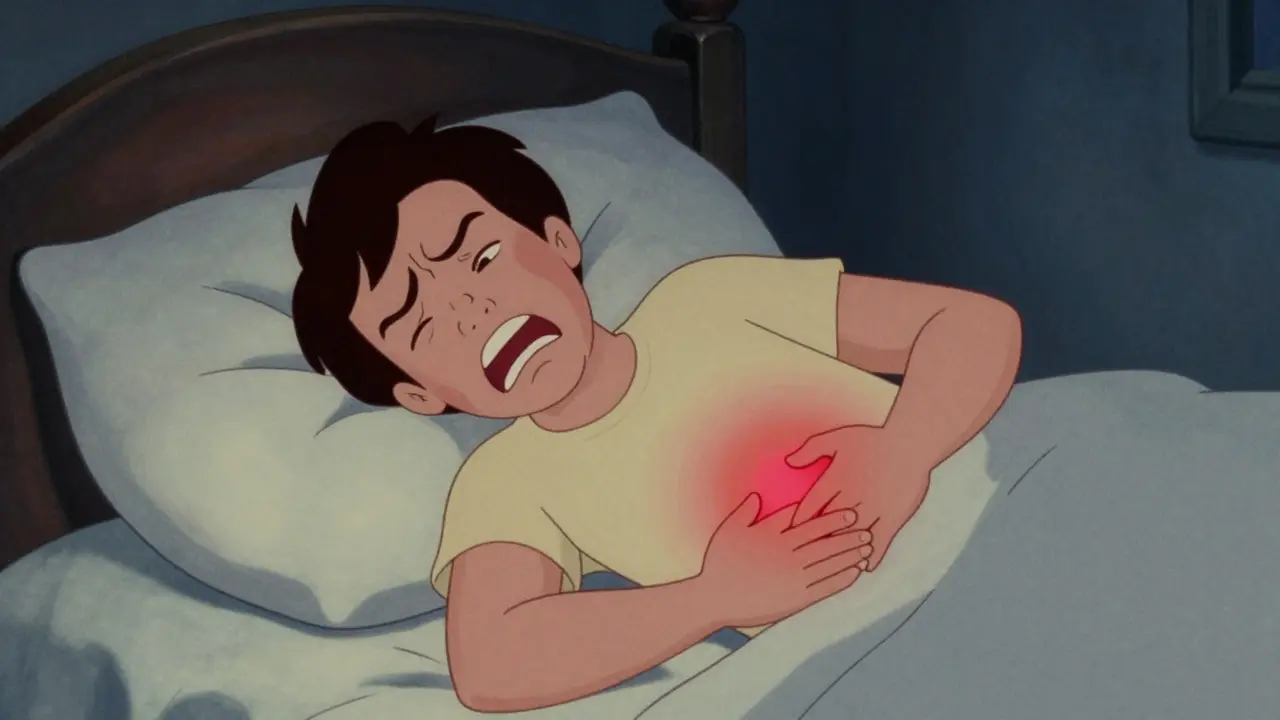
Imagine waking up in the middle of the night with a pain so intense in your upper abdomen that you can't find a comfortable position to sit or lie down. For many, this is the first encounter with gallstones. It's a frightening experience, often mistaken for a heart attack or severe food poisoning, but it's actually a common biological glitch where the gallbladder's cleaning system fails. While about 80% of people with stones never even know they have them, once the pain starts, the clock begins ticking toward a decision: live with the episodes or opt for surgery.
| Condition | What's Happening | Pain Duration | Urgency |
|---|---|---|---|
| Biliary Colic | Stone temporarily blocks the duct | 1 to 5 hours | Elective management |
| Acute Cholecystitis | Gallbladder becomes inflamed/infected | Constant/Persistent | Urgent/Emergency |
| Choledocholithiasis | Stone blocks the main common bile duct | Variable (often with jaundice) | High |
The Sudden Strike of Biliary Colic
When we talk about "gallbladder attacks," we are usually describing Biliary Colic is an episodic pain caused by a gallstone temporarily blocking the cystic duct. Think of it like a kink in a garden hose; the gallbladder tries to push bile out, but the stone is in the way, causing the organ to stretch and cramp.
This pain isn't a dull ache. It's typically steady, moderate to severe, and settles right in the right upper quadrant of your abdomen or the center of your chest (the epigastrium). A key tell-tale sign is that it doesn't go away if you vomit or pass gas-which is why it's so different from standard indigestion. Usually, the pain peaks within an hour and lasts anywhere from one to five hours until the stone happens to shift or fall back into the gallbladder.
The real problem is that once this happens, the "honeymoon phase" of silent stones is over. Data from the American Academy of Family Physicians shows that over 90% of people who have one episode will deal with it again within a decade, and two-thirds will see it return within just two years. It's rarely a one-time event.
When Inflammation Hits: Acute Cholecystitis
Biliary colic is a temporary blockage, but Cholecystitis is the acute inflammation of the gallbladder wall. This happens when a stone doesn't just visit the duct but decides to stay there, trapping bile and allowing bacteria to trigger an infection. About 20% of people who experience biliary colic eventually slide into this more dangerous territory.
Unlike the "come and go" nature of colic, cholecystitis pain is constant. You'll likely feel a fever and a general sense of illness. If a stone migrates further and blocks the common bile duct, you might notice your skin or the whites of your eyes turning yellow-a condition called jaundice. This is a red alert that requires immediate medical attention because it can lead to Pancreatitis, a painful and potentially life-threatening inflammation of the pancreas.
Understanding the Stones: Cholesterol vs. Pigment
Not all gallstones are created equal. In Western countries, about 80% of stones are cholesterol stones. These form when the liver dumps too much cholesterol into the bile, or when the gallbladder doesn't empty completely, allowing the liquid to thicken into crystals. The remaining 20% are pigment stones, which are made of bilirubin and are typically darker.
Risk factors aren't random. Women are two to three times more likely to develop these stones than men. There is also a notable demographic trend where Hispanic populations show a 45% higher incidence compared to non-Hispanic whites. Obesity is another massive driver, with nearly 40% of US adults fitting the obese category, which directly correlates with higher bile cholesterol levels.
Surgical Choices: The Gold Standard and Its Alternatives
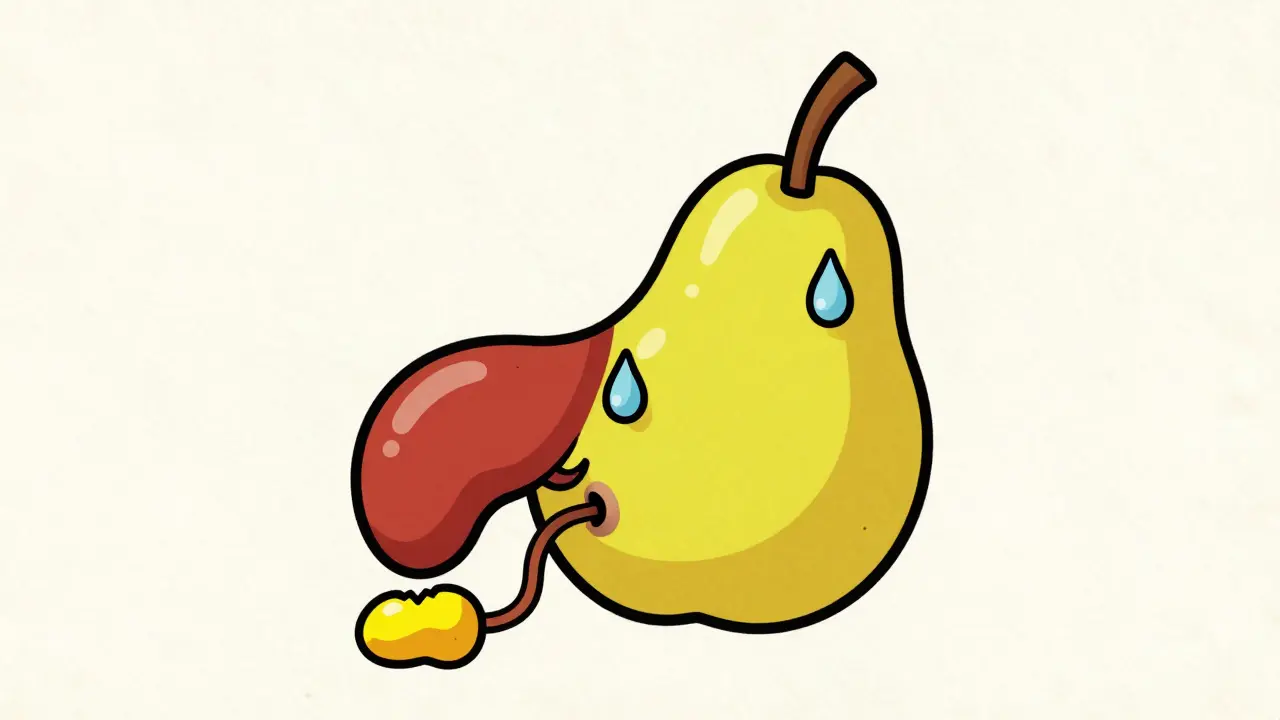
If you're dealing with symptomatic stones, you're likely facing a choice between waiting and seeing or scheduling a Cholecystectomy, the surgical removal of the gallbladder. For most, surgery is the only permanent fix.
Laparoscopic vs. Open Surgery
In the modern era, about 90% of these surgeries are done laparoscopically. Instead of one large incision, the surgeon makes a few tiny holes and uses a camera. The difference in recovery is night and day. Patients undergoing laparoscopic surgery usually stay in the hospital for about 1.2 days, compared to nearly 5 days for open surgery. Most people are back to their normal routine in about a week, whereas open surgery can take a month of recovery.
However, not everyone is a candidate for the "keyhole" approach. In about 5-10% of cases, surgeons have to "convert" to open surgery because the inflammation is too severe or the anatomy is too complex to navigate safely with a camera.
Can You Avoid Surgery?
Some people ask if they can just dissolve the stones. There is a medication called ursodeoxycholic acid, but honestly, the success rate is low. It only works for small cholesterol stones and only in about 30-50% of cases. Even when it works, half of the patients see the stones return within five years. Shock-wave lithotripsy (using sound waves to break stones) is another option, but it's mostly used for very specific cases of solitary stones under 20mm and has largely fallen out of favor due to high recurrence rates.
The Age and Risk Equation
While surgery is generally very safe-with complication rates below 2% in experienced hands-the risk profile changes as we age. For a healthy 40-year-old, the 30-day mortality rate is a minuscule 0.1%. But for someone over 75 with three or more other health problems (comorbidities), that risk jumps to 2.8%.
For these high-risk patients, doctors are now looking at endoscopic ultrasound-guided drainage. This is a newer technique that allows doctors to drain the gallbladder without a full surgical operation, showing an 85% success rate in people who are too frail for a traditional cholecystectomy.
| Method | Success Rate | Recovery Time | Recurrence Risk |
|---|---|---|---|
| Laparoscopic Surgery | Very High (>95%) | ~7 Days | Extremely Low |
| Medical Dissolution | Low (30-50%) | N/A (Ongoing) | High (50% in 5 years) |
| Lithotripsy | Moderate (70-90%) | Short | High |

What to Expect After the Gallbladder is Gone
One of the biggest questions patients have is: "Can I live without a gallbladder?" The answer is yes. The gallbladder is essentially a storage tank for bile; it doesn't actually produce it. Once removed, the liver simply drips bile directly into the small intestine.
Most people feel a massive improvement in quality of life within two weeks. However, it's not a perfect transition for everyone. About 12% of patients report a period of increased diarrhea, as the bile is no longer concentrated and stored, which can speed up digestion. A smaller group (around 6%) experiences "post-cholecystectomy syndrome," where some symptoms of the original disease persist despite the organ being gone.
How do I know if my stomach pain is a gallbladder attack?
Biliary colic usually feels like a steady, intense pain in the right upper abdomen or just below the breastbone. Unlike a stomach bug or gas, it typically doesn't get better after vomiting or using the bathroom. It often strikes after a heavy or fatty meal and lasts between 1 and 5 hours.
Is it safe to wait and see if the pain comes back?
While 80% of stones never cause problems, once you have your first attack, the chance of recurrence is very high (over 90% within 10 years). Waiting can lead to complications like acute cholecystitis or pancreatitis, which often require emergency surgery. Most surgeons recommend an elective laparoscopic cholecystectomy to avoid these crises.
Will my diet change after surgery?
Most people return to a normal diet quickly. Some may experience temporary diarrhea or bloating after eating very fatty meals because bile now flows constantly into the intestine rather than being released in a burst. Gradually reintroducing fats usually helps the body adapt.
What is the difference between a stone and inflammation?
A stone is the object causing the blockage (cholelithiasis). Inflammation (cholecystitis) occurs when that stone blocks the duct for a long time, causing the gallbladder wall to become swollen, infected, and potentially gangrenous. Colic is a temporary blockage; cholecystitis is a medical emergency.
How long is the recovery for laparoscopic surgery?
The median recovery time is about 7 days. Most patients are discharged from the hospital within 24 hours. You'll be encouraged to walk within 4 hours of surgery and start a liquid diet shortly after. Full activity usually returns within two weeks.
Next Steps and Troubleshooting
If you've had a single episode of pain, your first step should be an ultrasound-the gold standard for spotting stones. If the stones are "silent" (no pain), you generally don't need to do anything. However, if you have pain, start a food diary to identify triggers (like fried foods or high-fat dairy) to avoid further attacks while you wait for surgery.
If you experience high fever, chills, or yellowing of the skin, don't wait for a scheduled appointment. Go to the ER. These are signs that the stone has moved into the common bile duct or caused a severe infection, and you may need a procedure to clear the duct before the gallbladder can be removed safely.
dwight koyner
April 7, 2026 AT 20:32It is imperative to remember that while laparoscopic surgery is the standard, the transition period requires a disciplined approach to dietary changes to mitigate the risk of post-cholecystectomy syndrome. Patients should maintain a detailed log of their reactions to reintroduced fats to better manage the bile flow adjustments.
Grace Lottering
April 9, 2026 AT 15:07Big Pharma just wants you under the knife. They hide the natural cures. Total scam.
Nathan Kreider
April 10, 2026 AT 03:27I hope everyone reading this feels better soon! It sounds scary but the recovery is usually fast and you'll feel so much better once those stones are gone. You got this! 😊
Stephen Luce
April 10, 2026 AT 18:18I remember my first attack felt exactly like a heart attack. I was terrified. It's a relief to know the recovery is mostly a week, but the mental stress of that first pain is something else entirely.
Darius Prorok
April 11, 2026 AT 13:42Actually, people forget that the liver still makes the bile. The gallbladder is just a pouch. Removing it doesn't stop bile production, it just changes the delivery method. Basic biology.
Srikanth Makineni
April 11, 2026 AT 18:35Surgery is the only real way out
Timothy Burroughs
April 12, 2026 AT 00:48Typical weak modern diet causing this garbage!! back in the day we didn't have these processed oils that ruin your liver and gallbladder. wake up people this is a national health crisis caused by laziness and bad food choices and the doctors just want to cut you open for a check
Laurie Iten
April 12, 2026 AT 05:35it makes me wonder about the body as a machine and how we only notice the parts that work until they stop working. the silence of the stones is a metaphor for so many things in life
Jitesh Mohun
April 13, 2026 AT 12:08stop whining about the pain and just get the surgery done already. why wait for an emergency room trip when you can schedule it. its common sense and some of you are just too scared to face the knife
shelley wales
April 15, 2026 AT 09:37It's okay to be nervous about surgery. Many of us have been through it and come out feeling way more energetic. Just take it one day at a time and be kind to your body during the healing process.
Jamar Taylor
April 17, 2026 AT 02:48You can totally handle this recovery! Just focus on those small walks after surgery and you'll be back to 100% in no time. Keep your head up and stay positive about the results!
Dhriti Chhabra
April 18, 2026 AT 18:19I believe that maintaining a balance between medical intervention and holistic wellness is the most prudent approach for long-term recovery.
Jay Vernon
April 19, 2026 AT 21:33Wow so helpful! Thanks for the tips! 🌟👍