
Earwax Impaction: Symptoms, Safe Removal Methods, and When to See a Doctor
 Jun, 5 2026
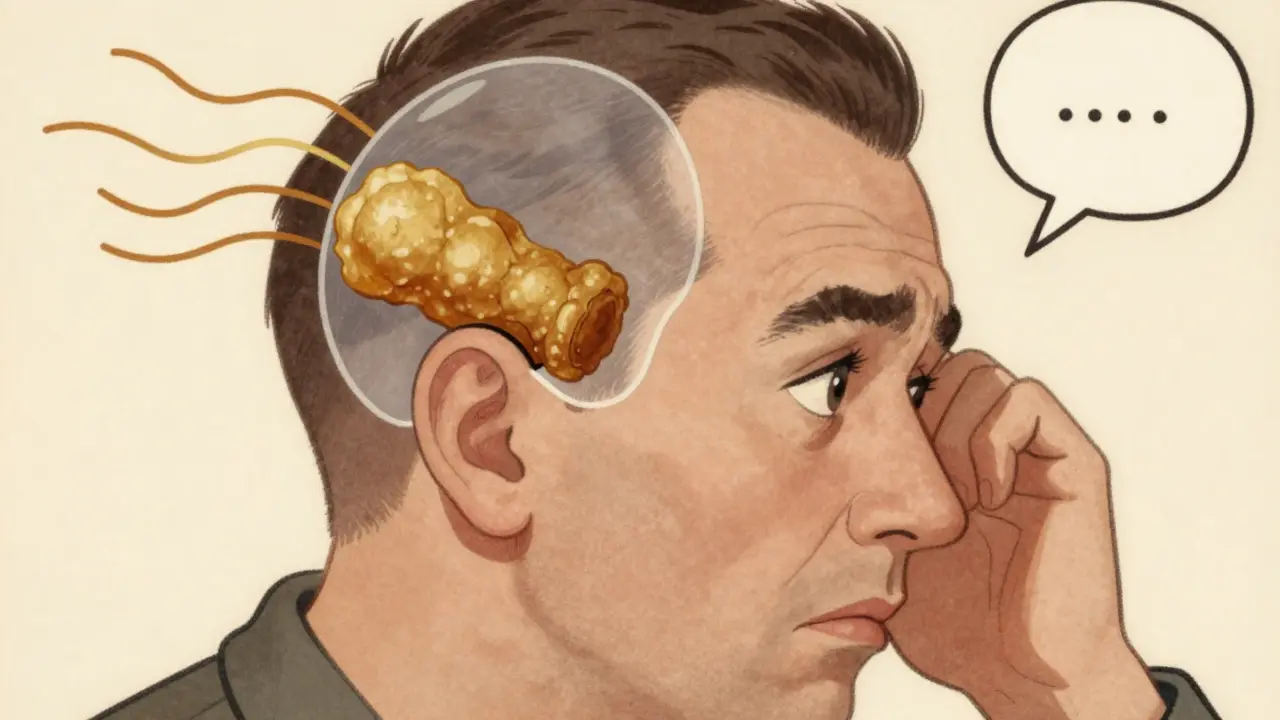
Have you ever felt like your ears are plugged, as if you’re listening to the world through a thick wall? That muffled sound isn’t just in your head. It’s likely earwax impaction, also known as cerumen blockage. This condition occurs when natural earwax builds up and hardens in the ear canal, creating a physical barrier that blocks sound waves from reaching the eardrum. While earwax itself is healthy and necessary, too much of it can cause significant discomfort, hearing loss, and even infection if handled incorrectly.
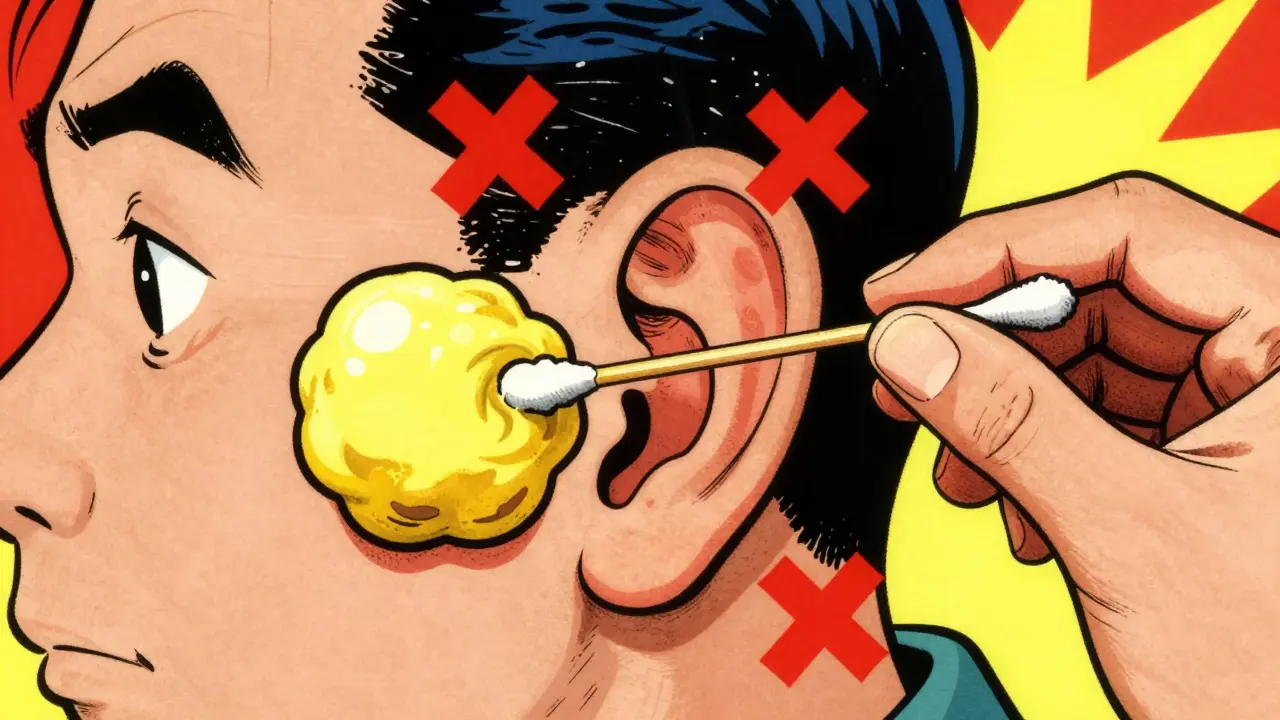
The good news? Most cases are easily treatable. The bad news? Many people make the problem worse by trying to fix it themselves with cotton swabs or Q-tips or other unsafe methods. Understanding what causes this buildup, recognizing the symptoms early, and knowing the safest removal techniques can save you from unnecessary pain and potential long-term damage.
What Is Earwax Impaction and Why Does It Happen?
To understand why your ears might feel blocked, you first need to know what earwax actually does. Cerumen (the medical term for earwax) is produced by glands in the outer part of your ear canal. It serves three critical functions: it traps dust and debris, prevents bacteria and fungi from growing, and keeps the skin of the ear canal lubricated.
In a healthy ear, this wax naturally migrates outward. As you chew, talk, or yawn, the jaw movement helps push old wax out of the ear, where it dries up and flakes away. You usually don’t notice it because it happens so gradually. However, sometimes this self-cleaning mechanism fails. When wax accumulates faster than it can exit, or when it gets pushed deeper into the canal, it hardens and forms a plug. This is called impacted cerumen.
Several factors increase your risk of developing this blockage:
- Cotton swab use: This is the biggest culprit. According to NHS England data, using cotton swabs causes 60-70% of all man-made earwax impactions. Instead of removing wax, you often pack it tighter against the eardrum.
- Hearing aids and earbuds: Devices that sit in the ear canal can block the natural migration path of wax. About 35-40% of hearing aid users experience frequent buildup.
- Age: As we get older, earwax tends to become drier and harder. Prevalence jumps from 5% in adults aged 20-40 to 14% in those over 65.
- Anatomy: Some people have narrower ear canals or excessive hair growth in the ear, which makes it harder for wax to escape naturally.
Recognizing the Symptoms of Cerumen Blockage
You might not realize you have an impaction until it starts affecting your daily life. Symptoms usually develop gradually over one to three weeks. If you experience any of the following, it’s time to pay attention:
| Symptom | Frequency in Cases | Description |
|---|---|---|
| Muffled Hearing Loss | 65% | Sounds seem distant or underwater; often affects only one ear. |
| Sense of Fullness | 58% | A feeling of pressure or clogging inside the ear. |
| Earache | 42% | Dull pain or discomfort deep in the ear canal. |
| Tinnitus (Ringing) | 29% | A persistent ringing, buzzing, or hissing sound. |
| Itching | 33% | Irritation inside the ear canal. |
| Dizziness | 18% | Lightheadedness or balance issues caused by pressure on the inner ear. |
| Cough | 7% | A dry, tickly cough triggered by nerve stimulation in the ear. |
If you have a history of ear surgery, perforated eardrums, or drainage from the ear, do not attempt home remedies. These symptoms require professional evaluation to rule out infections like otitis externa or other conditions such as temporomandibular joint disorders.
Why Cotton Swabs Are Your Enemy
We’ve all been told since childhood to clean our ears, but most of us were given bad advice. The idea that you should scrub your ears with a cotton swab is a myth that leads to more harm than good. Here’s why:
- Packing Effect: Swabs are wider than the average ear canal. Inserting one pushes soft wax deeper, compressing it into a hard plug against the sensitive eardrum.
- Micro-trauma: The skin in the ear canal is incredibly thin. Scrubbing it can cause tiny tears, leading to itching and inflammation, which triggers the body to produce *more* wax as a defense mechanism.
- Infection Risk: Introducing foreign objects can bring bacteria into the canal, increasing the chance of swimmer’s ear (otitis externa).
Data from Reddit’s audiology community shows that 74% of users who tried to remove wax with cotton swabs reported worsened symptoms within 48 hours. In fact, 22% ended up needing emergency care due to severe pain or sudden hearing loss. The rule of thumb from ENT specialists is simple: never insert anything smaller than your elbow into your ear.
Safe Home Remedies: Softening Before Removing
If you suspect a mild blockage and have no history of eardrum perforation, you can try softening the wax at home. This doesn’t remove the wax immediately but makes it easier for it to migrate out naturally or be removed professionally later.
The National Health Service (NHS) recommends a simple oil-based approach:
- Choose the right oil: Use olive oil, almond oil (if you’re not allergic), or mineral oil. Avoid hydrogen peroxide if you have sensitive skin, as it can cause irritation in 15% of users.
- Warm it slightly: Body temperature is ideal. Never use hot oil, as this can burn the delicate ear canal.
- Apply drops: Lie on your side with the affected ear facing up. Instill 2-3 drops of oil into the ear.
- Wait: Stay in that position for 5-10 minutes to let the oil penetrate the wax.
- Repeat: Do this 3-4 times a day for 3-5 days.
After several days, the softened wax may drain out on its own. Gently wipe the outer ear with a damp cloth, but do not stick anything inside the canal. Carbamide peroxide solutions (like Debrox) are another option, showing 65% effectiveness after four days of use. However, if you don’t see improvement after a week, stop and see a doctor.
Professional Removal Methods: What Works Best?
When home remedies fail, or if your symptoms are severe, professional intervention is necessary. There are three main methods used by healthcare providers, each with different success rates and risks.
| Method | Effectiveness | Pros | Cons/Risks |
|---|---|---|---|
| Microsuction | 96% | Safest method; visible under microscope; suitable for perforated eardrums. | Requires specialized equipment and trained clinician. |
| Manual Instrumentation | 92% | Quick single-visit resolution; no water used. | Risk of scratching canal if done by inexperienced provider. |
| Irrigation (Syringing) | 85% | Widely available; inexpensive. | Contraindicated for perforated eardrums; risk of dizziness/infection. |
Microsuction is currently considered the gold standard. A specialist uses a small suction device under direct vision via a microscope or endoscope. It’s dry, gentle, and has a very low complication rate. Manual instrumentation involves using a curette or loop to gently scoop out the wax. This is highly effective but requires skill. Irrigation flushes the ear with warm water or saline. While common, it carries a higher risk of complications, especially if the eardrum is damaged. Studies show that irrigation has a 1.2% complication rate compared to less than 1% for microsuction.
Avoid ear candling at all costs. The FDA has classified ear candles as misbranded devices, and studies show they provide no benefit while posing serious risks of burns and wax obstruction. Between 2018 and 2022, there were 12,500 reported ear injuries from improper home removal attempts, including 3,000 cases of eardrum perforation.

When to See a Doctor Immediately
Not all ear problems are caused by wax. You should seek immediate medical attention if you experience:
- Sudden, complete hearing loss in one ear.
- Severe pain that doesn’t improve with over-the-counter pain relievers.
- Fever accompanied by ear pain.
- Fluid, pus, or blood draining from the ear.
- Dizziness or vertigo that affects your balance.
These symptoms could indicate an infection, a ruptured eardrum, or other serious conditions like cholesteatoma. Only a trained professional with an otoscope can accurately diagnose the issue. Self-diagnosis often leads to delayed treatment and worse outcomes.
Preventing Future Buildup
Once your ears are clear, how do you keep them that way? Prevention is about working with your body’s natural processes, not against them.
- Stop using cotton swabs: Reserve them for cleaning the outer folds of your ear, never the canal.
- Use preventive drops: If you’re prone to buildup, use a few drops of olive oil or a commercial earwax prevention spray once a week.
- Protect your ears: Wear earplugs when swimming to prevent moisture buildup, which can soften wax and make it stickier.
- Regular check-ups: If you use hearing aids, schedule regular cleanings with your audiologist.
Remember, the ear is a self-cleaning organ. In 90% of cases, impaction results from well-intentioned but misguided cleaning attempts. By leaving your ear canal alone and allowing natural migration to occur, you’ll likely avoid the problem entirely.
How long does it take for earwax to dissolve with oil?
It typically takes 3 to 5 days of consistent application (3-4 times daily) for oil to sufficiently soften impacted earwax. After this period, the wax may drain out naturally during sleep or showering. If no improvement is seen after a week, consult a healthcare provider.
Is ear candling safe for removing earwax?
No, ear candling is not safe. The FDA warns that it is ineffective and poses serious risks, including burns, ear canal obstruction from candle wax, and eardrum perforation. Medical studies have found no evidence that it removes earwax effectively.
Can earwax impaction cause permanent hearing loss?
In most cases, hearing loss from earwax impaction is temporary and resolves completely once the wax is removed. However, if left untreated for a long time, it can lead to chronic ear infections or damage to the eardrum, which may result in permanent hearing issues.
What is the best way to clean ears without causing damage?
The safest way to clean your ears is to wipe the outer ear with a damp washcloth. Do not insert anything into the ear canal. For maintenance, occasional use of olive oil drops can help keep wax soft and allow it to exit naturally.
Why do I feel dizzy after trying to clean my ears?
Dizziness can occur if water or air enters the middle ear through a perforated eardrum, or if pressure changes stimulate the vestibular system in the inner ear. If you experience persistent dizziness, seek medical attention immediately as it may indicate an inner ear infection or injury.