
Corticosteroid Injections: How Joint Shots Reduce Inflammation and Pain
 Jul, 7 2026
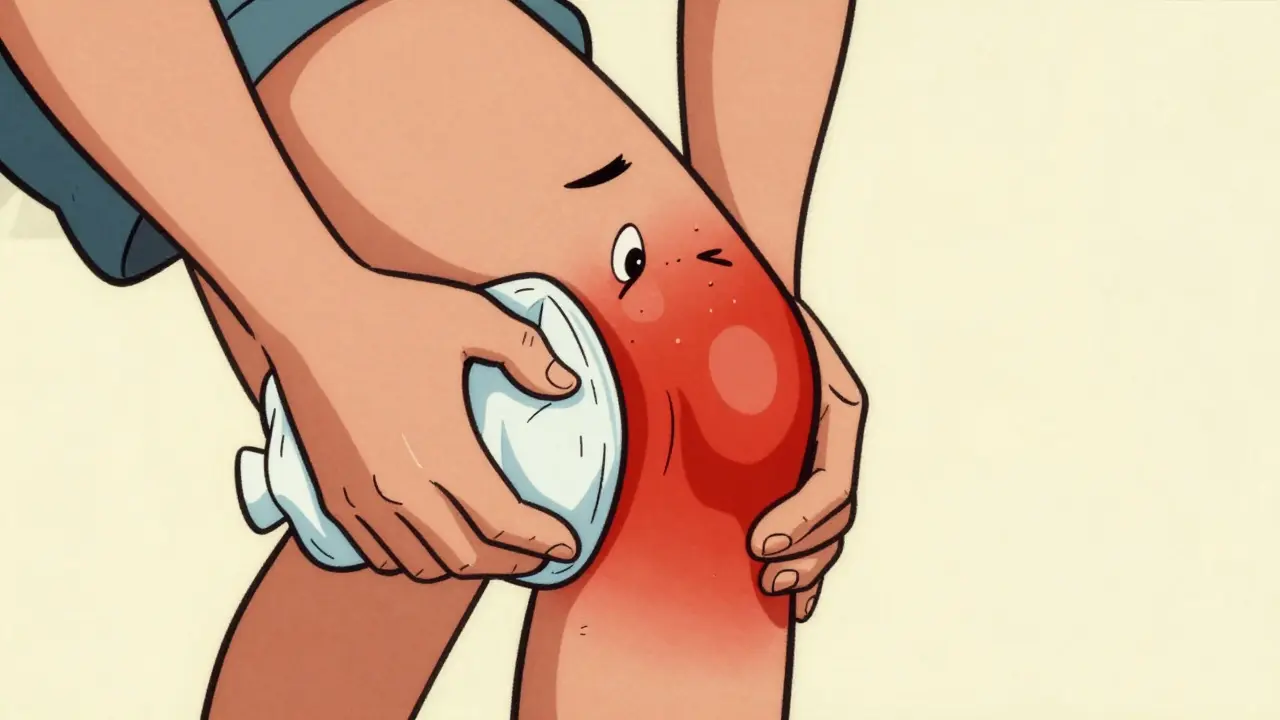
Imagine the sharp, grinding pain in your knee finally quieting down. You can walk to the mailbox without wincing. That’s the promise of corticosteroid injections, often called cortisone shots. These are not just a quick fix; they are a targeted medical intervention designed to shut down the fire of inflammation inside your joints.
But here is the catch: while these shots provide incredible short-term relief, they come with strict limits. Using them too often can actually damage the very tissues you’re trying to save. So, how do you get the benefit without the risk? Let’s break down exactly how these injections work, when they are the right choice, and what you need to watch out for.
How Corticosteroid Injections Work
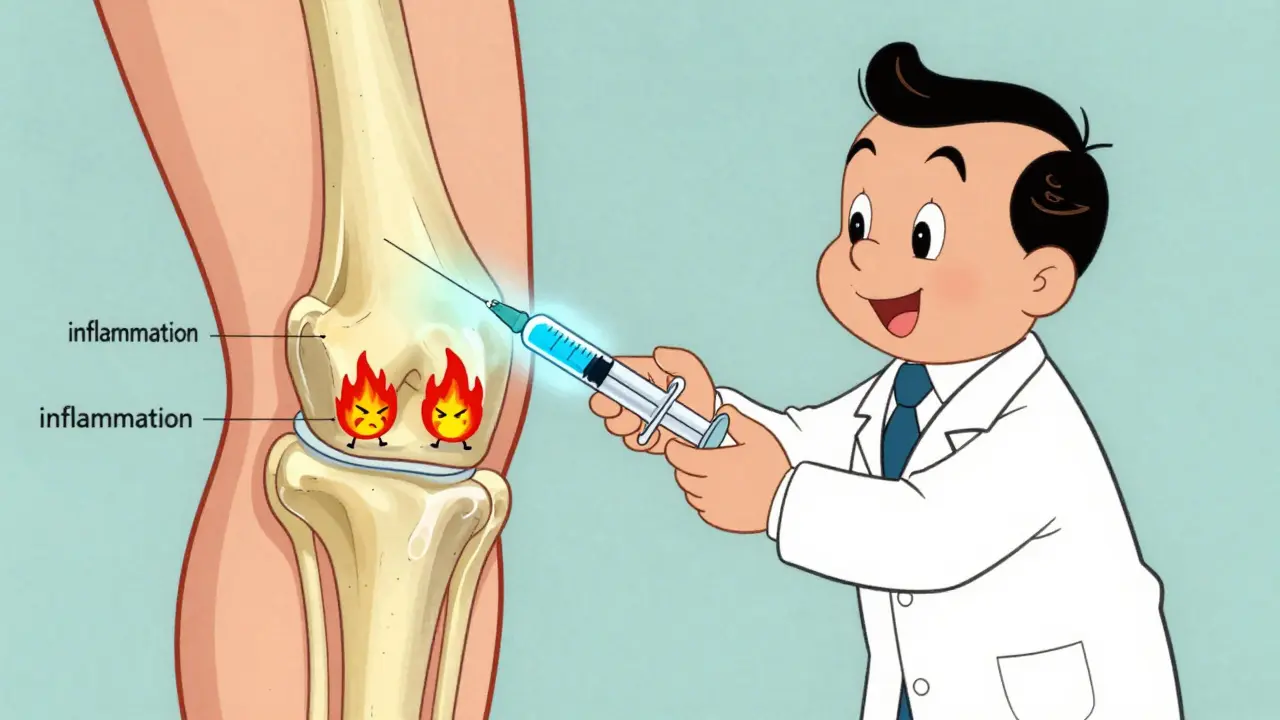
To understand why these shots work so fast, we have to look at what happens inside your body. When a joint is inflamed-whether from arthritis, a tendon injury, or bursitis-it sends out distress signals. Your immune system releases chemicals like interleukin-1, interleukin-6, and tumor necrosis factor-alpha. These chemicals cause swelling, heat, and that deep ache you feel.
A corticosteroid injection delivers synthetic versions of cortisol, a hormone your adrenal glands naturally produce, directly into the affected area. Think of it as turning off the alarm system. Once the medication enters the joint space, it binds to receptors inside your cells. This triggers a chain reaction that stops those inflammatory chemicals from being produced. It also stabilizes cell membranes and increases the viscosity of the synovial fluid (the lubricant in your joints).
The result? The swelling goes down, the pressure on nerves decreases, and the pain fades. Most people feel some relief within 24 to 72 hours, especially since doctors usually mix the steroid with a local anesthetic like lidocaine for immediate comfort.
Who Should Get a Joint Injection?
Not every ache and pain needs a shot. Corticosteroid injections are most effective for specific conditions where inflammation is the primary driver of pain. If you have structural damage but low inflammation, a shot might not help much.
| Condition | Why It Works | Expected Relief Duration |
|---|---|---|
| Osteoarthritis Flares | Reduces synovial inflammation during acute pain spikes. | 2 to 6 weeks |
| Bursitis | Calms the inflamed fluid-filled sacs around joints (e.g., hip, shoulder). | Several weeks to months |
| Tendinitis | Decreases swelling in tendons (e.g., tennis elbow, rotator cuff). | Short-term (use with caution) |
| Rheumatoid Arthritis | Suppresses autoimmune attack on joint lining. | Variable, often longer |
| Gout Flares | Quickly reduces intense crystal-induced inflammation. | Rapid onset, days to weeks |
If you have end-stage osteoarthritis where the cartilage is completely gone, a shot won’t regrow that tissue. In fact, guidelines now recommend against using them in joints with severe structural damage because the benefits are minimal and the risks increase.
The Risks: Why Less Is More
This is the part many patients miss. Corticosteroids are powerful, but they are not harmless. The biggest rule in orthopedics is: do not overuse them.
Repeated injections can weaken tendons, making them more prone to rupture. They can also cause skin depigmentation (lightening of the skin) at the injection site and fat atrophy (dents in the skin). For diabetic patients, there is a temporary spike in blood sugar levels that lasts about 3 to 5 days after the shot. You’ll need to monitor your glucose closely during this window.
Perhaps the most concerning risk is accelerated joint degeneration. Research indicates that frequent intra-articular corticosteroid injections may increase the odds of osteoarthritis progression. If you are planning a knee or hip replacement, getting a cortisone shot within three months before surgery significantly raises the risk of infection. Always tell your surgeon if you’ve had recent injections.
Because of these risks, the American College of Rheumatology suggests limiting injections to no more than 3 to 4 times per year for any single joint. Spacing them out by at least 3 months allows the tissue to recover and minimizes long-term damage.
What to Expect During the Procedure
You don’t need to dread the appointment. The procedure is quick, usually taking less than 10 minutes. Here is the typical flow:
- Cleaning and Numbing: The doctor cleans the skin with an antiseptic. They may use a topical numbing cream or a small needle to inject a local anesthetic first.
- Guidance: For larger joints like the knee or shoulder, many doctors use ultrasound guidance. This isn’t just for show; studies show ultrasound guidance increases accuracy from 70% to 95%, ensuring the medicine goes exactly where it needs to.
- The Injection: You’ll feel a pinch as the needle enters, followed by a sensation of pressure as the fluid fills the joint space. It shouldn’t be painful.
- Aftercare: You can usually leave immediately. Rest the joint for 24 to 48 hours. Avoid heavy lifting or strenuous exercise during this time to prevent "post-injection flare," a temporary worsening of pain caused by crystal irritation.
Alternatives to Consider
If you’ve hit your limit on cortisone shots, or if your condition doesn’t respond well, what else is there? The landscape of joint care has expanded, though options vary in cost and evidence.
- Physical Therapy: Often the best long-term solution. Strengthening the muscles around the joint takes pressure off the damaged structures.
- Viscosupplementation (Hyaluronic Acid): These injections add lubricant to the joint. They are more expensive ($500-$1,000 per shot) and take longer to work, but they don’t carry the same tissue-weakening risks as steroids.
- Platelet-Rich Plasma (PRP): PRP uses your own blood to promote healing. While popular, evidence for its superiority over steroids in the short term is mixed. It is significantly more costly ($500-$1,500) and rarely covered by insurance.
- Extended-Release Steroids: Newer formulations like Zilretta (extended-release triamcinolone acetonide) are FDA-approved for osteoarthritis. They aim to provide relief for up to 12 weeks compared to the standard 2-4 weeks, potentially reducing the number of needles needed.
Making the Right Choice for Your Joints
Corticosteroid injections are a tool, not a cure. They are incredibly valuable for breaking the cycle of pain and allowing you to engage in physical therapy or daily activities without agony. But they work best when used sparingly and strategically.
If you are considering a shot, ask your doctor: "Is my pain primarily inflammatory?" and "How many times have I had this injection in the last year?" If the answer to the second question is more than three, it might be time to explore other avenues. Protecting your joint structure is always more important than chasing temporary numbness.
How long does a cortisone shot last?
For most people, pain relief lasts between 2 to 6 weeks. However, some patients experience relief for several months. The duration depends on the condition being treated, the joint involved, and individual metabolic factors. Standard steroids typically wear off faster than newer extended-release formulations.
Can cortisone shots cause diabetes?
No, cortisone shots do not cause diabetes. However, they can temporarily raise blood sugar levels in people who already have diabetes or prediabetes. This spike usually occurs within 24 hours and lasts for 3 to 5 days. Diabetic patients should monitor their glucose closely after the procedure.
Is it safe to get a cortisone shot in the knee every month?
No, it is generally not recommended. Most guidelines suggest limiting injections to 3 or 4 times per year per joint. Monthly injections increase the risk of tendon weakening, cartilage damage, and accelerated osteoarthritis. If monthly shots are needed, your doctor should evaluate alternative treatments.
Does insurance cover cortisone injections?
Most insurance plans cover cortisone injections when deemed medically necessary for conditions like arthritis or bursitis. Without insurance, costs range from $100 to $300 per injection. Coverage limits may apply regarding frequency (e.g., max 4 per year).
What is post-injection flare?
Post-injection flare is a temporary increase in pain and swelling that occurs in 2-8% of patients within 24-48 hours after the shot. It is caused by the crystalline nature of the steroid irritating the joint lining. It usually resolves on its own with ice packs and over-the-counter anti-inflammatories.