
Adverse Event Reporting: Why Pharmacists Must Monitor Generic Drug Safety
 Jul, 21 2026
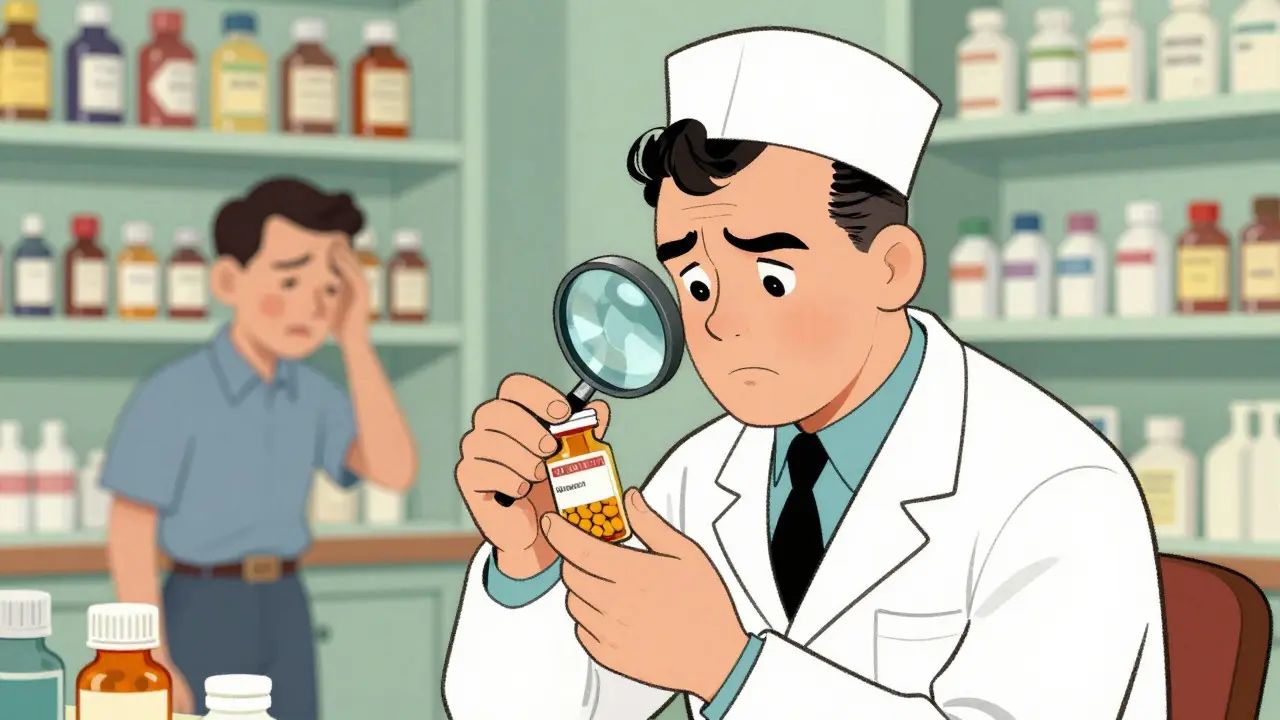
Imagine you pick up a prescription for a common blood pressure medication. It’s the same pill you’ve taken for years, but this time it’s from a different manufacturer-a generic version. A few days later, you develop a severe rash or unexpected dizziness. Is it just bad luck? Or is there a subtle difference in how your body reacts to this specific batch?
This scenario highlights a critical gap in patient safety that often goes unnoticed. While generic medications are required to be bioequivalent to their brand-name counterparts, they can contain different inactive ingredients (excipients) or vary slightly in manufacturing processes. These differences can trigger adverse drug reactions (ADRs) in sensitive individuals. This is where pharmacists step in as the frontline defense.
The responsibility for monitoring and reporting these events falls heavily on pharmacy professionals. Yet, despite being the most accessible healthcare providers, pharmacists face significant barriers to effective reporting. Understanding the mechanics of adverse event reporting, the regulatory landscape, and the practical steps to overcome under-reporting is essential for ensuring patient safety in the era of widespread generic use.
The Pharmacist's Role in Pharmacovigilance
Pharmacovigilance is the science and activities relating to the detection, assessment, understanding, and prevention of adverse effects or any other drug-related problems. Within this framework, the pharmacist acts as a crucial link between the patient experience and regulatory bodies like the FDA or Health Canada.
Why pharmacists? Because they are uniquely positioned. Unlike physicians who may see a patient briefly every few months, pharmacists interact with patients at the point of dispensing. They have immediate access to the full medication history and can observe real-time reactions. According to the Ontario College of Pharmacists, an adverse drug reaction is defined as "a harmful and unintended effect from use of a health product." For generics, this definition holds true, but the challenge lies in attribution. Patients often assume generics are identical in every way, leading them to dismiss mild side effects or fail to connect new symptoms to a recent switch in manufacturers.
The American Society of Health-System Pharmacists (ASHP) states that pharmacists possess the clinical training necessary to distinguish between expected side effects and true adverse reactions. This expertise allows them to identify patterns that might otherwise be missed. For instance, if multiple patients report similar gastrointestinal issues after switching to a specific generic statin, a vigilant pharmacist can flag this potential trend before it becomes a widespread public health issue.
Regulatory Frameworks and Legal Obligations
The legal requirement for pharmacists to report adverse events varies significantly by jurisdiction, creating a complex patchwork of obligations. In some regions, reporting is mandatory; in others, it is strongly encouraged but not legally enforced.
In British Columbia, Canada, the regulations are explicit. Section 12(7) of the Health Professions Act Bylaws mandates that pharmacists must notify the patient's practitioner, update the PharmaNet record, and report the reaction to Health Canada. This codified responsibility ensures that pharmacists cannot overlook serious safety signals. Similarly, in New Jersey, consultant pharmacists are required to report drug defects and adverse reactions to the Adverse Event Reporting System in accordance with ASHP-USP-FDA recommendations, with documentation required within the employee shift.
In contrast, federal U.S. law does not currently mandate healthcare professionals to submit adverse drug event reports directly to the FDA. However, the FDA strongly encourages reporting, particularly for serious adverse events. Serious events are defined as those resulting in death, life-threatening conditions, hospitalization, persistent disability, or congenital anomalies. The reliance on voluntary reporting creates a significant data gap. Approximately 98% of reports entering the FDA Adverse Event Reporting System (FAERS) come from pharmaceutical manufacturers, who receive them from healthcare providers. This indirect route can delay the identification of emerging safety issues.
The Challenge of Generic Medication Safety
Generic drugs account for the vast majority of prescriptions filled today. They are approved based on bioequivalence, meaning they deliver the same amount of active ingredient into the bloodstream over the same period as the brand name. However, bioequivalence does not guarantee identical clinical performance for every individual.
Differences in excipients-fillers, binders, and coatings-can affect absorption rates or cause allergic reactions. Dr. Michael Cohen, President of the Institute for Safe Medication Practices, notes that "when patients experience unexpected reactions to generics, pharmacists are often the first to recognize potential bioequivalence issues or excipient-related problems." These subtle differences are rarely captured in initial clinical trials, which focus on the active ingredient. Post-market surveillance, driven by pharmacist reports, fills this knowledge gap.
Under-reporting is a recognized problem. Health Canada estimates that only 5-10% of all adverse drug reactions are reported through official channels. Generic medications likely suffer from even lower reporting rates due to the assumption of equivalent safety profiles. If a patient feels fine on Brand X but experiences nausea on Generic Y, they may simply ask their doctor to switch back, never documenting the adverse event. Without this data, regulators remain blind to potential formulation flaws.
Barriers to Effective Reporting
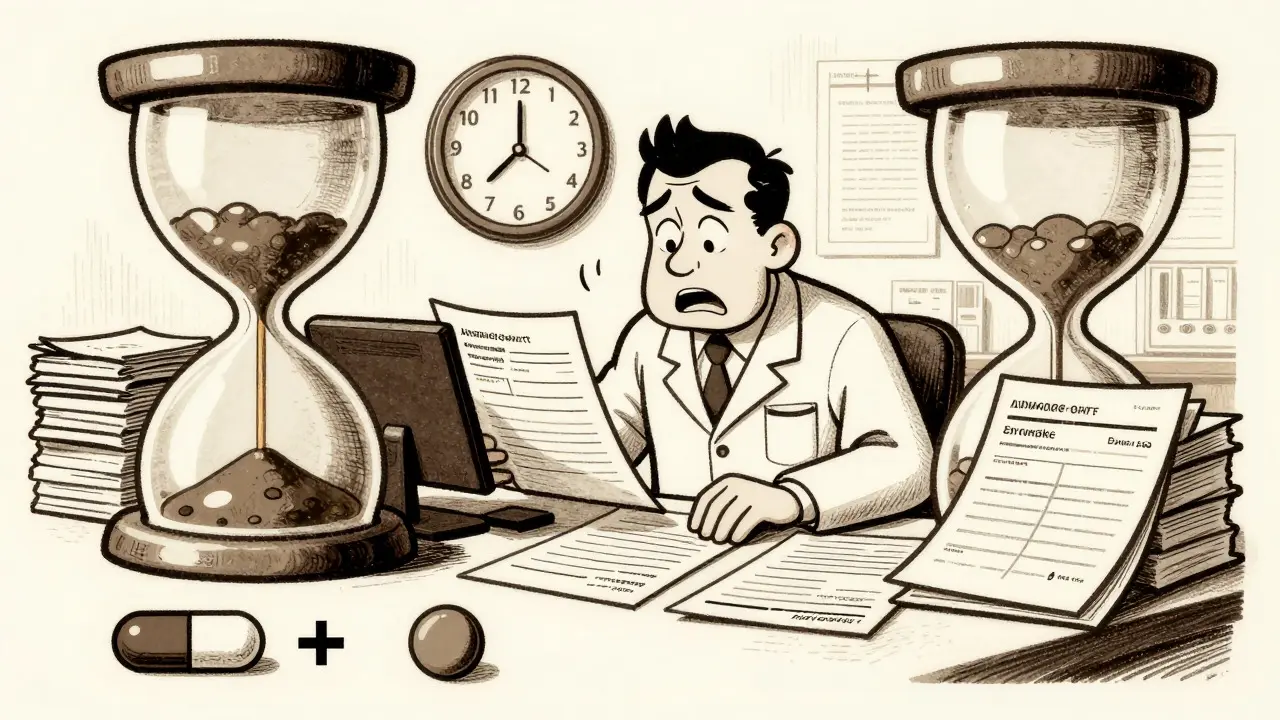
Even when pharmacists want to report, systemic barriers stand in the way. Time is the most significant constraint. A 2021 survey by the National Community Pharmacists Association found that 78% of community pharmacists spend 15-30 minutes per adverse event report. With high prescription volumes and limited staff, finding this time during work hours is difficult. Consequently, 62% cited insufficient time as the primary barrier to reporting.
Documentation requirements also vary by setting. Hospital pharmacists often benefit from electronic health record (EHR) systems with built-in reporting modules, streamlining the process. Community pharmacists, however, frequently rely on paper forms or online portals like the FDA’s MedWatch program. Navigating these platforms can be cumbersome, especially without dedicated administrative support. Additionally, a lack of awareness about what constitutes a reportable event contributes to under-reporting. Many pharmacists struggle to distinguish between minor, expected side effects and serious adverse reactions that warrant formal notification.

Technological Solutions and Future Trends
To address these challenges, technological innovations are reshaping the reporting landscape. The FDA’s MedWatch Online system has seen increased adoption, with 43% of healthcare professional reports submitted electronically in 2022, up from 29% in 2020. More importantly, integration efforts are underway to embed reporting functionality directly into pharmacy practice management systems.
The National Association of Boards of Pharmacy (NABP) has partnered with 32 state boards to integrate adverse event reporting tools into existing software. Pilot programs in California and Texas demonstrated a 40% reduction in reporting time, making it feasible for busy pharmacists to comply with best practices. As these integrations expand, the friction associated with manual data entry will decrease, potentially boosting reporting rates.
Looking ahead, regulatory trends suggest a move toward mandatory reporting. The European Medicines Agency implemented mandatory ADR reporting for all healthcare professionals in 2012, resulting in a 220% increase in reporting rates. Industry analysts predict that by 2025, 75% of U.S. states will adopt formal requirements similar to British Columbia’s model. This shift reflects growing recognition that pharmacist-led surveillance is vital for early detection of medication safety issues, particularly for generics where subtle formulation differences can have outsized impacts on vulnerable populations.
| Jurisdiction | Mandatory Reporting? | Primary Database/System | Key Requirement |
|---|---|---|---|
| British Columbia, Canada | Yes | Health Canada / PharmaNet | Notify practitioner, update record, report to Health Canada |
| New Jersey, USA | Yes (Consultant Pharms) | FDA FAERS | Document in medical record before end of shift |
| USA (Federal) | No (Voluntary) | FDA FAERS / MedWatch | Strongly encouraged for serious events |
| European Union | Yes | EMA EudraVigilance | Mandatory for all healthcare professionals since 2012 |
Practical Steps for Pharmacists
For pharmacists committed to enhancing patient safety, adopting a proactive approach to adverse event reporting is essential. Here are actionable steps to improve reporting efficacy:
- Educate Patients: Inform patients about the possibility of different reactions to generic medications. Encourage them to report any new or worsening symptoms immediately.
- Leverage Technology: Utilize integrated reporting tools within your pharmacy management system. If unavailable, bookmark the FDA MedWatch portal or local equivalent for quick access.
- Document Thoroughly: Ensure records include the patient’s name, medical history, medication details (including manufacturer and lot number), and a clear description of the suspected reaction. Detailed documentation aids regulatory analysis.
- Collaborate with Prescribers: Notify the prescribing physician of any suspected adverse reactions. This facilitates coordinated care and reinforces the importance of the report.
- Stay Informed: Keep up-to-date with regulatory changes and guidelines from organizations like ASHP and NABP. Regular training on distinguishing adverse reactions from side effects can boost confidence in reporting decisions.
By embracing these practices, pharmacists can transform from passive dispensers to active guardians of medication safety. Every report contributes to a larger dataset that protects future patients from preventable harm.
Is adverse event reporting mandatory for pharmacists in the United States?
At the federal level, adverse event reporting is voluntary but strongly encouraged by the FDA. However, some states like New Jersey have specific mandates for certain roles, such as consultant pharmacists. Regulatory trends are moving toward more mandatory requirements, similar to models in Canada and Europe.
Why are generic medications prone to adverse event reporting issues?
While generics are bioequivalent, they may contain different inactive ingredients (excipients) or have slight variations in manufacturing. These differences can cause unique reactions in sensitive individuals. Under-reporting occurs because patients and providers often assume generics are identical to brand names, dismissing unexpected side effects.
What is the FDA MedWatch program?
MedWatch is the FDA’s safety information and adverse event reporting program. It allows healthcare professionals and consumers to submit reports of adverse events, medication errors, and product quality complaints. The online portal streamlines the submission process, reducing the time required for reporting.
How much time does it take to file an adverse event report?
Surveys indicate that community pharmacists spend approximately 15-30 minutes per report. This time investment is a significant barrier, leading many to cite insufficient time as the primary reason for under-reporting. Integrated technology solutions aim to reduce this time by up to 40%.
What defines a serious adverse drug reaction?
A serious adverse reaction typically results in death, is life-threatening, requires hospitalization or prolongation of existing hospitalization, causes persistent or significant disability/incapacity, results in a congenital anomaly/birth defect, or requires intervention to prevent permanent impairment. These events prioritize immediate reporting.
How can pharmacists improve patient awareness of generic drug safety?
Pharmacists should actively counsel patients on the possibility of different reactions to generic formulations. Providing clear instructions on what symptoms to watch for and encouraging open communication helps ensure that adverse events are identified and reported promptly rather than ignored.