
Infographics About Generics: Visual Education Tools for Patient Understanding
 May, 19 2026
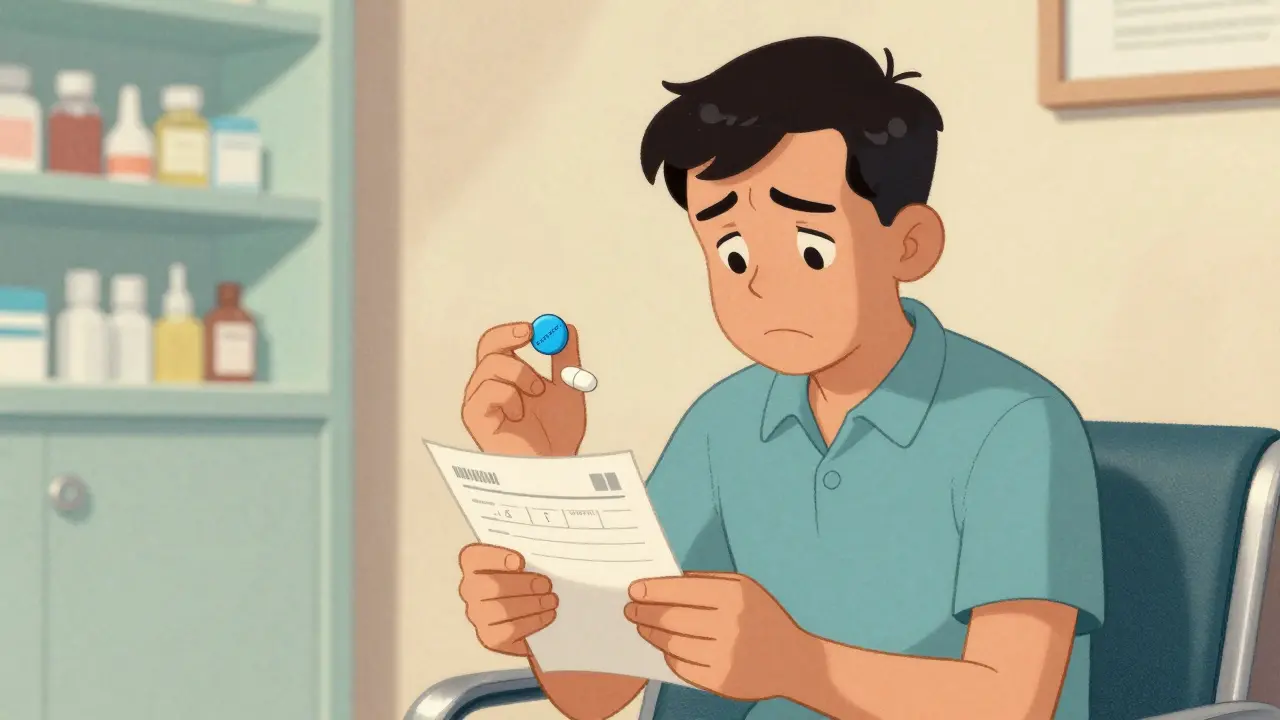
Imagine sitting in a pharmacy waiting room, clutching a prescription that looks nothing like the pill you took last month. The shape is different. The color is off. Even the imprint code has changed. Your heart starts racing. Is this safe? Did the pharmacist make a mistake? This anxiety is real, and it affects millions of people every year. But there is a better way to bridge the gap between confusion and confidence: infographics about generics.
These visual education tools are not just pretty pictures. They are carefully designed scientific bridges that help patients understand why their new medication is safe, effective, and identical in performance to the brand-name version they knew before. As healthcare costs rise and generic utilization hits record highs, these graphics have become essential instruments for clear communication.
The Urgency Behind the Visuals
Generic drugs are the backbone of modern medicine, yet skepticism lingers. According to data from the U.S. Food and Drug Administration (FDA), more than 90% of prescriptions filled in the United States are for generic drugs as of 2023. Despite this massive adoption rate, trust remains fragile. A 2021 patient perception study by the FDA revealed that 43% of surveyed patients still expressed concerns about the effectiveness of generic medications compared to their brand-name counterparts.
This disconnect creates a costly problem. When patients refuse generic substitutions due to fear or misunderstanding, healthcare systems lose out on significant savings. The Congressional Budget Office estimated that generic drugs saved the U.S. healthcare system $1.68 trillion over the decade from 2010 to 2019. Closing the knowledge gap isn't just about science; it's about economic sustainability and ensuring equitable access to care for everyone.
Why do so many patients still distrust generic drugs?
Distrust often stems from visible differences in appearance, such as color, shape, or size, which lead patients to believe the drug's potency has changed. Additionally, lack of understanding regarding inactive ingredients and the rigorous regulatory approval process fuels skepticism. Studies show nearly half of patients harbor concerns about efficacy despite evidence of equivalence.
How Infographics Decode Complex Science
The core mission of these visual tools is to translate dense regulatory science into digestible insights. The FDA launched its comprehensive generic drug education initiative in 2017, following the reauthorization of the Generic Drug User Fee Amendments (GDUFA). These materials aim to visually demonstrate therapeutic equivalence-the concept that a generic drug performs in the same way within the body as the brand-name drug.
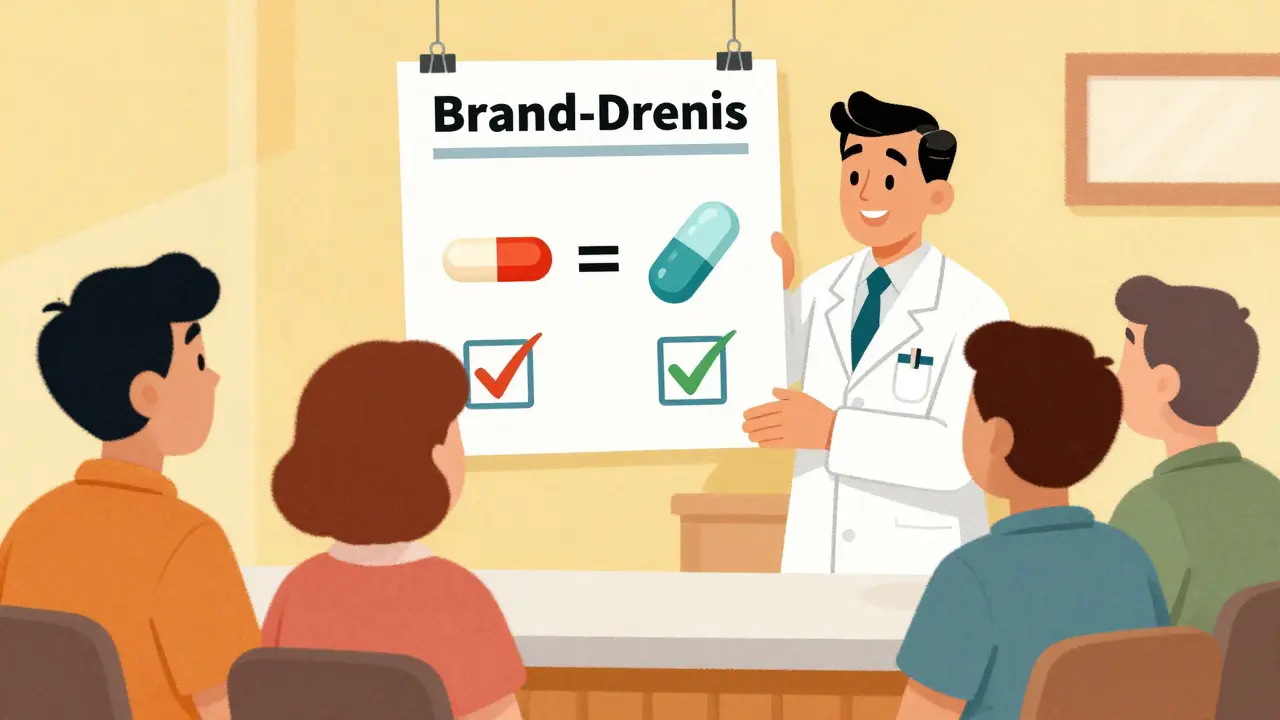
Take the bioequivalence concept, for example. It is difficult to explain verbally how two pills can be different but act the same. The FDA’s infographic titled "What Makes a Generic the Same as a Brand-Name Drug?" tackles this head-on. It uses comparative dissolution rate graphs to show how both drugs release their active ingredients at similar speeds. In validation studies, 89% of test participants correctly interpreted these visuals, compared to only 67% accuracy with non-FDA materials, according to independent research published in the *Journal of Health Communication* in 2021.
Dr. Janet Woodcock, former Director of the FDA Center for Drug Evaluation and Research, noted in a 2022 webinar that these infographics increased patient understanding of generic drug equivalence by 40% compared to text-only materials. By simplifying complex pharmacokinetic data into clear charts and timelines, these tools empower patients to ask informed questions rather than voice unfounded fears.
Technical Standards and Accessibility
Behind every effective infographic lies strict adherence to technical and accessibility standards. These resources are primarily distributed as downloadable PDF files, optimized for both digital viewing and physical printing. FDA infographics typically range from 142KB to 958KB in file size. For instance, the "Facts About Generic Drugs" infographic measures 239KB, while the more detailed "Exclusivity and Generic Drugs: What Does It Mean?" weighs in at 469KB.
They are designed with high-resolution (300 DPI) formats using CMYK color profiles, ensuring professional quality when printed in clinics or pharmacies. Standard dimensions include 8.5 x 11 inches for easy distribution and 16 x 20 inches for larger display purposes in waiting areas.
Crucially, accessibility is built into the design framework. These materials meet WCAG 2.1 AA standards for high-contrast color schemes, making them readable for individuals with visual impairments. They also include alt text for screen readers and use simplified language targeting an 8th-grade reading level, verified by Flesch-Kincaid readability tests. Before publication, the FDA conducts patient comprehension testing with at least 30 diverse participants. Their 2022 methodology report shows average comprehension scores of 87% across tested concepts, proving that clarity is prioritized over complexity.
Comparing Major Educational Resources
Not all generic drug infographics are created equal. Different organizations approach patient education with distinct focuses. The FDA concentrates on regulatory science and equivalence standards, providing a standardized suite of materials. In contrast, the GTMRx Institute emphasizes comprehensive medication management (CMM) within broader healthcare systems, offering interactive digital elements that link to case studies.
Here is how the major players compare:
| Provider | Primary Focus | Language Support | Interactive Features | Health Equity Coverage |
|---|---|---|---|---|
| FDA | Regulatory Science & Equivalence | 100% in Spanish | Static PDFs | Dedicated handout on disparities |
| GTMRx Institute | Comprehensive Medication Management | 30% in Spanish | Clickable sections, case links | Limited specific coverage |
| BeMedWise | Patient Safety & Tracking | English primary | Medication logs integration | Minimal generic focus |
A key distinction lies in multilingual accessibility. The FDA offers 100% of its generic drug resources in Spanish under the title "Medicamentos Genéricos," whereas GTMRx provides only 30% of materials in Spanish. This gap matters significantly, especially given that health equity considerations are often underrepresented. An academic analysis from the University of California, San Francisco (2022) highlighted that only the FDA’s "Generic Drugs and Health Equity Handout" specifically addresses how generic medications reduce disparities in access for minority populations. This is vital context, considering that 34.7% of African American and 28.3% of Hispanic patients report higher concerns about generic medication quality compared to 22.1% of White patients, according to Kaiser Family Foundation data from 2023.
Real-World Impact in Healthcare Settings
The true test of any educational tool is its practical utility in clinical environments. At Kaiser Permanente’s Southern California region, post-implementation surveys from Q3 2022 showed that 78% of pharmacists regularly used FDA generic drug infographics during patient consultations. More importantly, 63% reported a reduction in patient refusal of generic substitutions after using these visuals.
Pharmacists on Reddit’s r/pharmacy community echoed these findings. In March 2023, multiple professionals noted that the "What Makes a Generic the Same as a Brand-Name Drug?" infographic consistently calmed anxious patients about appearance differences. One top comment, receiving 142 upvotes, stated, "I've printed this and keep it behind the counter - cuts counseling time in half for generic questions." This efficiency gain allows healthcare providers to spend less time debunking myths and more time focusing on personalized care plans.
However, feedback is not universally positive. Patient forum discussions on Inspire.com in May 2023 revealed that 29% of users found the scientific terminology in some FDA infographics "still too complex," particularly criticizing the dissolution rate graphs. Furthermore, Dr. Aaron Kesselheim of Harvard Medical School pointed out in *JAMA Internal Medicine* (2022) that current infographics may oversimplify pharmacokinetic considerations for narrow therapeutic index drugs like warfarin or levothyroxin, where small variations do matter. The Institute for Safe Medication Practices (ISMP) recommended adding specific visual indicators for drugs requiring "pharmacist notification" during substitution-a feature currently missing from most standard graphics.
Implementation Strategies for Clinics
Integrating these tools into daily practice requires minimal technical expertise but demands strategic placement. The FDA reports that 87% of their generic drug education materials are accessed digitally through their website, with an average session duration of 3 minutes and 27 seconds. Most healthcare facilities simply add infographic links to patient portal education libraries or print physical copies for waiting rooms.
To maximize impact, the FDA provides a Generic Drugs Stakeholder Toolkit. This includes sample social media posts, information cards, and case studies. Clinics using the full toolkit saw a 22% increase in patient generic medication acceptance within six months. Common challenges include staff familiarity and keeping physical copies updated. The FDA addresses the former with a 15-minute online training module, completed by over 12,450 healthcare professionals in 2022, and the latter with a quarterly email update service subscribed to by 8,300 users.
Future Trends and Digital Evolution
The landscape of patient education is evolving rapidly. The global market for pharmaceutical patient education materials reached $2.3 billion in 2022, growing at a compound annual rate of 7.2%, driven by increasing generic utilization and regulatory requirements. Current developments point toward greater interactivity and personalization.
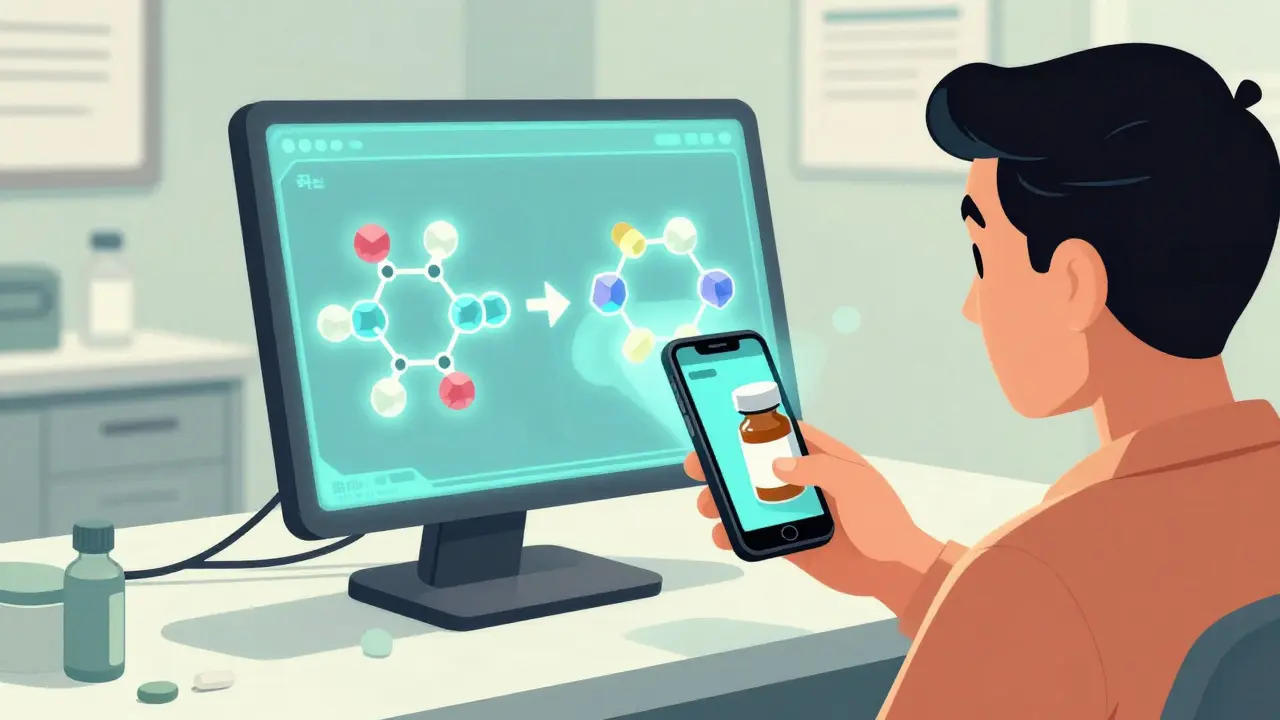
In January 2023, the GTMRx Institute launched interactive digital infographics allowing users to input specific medication regimens to see personalized complexity assessments. Early data showed a 27% improvement in patient understanding compared to static versions. Looking ahead, the FDA plans to integrate augmented reality features by Q2 2024. A prototype demonstrated at the 2023 Digital Health Innovation Summit allows patients to scan medication bottles and view 3D molecular comparisons of brand and generic versions directly on their smartphones.
As electronic health records become more integrated, platforms like Epic Systems have already added FDA generic drug infographics to their patient education modules, resulting in 450,000 patient views in the first six months alone. With bipartisan support for generic drug education evident in recent legislation, including the 2022 Lower Drug Costs Now Act, the future of these visual tools looks robust. They are no longer just supplementary aids; they are critical components of transparent, cost-effective, and equitable healthcare delivery.
Are generic drugs really as safe as brand-name drugs?
Yes. The FDA requires generic drugs to be bioequivalent to brand-name drugs, meaning they must deliver the same amount of active ingredient into a patient's bloodstream in the same amount of time. They undergo rigorous testing for safety, efficacy, and quality control, ensuring they perform identically to the original product.
Why do generic pills look different from brand-name ones?
Generic manufacturers cannot use the exact same color, shape, or imprint as the brand-name drug due to trademark laws. However, the active pharmaceutical ingredient is identical. Differences in appearance are due to inactive ingredients like fillers or binders, which do not affect the drug's therapeutic effect.
Can I switch between different generic manufacturers?
In most cases, yes. All approved generics must meet the same strict FDA standards. However, for "narrow therapeutic index" drugs (like warfarin or levothyroxine), where tiny dosage changes can have significant effects, doctors may recommend staying with one specific manufacturer to ensure consistency.
Where can I find reliable generic drug infographics?
The U.S. FDA website offers a comprehensive library of free, downloadable infographics in English and Spanish. These resources are vetted for accuracy and accessibility. Additionally, reputable organizations like the GTMRx Institute and BeMedWise provide supplemental educational materials focused on medication management and safety.
How much money do generic drugs save?
Generic drugs are significantly cheaper than brand-name equivalents. The Congressional Budget Office estimates that generics saved the U.S. healthcare system $1.68 trillion between 2010 and 2019. Current annual savings are projected at over $313 billion, helping to lower overall healthcare costs for individuals and insurers alike.