
How to Create a Family Overdose Emergency Plan for Medications: A Complete Guide
 Mar, 27 2026
Why You Need a Plan Before the Crisis Hits
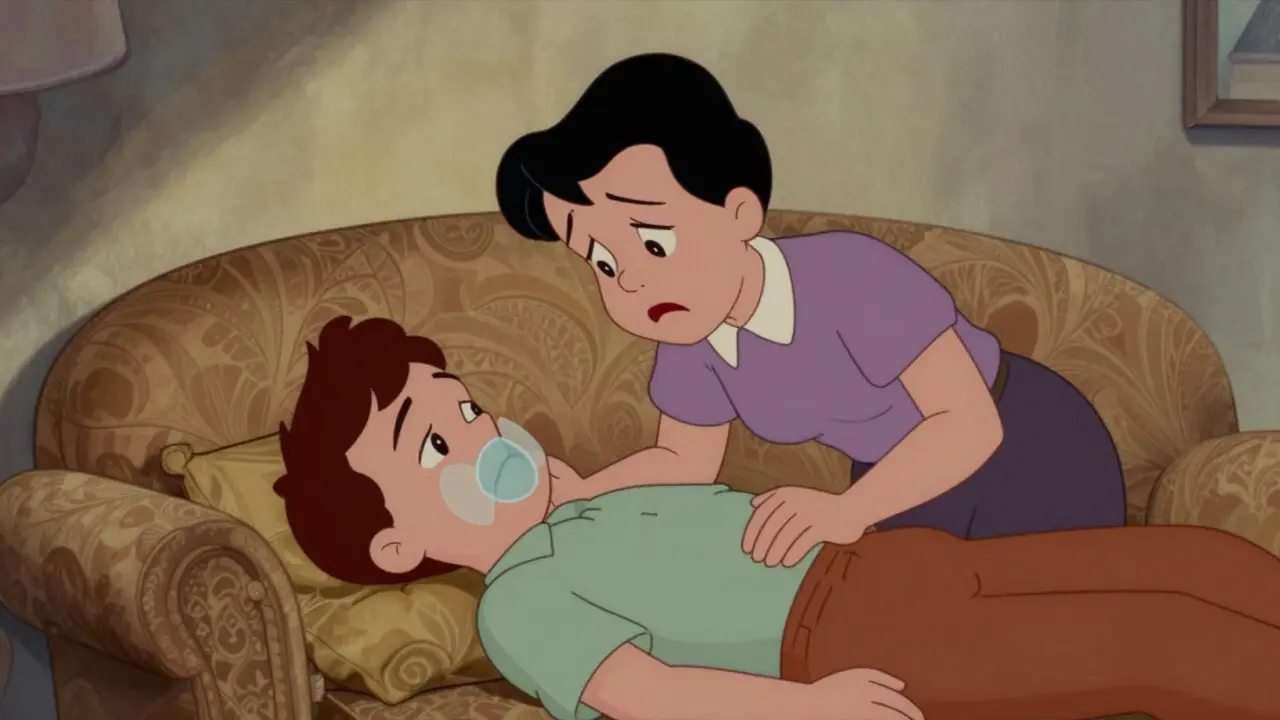
Imagine finding a loved one unresponsive on the couch. In that split second, you need to know exactly what to do. There is no time to look up instructions online. According to recent health data, approximately 108,000 Americans died from drug overdoses in 2022 alone. While those numbers reflect a specific region, the reality of respiratory failure during a medication overdose, especially involving opioids, affects households everywhere. The most critical window for survival is just four to six minutes before permanent brain damage occurs. Having a Family Overdose Emergency Plana structured protocol designed to prepare households for potential medication overdose incidents isn't just paperwork; it is the difference between tragedy and recovery.
You might think this doesn't apply to your home because you aren't an addict. However, prescription painkillers are involved in millions of cases annually. Even one-time misuse, or accidental ingestion by children, can lead to rapid respiratory arrest. Experts like Dr. Nora Volkow from the National Institute on Drug Abuse compare having a plan to having a fire extinguisher: you hope never to use it, but its presence saves lives when seconds matter. The goal of this guide is to walk you through building a practical, life-saving document that works for your specific household.
Identifying the Warning Signs of an Overdose
The first step in any emergency plan is recognizing that there is an emergency. Many families mistake overdose for sleeping, particularly if a person is found unconscious after taking medication. This delay costs precious time. You must train every adult and capable teenager in your house to spot the three critical signs specified by the American Heart Association guidelines.
- Unresponsiveness: The person does not wake up when you shake their shoulders and shout loudly.
- Abnormal Breathing: Look for breathing slower than 12 breaths per minute, or irregular gaps between breaths.
- Pinpoint Pupils: Their eyes show very small pupils, often smaller than usual even in bright light.
If you see these signs, you must act immediately. Do not wait to see if they "sleep it off." Synthetic opioids like fentanyl can cause unconsciousness within two to three minutes. Recognizing these symptoms quickly triggers the rest of your plan. It transforms a moment of panic into a moment of action.
| Sign | Normal Sleep | Possible Overdose |
|---|---|---|
| Breathing Rate | Regular rhythm | Slow (<12/min) or stopped |
| Responsiveness | Wakes up to shaking/shouting | No response to stimuli |
| Skin Color | Natural color | Clammy skin, blue lips/fingernails |
Gathering and Managing Your Rescue Medication
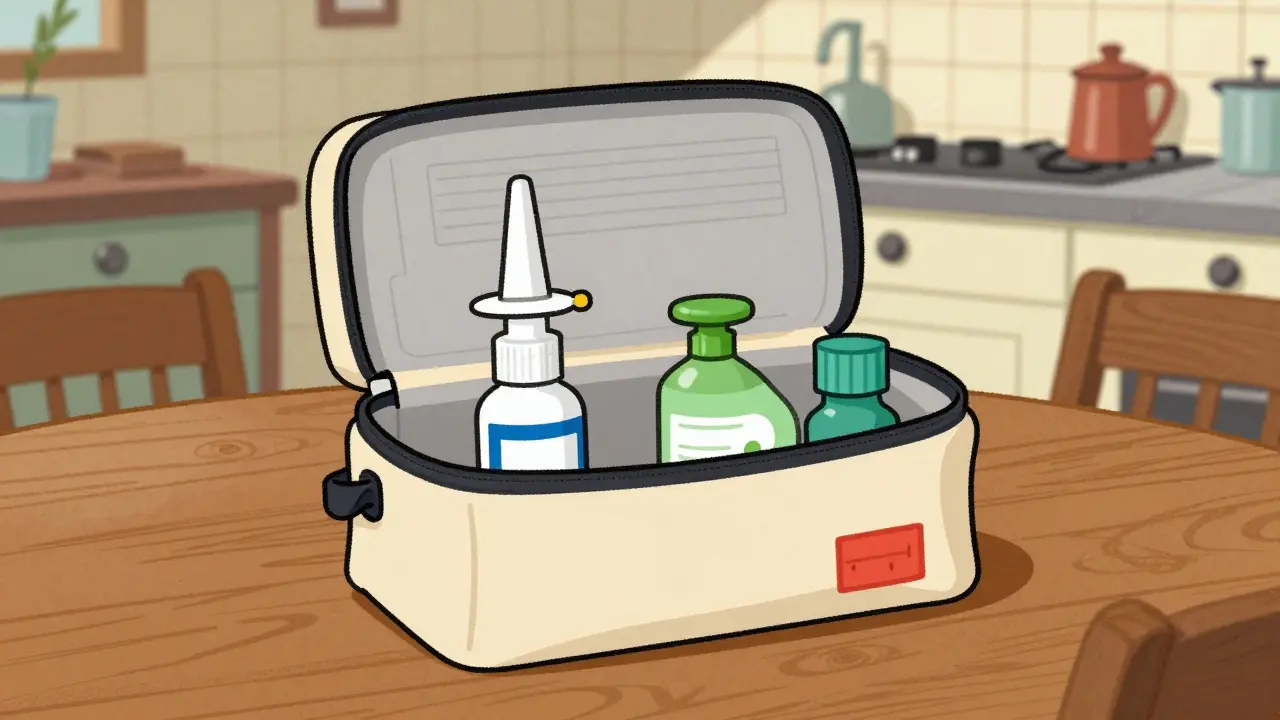
Your plan relies heavily on access to Naloxonea medication used to reverse opioid overdose effects rapidly. This drug blocks opioid receptors, reversing respiratory depression within minutes. Depending on your location and healthcare system, this might come in nasal spray form or as an injection kit. If you prescribe opioids at home, doctors are increasingly encouraged to provide this as a standard precaution. If you don't have a prescription, check local pharmacies or community health programs for access.
Storage matters. Heat and light can degrade the medicine. Keep your kits at room temperature, ideally between 68°F and 77°F (20°C-25°C), away from direct sunlight. Place them where everyone knows they are-perhaps in a central emergency bag, not locked in a drawer where you waste time finding keys. Most experts recommend keeping at least two doses ready, as potent synthetic opioids may require multiple administrations. Always track expiration dates every 18 months. An expired kit is like an empty fire extinguisher: it looks useful until you need it.
Creating the Step-by-Step Response Sequence
A plan is useless if it stays hidden in a folder. You need a clear sequence of actions written down and visible. Think of it as a recipe for saving a life. The A.N.C.H.O.R. protocol is widely recognized and easy to remember:
- Assess: Check responsiveness and breathing immediately.
- Naloxone: Administer the antidote right away.
- Call 911: Dial emergency services immediately. Don't worry about calling for help; laws protect helpers in most regions.
- Have Additional Dose Ready: Prepare a second dose in case the first one doesn't work fully.
- Observe: Watch for breathing changes and listen to their sounds.
- Review: Afterward, review what worked and update the plan.
Make sure to include emergency contact numbers on the card you keep near the naloxone. Include the phone number for your local ambulance service, your doctor, and any relevant poison control centers. Keep a laminated copy inside your kitchen emergency binder so anyone entering the home can find it instantly.
Managing the "Renarcotization" Risk
This is a concept many plans miss, yet it kills survivors. Naloxone typically lasts longer than some potent opioids. Once the person wakes up and breathing returns, you might think the danger is passed. But as the drug wears off, the opioids in their system can take hold again. This is called renarcotization, usually happening within two to four hours. Your plan must specify that someone stays with the patient for several hours after the incident. Monitoring breathing during this period is non-negotiable. If they stop breathing again, administer another dose immediately and return to the A.N.C.H.O.R. sequence.
Some scenarios involve complex situations, such as mixing alcohol or benzodiazepines with opioids. These substances require different monitoring strategies because naloxone doesn't reverse them. While a family plan focuses primarily on opioid reversal, knowing your specific medication history helps emergency responders decide the next steps. Be honest with the medical team about everything taken to get the right treatment quickly.

Training and Maintaining the Team
Writing a plan is only half the battle. You need muscle memory. Studies suggest that while people feel confident after reading instructions, actual retention drops over time without practice. Aim for monthly 10-minute refreshers. Practice how to insert a nasal spray or hold an auto-injector with a demonstration kit. Make sure teenagers in the house understand the protocol too; statistically, adolescents are often present during these crises. Overcome the psychological barrier of thinking this could never happen to you. Training builds confidence that prevents hesitation when the worst-case scenario occurs.
Legal Protections and Privacy
Fear of getting in trouble often stops families from calling for help. However, Good Samaritan laws exist in many jurisdictions specifically to encourage rescue attempts. In places like the United States, possession and administration of naloxone carry full legal protection. Regardless of location, calling emergency services during a medical crisis is protected in most modern legal frameworks. Your priority is saving a life, not avoiding a citation. Emergency responders are trained to assist without judgment, though laws differ by country. Verify the specific protections in your area to add that confidence boost to your preparedness strategy.
Post-Incident Support and Follow-Up
An event is a trauma. Even if naloxone saves the day, the emotional fallout is significant. A solid plan includes resources for mental health support or addiction counseling. Surviving an overdose is often a turning point; nearly 90% of individuals who receive help seek treatment afterward. Your plan should list phone numbers for support groups or specialists who handle addiction and recovery. Treat the incident as a catalyst for changing medication habits or addressing underlying substance use disorders. Recovery is a process, but survival is the first necessary step.
Monique Ball
March 29, 2026 AT 13:03It is absolutely vital that we all prepare ourselves for these situations!! 💊 Everyone needs to know the signs immediately!!! The warning indicators are clear enough once you look closely!!! You cannot afford to hesitate when seconds are ticking away!!! Respiratory failure happens much faster than most people think!!! Imagine having the protocol right in your pocket during those critical moments!!! 🏥 This guide provides exactly what you need to survive such a crisis!!! We must educate ourselves before the panic sets in!!! Do not let fear stop you from learning the correct procedures!!! Knowing the breathing rates is essential for early detection!!! Pinpoint pupils are a definitive sign that requires action!!! Synthetic opioids act incredibly fast on the human body!!! You really want to save lives within your own household!!! Having a written plan changes the outcome significantly!!! We need to treat this with the urgency it demands!!! Please share this information with your neighbors too!!!
Richard Kubíček
March 30, 2026 AT 04:18Great points about the urgency involved here! It really does change how people perceive safety at home. We often overlook simple preventative measures until it is too late. Your breakdown of symptoms was very thorough actually. I hope more families read this material seriously. Preparation is truly the best medicine in emergency scenarios. We should support each other in staying informed constantly. Thanks for sharing such valuable insights clearly.
gina macabuhay
April 1, 2026 AT 01:08While enthusiasm is nice, assuming everyone can follow protocols is naive. People ignore medical advice until tragedy strikes their own door. Blaming individuals for lack of preparation rarely shifts societal responsibility. You sound like you believe paperwork stops fentanyl. Reality is far more brutal than this optimistic checklist suggests. Stop acting like a pamphlet solves systemic negligence.
walker texaxsranger
April 2, 2026 AT 18:54respiratory arrest mechanisms are heavily manipulated data points in official reports. Big pharma profits spike when emergency protocols normalize drug administration pathways. biohazard containment units suggest deeper surveillance layers than stated. pharmacological kinetics show variance in individual response windows unaccounted for. do not trust standard AHA guidelines implicitly without independent verification sources. algorithmic bias in health reporting remains unchecked by regulatory bodies
tyler lamarre
April 4, 2026 AT 07:31How quaint that you still chase these shadow narratives. Actual medical science relies on peer-reviewed consensus not paranoid speculation. Your jargon heavy approach obscures rather than clarifies the truth. Most people simply want to survive an event not decode government plots. You seem confused regarding basic physiological responses. Education beats conspiracy theories in every metric that matters.
Tony Yorke
April 6, 2026 AT 05:39Just keep naloxone handy and review the steps weekly with your family.
Sarah Klingenberg
April 6, 2026 AT 21:30Thanks for posting this info its super helpful to me :-) I think getting the whole crew ready is so important for peace of mind. We never want to face that situation ever but knowing helps soothe anxiety. Keep spreading love and knowledge around your circles please :-)
Eva Maes
April 7, 2026 AT 05:35Your naivety paints a vivid picture of misplaced optimism though. Safety nets are woven from vigilance not mere goodwill gestures. You gloss over the grim reality of chemical dependency in vulnerable demographics. Realism demands acknowledging the darkness lurking beneath domestic tranquility. Your cheerful disposition risks trivializing the lethal potential of unmonitored access.
Austin Oguche
April 8, 2026 AT 21:02Information dissemination on overdose prevention serves a critical public health function. Families require actionable strategies to mitigate risk factors effectively. Training personnel in resuscitation techniques yields higher survival rates. Community awareness builds resilience against substance misuse epidemics. Thank you for contributing such meaningful resources to our collective discourse.
Debra Brigman
April 9, 2026 AT 15:48The fabric of existence is stitched together by shared consciousness and foresight. We dance on the precipice of chaos yet choose to build ladders instead. Knowledge becomes the light that dispels the shadows of ignorance surrounding us. Your words echo the truth that connection saves souls literally. We must embrace wisdom that flows through proactive care for others.
Rachael Hammond
April 10, 2026 AT 06:20thanks for sharng this its really helpful for my familty too. i never thought bout havng a plan written down like this. makes me feel alot safer now knowing what to do quickly. we should all help eachother learn thses steps for sure. keeping kids safe is top priority alwyas of course.
Monique Louise Hill
April 10, 2026 AT 23:17It is morally imperative that you secure your environment properly 🛡️ Children are innocent victims of negligence otherwise. Every parent has a duty to enforce strict medication storage rules. Ignoring these facts shows a profound lack of ethical responsibility. Do not compromise your wards safety for convenience reasons 😠 We expect accountability from all guardians involved here.
Devon Riley
April 12, 2026 AT 22:00I understand the urge to protect loved ones deeply ❤️ Fear shouldn't drive decisions though so finding balance is key. We can create safety without instilling terror in our children. Compassionate guidance fosters better long term understanding of risks. You are doing great work advocating for safety measures 🙌 Let us support each other with grace and patience during hard times.