
Five Essential Medication Safety Tips for Seniors and Caregivers in 2026
 Mar, 31 2026
Did you know that medication mismanagement causes more preventable hospitalizations in older adults than heart disease? That number sounds impossible, but health experts confirm it. Managing prescriptions gets harder as we age. Bodies process chemicals differently, memory slips, and schedules get complicated. By 2023, adults over 65 used one-third of all prescription drugs despite being only a fraction of the population. We cannot ignore this reality.
You might be an older adult managing your own health, or perhaps a child trying to help a parent from another city. Whether you live in Wellington or across the ocean, the rules of Medication Safety is a critical practice preventing adverse events through proper storage, scheduling, and communication strategies. stay the same. These five tips come from years of study by groups like the National Institute on Aging and the American Geriatrics Society. They work because they focus on real habits, not just wishful thinking.
Maintain a Master Medication List
The biggest mistake people make is trusting their memory. Memory changes with stress, sleep, and age. You need a physical record that travels with you everywhere. A Master Medication List is a comprehensive document containing every substance you ingest regularly. This includes pills from the pharmacy, vitamins you bought at the store, and supplements recommended by friends.
Your list needs ten specific pieces of information to be useful during an emergency. Write down the medication name, how much you take (dosage), how often you take it, why you take it, when you started, who prescribed it, which pharmacy fills it, special instructions like taking it with food, side effects you have noticed, and when the bottle expires. If you do not have expiration dates, you risk taking medicine that has lost its strength or become toxic.
Keep this list updated within 24 hours of any change. When you visit a doctor for high blood pressure, bring the list. Even if you think the new drug doesn't matter, it could react badly with your morning thyroid pill. Studies show nearly 92% of pharmacists agree this single habit prevents dangerous interactions. Do not leave home for a specialist appointment without it.
Organize Your Doses Effectively
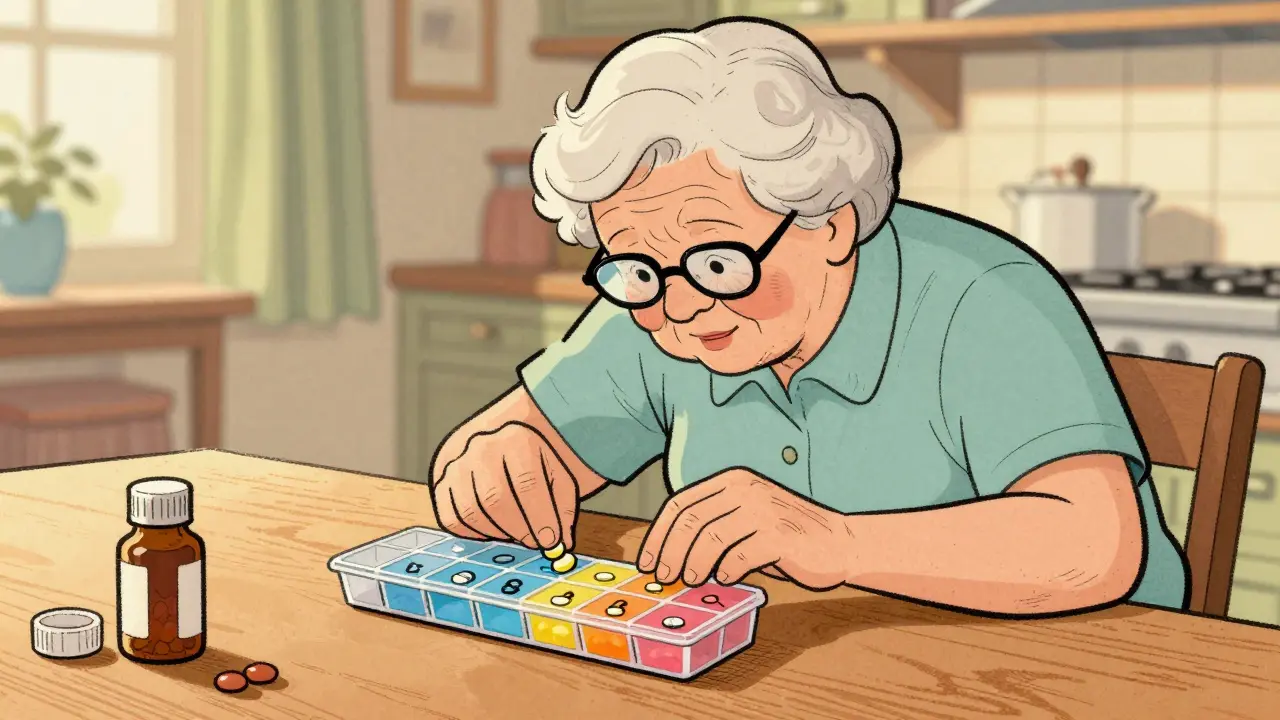
Walking into a bathroom cabinet full of white bottles is a recipe for error. Who filled which bottle? Is today Monday or Tuesday? Using a Pill Organizer is a compartmentalized tool designed to sort doses by day and time to prevent missed or doubled intake. can cut confusion significantly. Research shows color-coded systems improve adherence by almost half for seniors with mild memory issues.
You do not need expensive technology to start. Begin with a simple weekly container that has seven compartments for mornings and evenings. If you struggle with dexterity, look for large-print labels. Many pharmacies offer free large-print labels now under safety initiatives. Once you master the basics, consider smart tools. Apps track refills, but hardware like smart dispensers actually lock the dose until the right time.
| Tool Type | Best For | Cost Level | Risk Factor |
|---|---|---|---|
| Weekly Plastic Box | Mild memory lapses | Low | Mis-sorting by user |
| Smart Dispenser | Severe impairment | High | Battery failure |
| Paper Schedule | Visual learners | Free | Lost sheets |
If you are worried about privacy, remember that digital tools require accounts and subscriptions. Some seniors prefer the simplicity of a written chart. One caregiver shared she created a laminated photo guide showing each pill next to its name. This reduced her father's anxiety by 80%. Find what feels safe for your specific situation.
Monitor Dangerous Interactions
Drugs do not always play nice with each other, or even with your lunch. One common culprit is grapefruit juice. This fruit interferes with enzymes in the liver that break down medicines. It affects over 85 types of drugs including many for heart rate and cholesterol. Drinking a glass of fresh-squeezed juice in the morning could spike the potency of your afternoon blood pressure meds to dangerous levels.
Alcohol is another major player. It interacts dangerously with over 150 medications, especially sedatives and diabetes treatments. You might feel fine at a party, but your blood sugar could crash two hours later. Always check if your condition requires you to avoid alcohol entirely. The Beers Criteria is a regularly updated guideline identifying medications potentially inappropriate for older adults. serves as a standard reference for doctors. The version released recently lists 138 drugs that should generally be avoided.
Before adding a new supplement or herbal remedy, check for conflicts. Cannabis products are becoming popular for pain, but CBD interacts with blood thinners and seizure meds. Ask specifically: "Will this interact with my current list?" Do not assume natural means harmless. Natural substances have active chemicals that can cause reactions.
Store Medications Properly
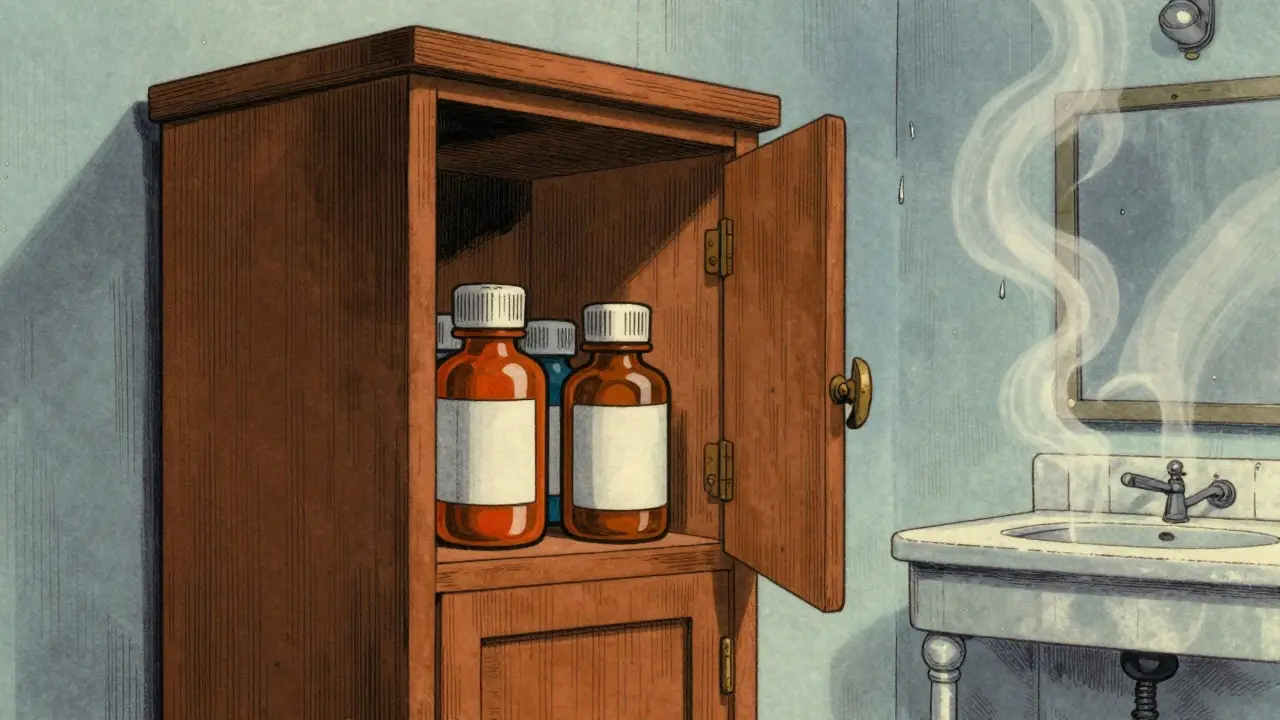
Most people keep their pills in the bathroom cupboard. This is the worst place to store them. Steam from showers ruins up to 37% of common medications. Humidity destroys tablets that swell or dissolve before you take them. Heat fluctuations also degrade chemical stability. Keep your supply in a dry, cool room away from sunlight. Ideal temperatures range between 68-77 degrees Fahrenheit.
Original containers are vital. Blister packs protect against moisture better than plastic bags. Labels provide the pharmacist's contact info if something goes wrong. Never transfer pills into coffee cans or unmarked boxes. This increases the risk of accidental poisoning, especially if grandchildren visit. Locked storage is essential for homes where children play.
Check for expirations regularly. Expired drugs do not disappear; they linger in cupboards cluttering space and posing risks. Discard unused leftovers immediately once treatment finishes. The average home contains hundreds of dollars worth of expired medicine. Dispose of them safely according to local pharmacy drop-off rules to protect your environment and pets.
Establish Clear Communication Protocols
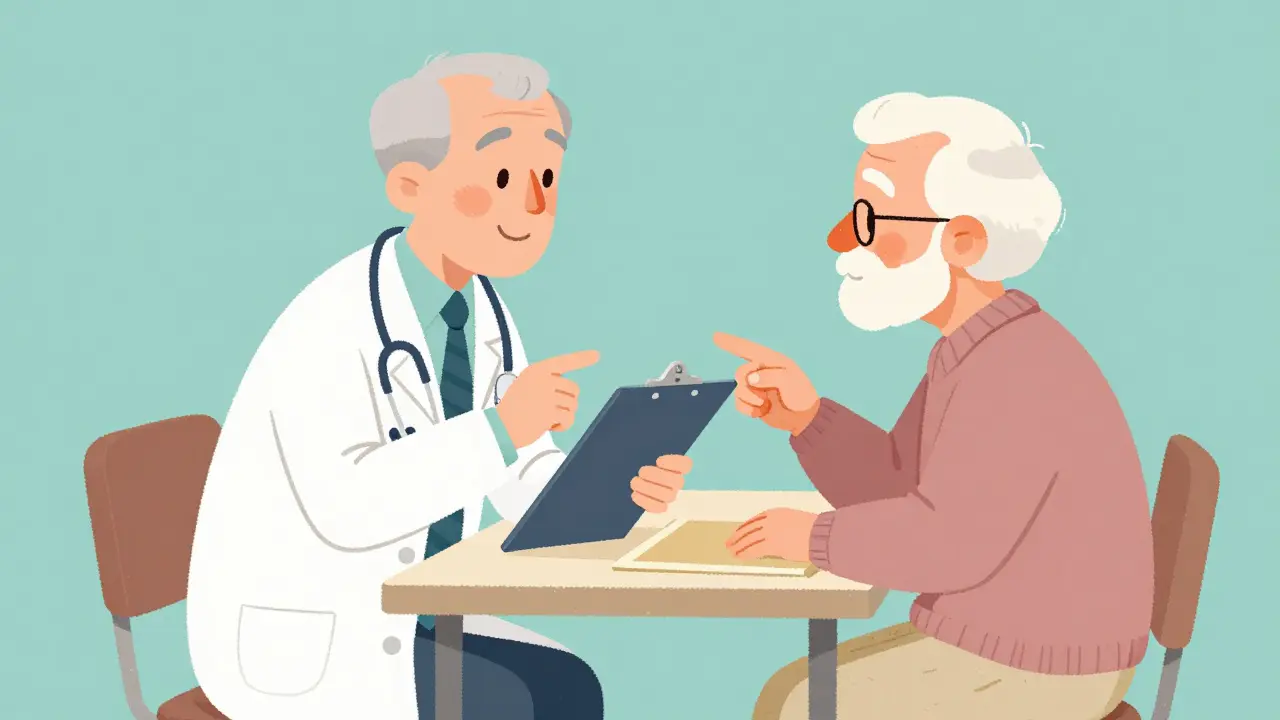
Doctors and pharmacists want to help, but busy clinics move fast. You must speak up. Prepare three specific questions before every visit. First, ask if the medication is still necessary. Sometimes conditions heal, and old drugs remain out of habit. Second, ask about cheaper alternatives. Insurance formularies change every year, affecting costs dramatically. Third, ask exactly what side effects signal danger.
Do not accept vague answers. If a doctor says "take with food," ask what counts as food. Does black coffee count? What about a banana? Clarity prevents guessing errors. Bring your Master Medication List to verify everything. Structured conversation reduces errors by 63% in patients with cognitive decline.
If you suspect a med isn't working, tell them. Sometimes dosage needs adjustment rather than a new drug. Deprescribing is a valid strategy. Reducing frequency from four times daily to once can double your success rate. Doctors may suggest removing low-benefit drugs to lower risk. You are the captain of your health team; lead the conversation confidently.
Troubleshooting Common Challenges
Sometimes even perfect planning fails. If a senior refuses to open the organizer, try involving a trusted friend as a 'medication buddy.' Routines stick better when paired with social interaction. Establish a consistent time linked to daily activities like brushing teeth or breakfast. Habits form after twenty-one to thirty days of repetition.
Technology offers mixed results. Smart apps work well for those comfortable with smartphones. However, some find automated reminders annoying or miss notifications entirely. Test devices over several weeks before relying on them alone. Always have a backup paper schedule. Battery failures happen, and power grids go down.
Finally, watch for signs of trouble. Increased fatigue, sudden falls, or confusion often link to medication changes. These are red flags requiring immediate medical review. Do not dismiss symptoms as normal aging. Most hospitals report medication mismanagement as the top reason for emergency admissions. Taking action early protects independence longer.
Can seniors crush their pills if swallowing is hard?
Only if approved by a pharmacist. Crushing time-release coatings releases too much drug at once, causing overdose. Many modern medications are safe to split, but some must stay whole. Always check with your pharmacy first.
How often should I update my medication list?
Update within 24 hours of any prescription change. This ensures every doctor sees the current regimen immediately, preventing duplicate therapies or harmful interactions.
Are pill organizers effective for dementia patients?
They help significantly if locked. Standard organizers allow easy access, leading to double-dosing. Secure containers prevent patients from overriding safety features.
Does insurance cover medication management tools?
Some plans do, especially Medicare Advantage options. Coverage varies widely, so check benefits before buying expensive smart dispensers. Basic organizers are cheap and usually not covered.
What is the Beers Criteria used for?
It identifies drugs that pose higher risks for older adults. Doctors use it to screen for inappropriate prescriptions and consider safer alternatives or dosages.
Staying safe involves small daily actions rather than grand gestures. Keep your list current, store your meds correctly, and talk openly with providers. With these five steps, you build a stronger foundation for health that lasts.
Callie Bartley
March 31, 2026 AT 19:15People act like storing drugs in the bathroom is a new concept when humidity has been ruining meds since forever.
James DeZego
April 2, 2026 AT 16:29I keep finding new bottles in my pantry every weekend so we switched to a weekly system 😅. It really helps the family stay organized without stress 🙌.
Arun Kumar
April 4, 2026 AT 08:19Small steps lead to big health outcomes for everyone involved in the process.
Julian Soro
April 5, 2026 AT 18:56Interactions between CBD and blood thinners are something many forget during holiday seasons.
Cullen Zelenka
April 6, 2026 AT 11:07Staying consistent with these habits builds confidence for independent living later on.
Molly O'Donnell
April 7, 2026 AT 22:39Most doctors just push papers without checking actual expiration dates properly.
Russel Sarong
April 9, 2026 AT 15:44The risks are real. And ignored too often. People ignore signs until crisis hits. Family home safety suffers. Confusion happens daily. We see mistakes everywhere. Local clinics fail too. Storage impacts stability. Bathrooms ruin tablets. Steam exposure damages chemicals. Heat destroys bonds. Humidity dissolves powder. Potency loss is quick. Labels fade over years. Identification becomes hard. Expiration dates matter. Toxic waste gathers dust. Disposal is key. Families must act now. Before accidents occur. Stop delaying action. Now.
Rod Farren
April 9, 2026 AT 18:10Bioavailability changes drastically in humid environments affecting therapeutic index significantly.
Sharon Munger
April 10, 2026 AT 05:54We work best together sharing lists regularly
Eleanor Black
April 11, 2026 AT 02:09Proper documentation prevents errors effectively. We must verify dosages before dispensing any item. Lists travel well when updated frequently. Emergency rooms need data to treat patients correctly. Pharmacists require details regarding current regimens. Interactions cause harm silently without warning. Kidney function declines slowly over decades of life. Liver metabolism shifts age impacting clearance rates. Blood pressure meds differ based on genetics. Statins interact with juice causing toxicity. Grapefruit is problematic source for many drugs. Supplements lack regulation standards for quality. Natural products contain active compounds requiring caution. Communication remains vital strategy for families. Questions clarify expectations fully 😊. Patience yields better results today 💕.
Jenny Gardner
April 11, 2026 AT 14:51Rules exist for a reason! Follow them closely! Precision saves lives!!
Owen Barnes
April 11, 2026 AT 14:57Its hard to remember phamcy names but app tools help us alot with refills.