
When Staying on Brand Beats Generic Switches: Rare Cases That Work
 Feb, 9 2026
Most advice tells you to switch to generics when you can - cheaper, same ingredients, same results. But what if staying on brand actually gives you a better experience? Not just a little better - a measurable, even emotional, difference? It sounds backwards. But in rare, specific situations, sticking with the original brand isn’t about being loyal for loyalty’s sake. It’s about how your brain reacts - and how that reaction shapes your real-world experience.
It’s Not About the Pill. It’s About the Feeling
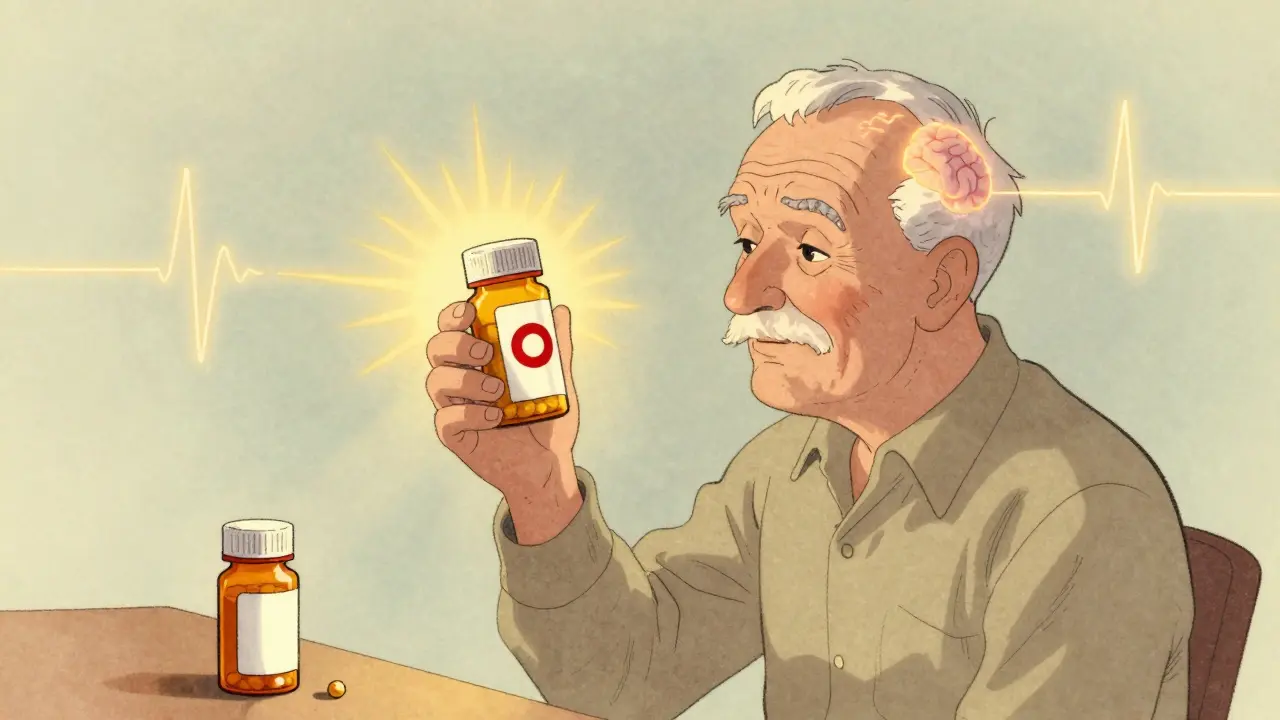
Think about a generic painkiller. You pop it. It works. Same active ingredient as the brand-name version. So why do some people swear they feel better with the branded one? It’s not placebo. At least, not entirely. Neuroscience studies, like one from Kantar in 2024 tracking 8,500 people, show that when people see a familiar brand - the exact logo, color, packaging - their amygdala, the brain’s emotional center, lights up 63% more than when they see a generic version. That’s not about effectiveness. It’s about trust. And trust changes how you feel.This isn’t just about pills. It’s about the whole experience. When you’ve used the same brand for years - maybe since you were sick as a kid, or after your first surgery - your brain links that brand with safety. That’s why, even when generics are identical, some patients report fewer side effects with the brand. Not because the ingredients are different. Because their body, through years of association, expects comfort.
Crisis Moments: When Consistency Calms
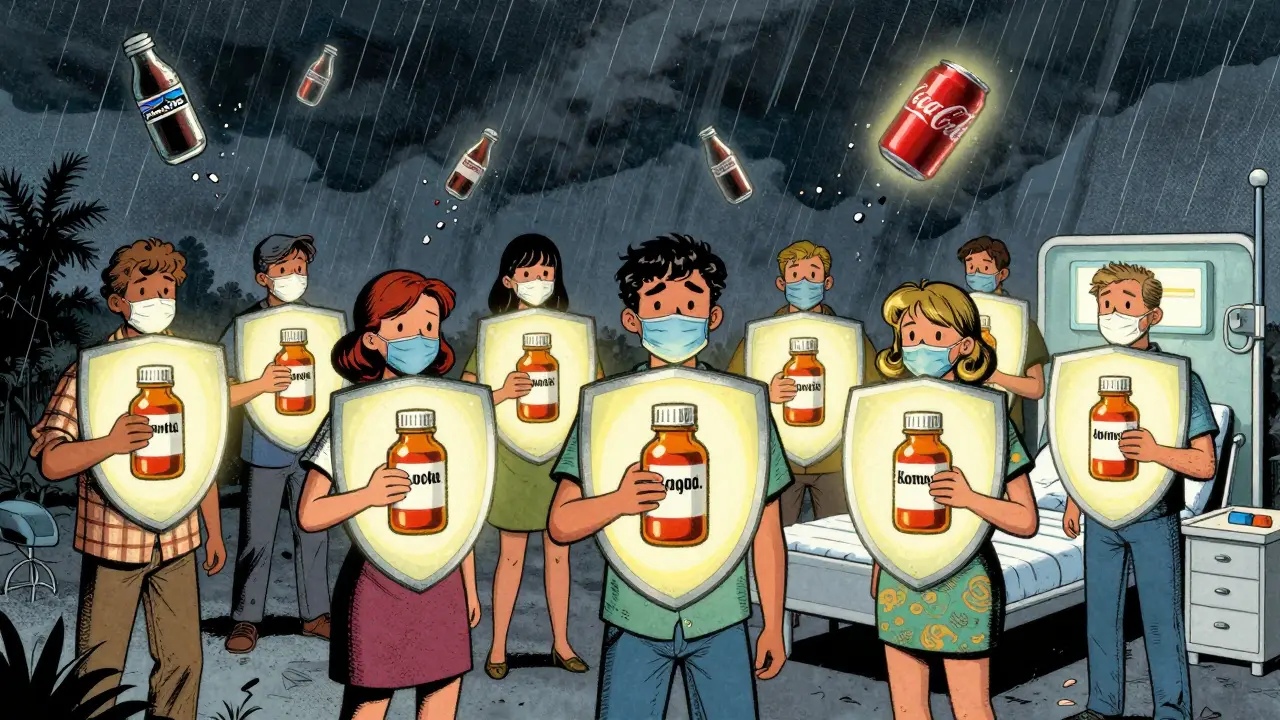
During a crisis - a pandemic, a natural disaster, a personal health scare - people don’t want change. They want stability. In 2020, when most brands shifted to somber, serious messaging, Coca-Cola kept its classic “happiness” campaign. Critics called it tone-deaf. But here’s what happened: 2.3 times more people mentioned Coca-Cola positively on social media than competing brands. Why? Because in a world that felt chaotic, seeing that familiar red can triggered a sense of normalcy. It wasn’t about soda. It was about emotional continuity.In healthcare, this matters too. Imagine someone managing chronic anxiety. They’ve been on the same brand-name medication for five years. Their doctor suggests switching to a generic to cut costs. The pill looks different. The packaging is plain. The name on the bottle is unfamiliar. Suddenly, even though the chemical is identical, the patient feels less secure. They worry: “Is this really the same?” That doubt can lead to missed doses, increased stress, even worse symptoms. The brand isn’t better chemically. But it’s better psychologically.
Children and Trust: The 2.7-Year-Old Test
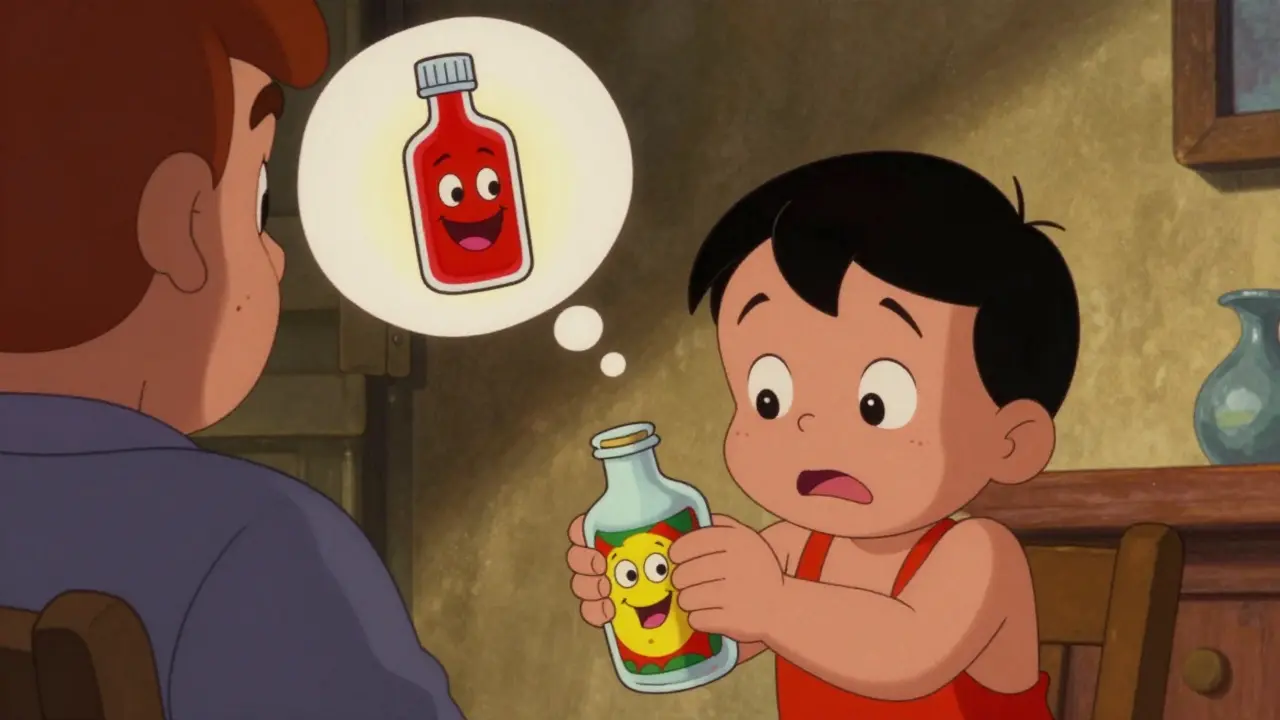
A University of Cambridge study in 2023 tracked 500 children from infancy. By age 2.7, 94% of them could recognize McDonald’s Happy Meal packaging - even before they could read. Compare that to 61% for brands that changed packaging to suit local tastes. Why? Because consistency builds recognition faster than anything else. And recognition = safety.This applies to pediatric medications too. If a child has been on the same branded syrup for asthma or allergies, and the family suddenly switches to a generic that looks completely different - different color, different shape, different flavor - the child resists. Not because it doesn’t work. Because it feels wrong. Parents report tantrums, refusal to take medicine, even vomiting - not from the drug, but from the unfamiliar packaging. The brand becomes a ritual. And rituals matter.
Values That Stick: When Brand = Belief
Patagonia didn’t become a cult favorite by selling jackets. They became one by never wavering from their environmental promise. In 2022-2023, when supply chains broke and other outdoor brands quietly toned down their sustainability claims, Patagonia stayed loud. They didn’t change a single word. And guess what? Their core customers stuck with them. Retention jumped 28%. Why? Because for these people, the brand isn’t a product. It’s a promise. Switching to a “greener” generic? Feels like betrayal.Same thing happens in healthcare. A patient with long-term depression might choose a brand-name antidepressant not because it’s more effective - but because they trust the company that funded mental health research, supported therapy access, or ran public awareness campaigns. Switching to a generic might save money. But it might also feel like abandoning a cause they believe in.
When Brand Consistency Is a Lifeline
Think about someone on a complex drug regimen. Five pills a day. Different colors. Different shapes. Different names. Now imagine one of them changes. Suddenly, the whole system feels unstable. Even if the generic is 100% identical, the brain has to relearn the pattern. For older adults or those with cognitive challenges, that’s not a small thing. It’s a risk.Studies show that when medication packaging changes, even for generics, adherence drops by up to 15%. Why? Because the brain uses visual cues to remember. The brand’s color, font, logo - they’re not decoration. They’re memory anchors. In a world where forgetting a pill can mean hospitalization, that anchor matters more than cost savings.
The Hidden Cost of Switching
We talk about the cost of brand-name drugs. But we rarely talk about the hidden cost of switching. Lost time. Lost trust. Lost confidence. Increased anxiety. Missed doses. More doctor visits. One 2024 Forrester report found that patients who stayed on brand for chronic conditions had 23% higher lifetime value to their healthcare system - not because they spent more, but because they were more consistent. Fewer emergencies. Fewer complications.And here’s the kicker: 78% of marketing professionals on Reddit’s r/branding forum reported that when brands changed core identity elements - even temporarily - they saw a 32% spike in customer complaints. One bank changed its logo for Pride Month and got 4.2x more negative feedback from LGBTQ+ customers than when they kept consistent, year-round support. Why? Because people don’t want tokenism. They want authenticity. The same goes for medicine. A sudden switch can feel like the brand is abandoning you.
When You Should Still Switch
This isn’t a rule. It’s a rare exception. If the brand is unaffordable, or if your insurance won’t cover it - switch. No question. But if you’re switching because “it’s the same” - pause. Ask yourself: Do I feel more secure with this brand? Has it been part of my healing process? Do I recognize it instantly - and does that give me peace?There’s no shame in staying on brand if it helps you. Your health isn’t a commodity. It’s personal. And sometimes, the most powerful medicine isn’t the one with the lowest price tag. It’s the one that makes you feel like you’re still you.
Why do some people feel better on brand-name medication even when the generic is identical?
It’s not about the chemistry - it’s about the brain. Years of consistent exposure to a brand’s packaging, color, and even taste create strong emotional associations. Studies using fMRI scans show that seeing a familiar brand activates the amygdala - the brain’s emotional center - up to 63% more than a generic version. This doesn’t mean the drug works better. But it can make you feel more confident, less anxious, and more likely to take it as prescribed.
Can switching to a generic medication cause side effects?
Not directly. Generics must meet strict standards for active ingredients. But the inactive ingredients - fillers, dyes, coatings - can vary. For some people, especially those with sensitivities, these differences can cause mild reactions like stomach upset or headaches. More commonly, though, the perceived side effects come from psychological discomfort: the unfamiliar look or feel of the pill triggers anxiety, which can worsen symptoms like nausea or fatigue.
Is it safe to stay on brand-name drugs long-term?
Absolutely. Many brand-name drugs are safe for long-term use, especially if they’ve been prescribed for years. The FDA doesn’t require generics to be identical in appearance, but they must be bioequivalent. If your doctor has approved the brand-name version for your condition, and it’s working well, there’s no medical reason to switch unless cost or insurance forces the issue. Your comfort and consistency matter in treatment outcomes.
Why do children react negatively to generic medication packaging?
Children form strong visual associations early. A colorful, familiar bottle or syrup shape becomes part of their routine - a signal that “this is medicine, and it’s safe.” When that changes, even if the drug is the same, the child may refuse it out of confusion or fear. Studies show kids as young as 2.7 years old recognize branded packaging 94% of the time, compared to 61% for changing or generic designs. Consistency reduces resistance and improves compliance.
What should I do if my insurance forces me to switch to a generic?
Talk to your doctor. Ask if the generic is truly equivalent in appearance and inactive ingredients. If you notice changes in how you feel - increased anxiety, nausea, or reduced effectiveness - report it. Some insurers allow exceptions for medical necessity. If the brand has been part of your long-term stability, your doctor can file a prior authorization request. Your mental and emotional well-being are part of your health.
John Watts
February 9, 2026 AT 20:17Bro, this post hit different. I’ve been on the same brand-name anxiety med for 8 years. Switched to generic once because my insurance forced it. Felt like my brain was on fire for two weeks. Not physically - emotionally. Like I lost a friend. I went back. No regrets. Brand isn’t just a label - it’s a ritual. And rituals keep you grounded when everything else is falling apart.
Stop treating mental health like a spreadsheet. Your peace matters more than a $3 copay.
Chima Ifeanyi
February 10, 2026 AT 16:08Let’s deconstruct this performative nostalgia. The amygdala activation metric cited is from Kantar - a marketing firm, not a neuroscientific body. Their methodology? Self-reported perception bias paired with fMRI cherry-picking. Classic confirmation bias wrapped in pseudoscience.
Meanwhile, the FDA mandates bioequivalence within 80–125% AUC range. That’s not ‘close enough’ - that’s statistically identical. The ‘emotional trust’ narrative is just corporate branding exploiting cognitive dissonance to maintain premium pricing. You’re not healing - you’re being monetized.
Tori Thenazi
February 10, 2026 AT 21:46Okay but have you heard about the 2023 CDC internal memo leaked on 4chan? It said that generic manufacturers are allowed to use talc, microplastics, and artificial dyes that aren’t in brand-name meds - and that’s why people get ‘side effects’… it’s not placebo, it’s poison.
And don’t get me started on the FDA’s secret partnership with Big Pharma - they let brand names keep their exact color schemes because ‘brand recognition reduces patient panic’ - which means they KNOW it’s psychological… and they’re using it to keep prices high. I’ve seen the redacted pages. I have screenshots. I’m not crazy. I’m informed.
Also, why does every generic pill look like a tiny beige rock? Who designed that? Who approved that? WHO IS RESPONSIBLE??
Elan Ricarte
February 12, 2026 AT 09:03Y’all are out here treating medication like a damn loyalty card. ‘Oh I’ve had this blue pill since 2017, it’s my emotional anchor’ - cool, now go get a therapist. The real issue here is that Big Pharma is banking on your trauma to keep you hooked on overpriced pills.
Generic doesn’t mean ‘inferior.’ It means ‘not overcharged.’ Your brain’s ‘trust’ is just a Pavlovian reflex they engineered with decades of advertising. You think you’re healing? You’re just addicted to the aesthetic.
And don’t even get me started on Patagonia. Yeah, they’re ‘authentic’ - until you find out they outsource to sweatshops in Vietnam. Same game. Same scam. Same emotional manipulation. Wake up.
Ritteka Goyal
February 13, 2026 AT 17:35This is why India is the pharmacy of the world and you all are still crying over your branded pills! We have generics that are 99.8% identical, tested in WHO-certified labs, and used by millions daily - no tantrums, no panic, no drama!
But you Americans? You want your pills to look like a McDonald’s Happy Meal? You want colors and logos to feel safe? That’s not healthcare - that’s consumerism with a stethoscope!
My cousin in Mumbai takes 7 different generics daily - no brand, no name, just a blister pack with numbers. She’s healthy. She’s stable. She’s alive. And she never once cried because her pill looked different.
Stop romanticizing your privilege. Your emotional attachment to a pill bottle is not a medical condition - it’s a cultural flaw.
Monica Warnick
February 14, 2026 AT 08:26I used to be the person who switched to generics. Until I started having panic attacks every time I opened a new bottle. I didn’t know why. Then I realized - the shape was wrong. The logo was gone. The color was off. I’d stare at it for minutes. ‘Is this the right one?’ ‘Did they mess up?’ ‘Am I taking something weaker?’
It wasn’t the drug. It was the uncertainty. My brain needed the visual anchor. Now I pay extra. It’s not about money. It’s about not feeling like I’m playing Russian roulette with my mental health.
Ashlyn Ellison
February 15, 2026 AT 16:39I have a 5-year-old with asthma. We switched to generic inhaler last year. She refused to use it. For two weeks. Screamed. Cried. Threw it across the room. We switched back. She took it like nothing. No drama. No fuss.
It’s not about the medicine. It’s about the ritual. The color. The shape. The way it clicks in her hand. Kids don’t read labels. They read patterns.
Adults are just kids who forgot how to feel safe.
Jonah Mann
February 16, 2026 AT 21:27Wait wait wait - I work in pharmacy and I gotta say… this is real. We had a patient, 72, on the same brand of blood pressure med for 20 years. Switched to generic. He missed 3 doses in a row because he didn’t recognize the pill. Thought it was a new one he wasn’t supposed to take. Ended up in the ER.
And yeah - inactive ingredients matter. I’ve seen people allergic to the dye in generics. Not common, but it happens. And for elderly folks? The shape and size? That’s how they remember. ‘Blue oval = morning. White round = night.’ Change that? Chaos.
Cost savings? Sure. But if it costs you your health? Not worth it.
THANGAVEL PARASAKTHI
February 18, 2026 AT 12:23As someone from India where generics are the norm, I can say this - we don’t have the luxury of brand loyalty. But we also don’t have the delusion that brand = safety. What matters is quality control. The Indian generic industry supplies 20% of the world’s medicines - including to the US and EU.
So if you’re saying your brain needs a logo to feel safe… maybe your real problem isn’t the pill. It’s the fear that you’re not in control.
True healing doesn’t need a logo. It needs trust. And trust comes from knowledge, not marketing.
Chelsea Deflyss
February 20, 2026 AT 02:42Wow. Just… wow. You’re telling me that people are emotionally attached to their pills? Like… they have names? Do they say goodnight to them? Do they take selfies with them? I’m sorry, but this is the most absurd thing I’ve read all week. You’re not healing. You’re performing healing. This isn’t healthcare. This is therapy for people who watch too much Netflix.
And Patagonia? Please. They’re a corporation. They’re not saints. They’re just really good at PR. Stop romanticizing capitalism.
Tricia O'Sullivan
February 21, 2026 AT 05:21While I acknowledge the psychological dimensions presented here with considerable nuance, I must respectfully underscore that clinical efficacy remains the paramount criterion in therapeutic decision-making. That said, adherence - a well-documented predictor of positive health outcomes - is demonstrably influenced by patient-centered factors, including perceptual familiarity and cognitive anchoring.
Thus, while the economic imperative toward generic substitution is both valid and necessary, it ought not to be implemented in a manner that disregards the human substrate of pharmacotherapy. A balanced approach, informed by both evidence and empathy, remains the ethical standard.