
What Is Medication Adherence vs. Compliance and Why It Matters
 Jan, 19 2026
When your doctor prescribes a pill, they expect you to take it. But what happens when you don’t? For years, doctors called this compliance-as if patients were machines that should just obey orders. Today, that language is outdated. The real story isn’t about obedience. It’s about adherence. And the difference between the two isn’t just semantics-it’s life or death.
Adherence Isn’t Just Taking Pills-It’s a Partnership
Medication adherence means you’re actively involved in your own care. It’s not just about swallowing pills on time. It’s about understanding why you’re taking them, knowing how they affect your body, and deciding-alongside your provider-that this treatment is worth your effort. The American Pharmacists Association defines it as how closely your behavior matches the agreed-upon plan. That word-agreed-upon-is everything.
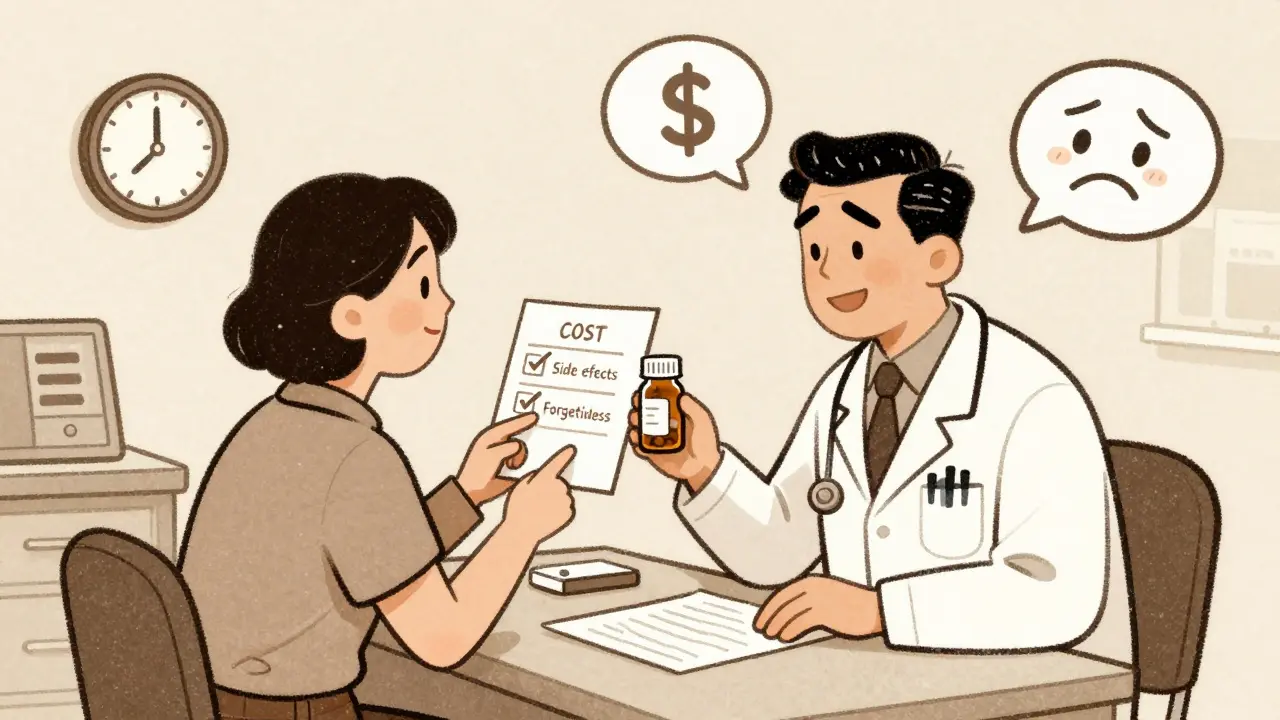
Take someone with high blood pressure. They’re told to take a pill every morning. But they skip it because it makes them dizzy, or they can’t afford it, or they don’t feel sick so they think it’s unnecessary. Under the old model, that’s non-compliance. A failure. A bad patient. But under adherence, that’s a signal. A chance to ask: What’s getting in your way? Maybe the pill can be switched. Maybe a lower dose works. Maybe a pill organizer helps. Adherence doesn’t blame. It listens.
Compliance Is a One-Way Street
Compliance is passive. It assumes the provider knows best-and the patient’s job is to follow orders without question. The term comes from an era when doctors made decisions, and patients just did what they were told. No discussion. No input. Just obedience.
That model still shows up in some clinics, especially in settings like tuberculosis treatment, where directly observed therapy (DOT) is required. But for chronic conditions-diabetes, heart disease, depression, asthma-compliance fails. Why? Because it ignores the human part of healthcare.
Studies show that nearly half of all patients stop taking their medications within the first year. Not because they’re careless. Not because they’re rebellious. Because they’re overwhelmed. They forget. They can’t afford it. They’re scared of side effects. Or they don’t believe the medicine will help. Compliance doesn’t address any of that. It just counts whether the pill was taken.
Why the Shift Happened-and Why It Matters
The change from compliance to adherence didn’t happen overnight. It was driven by data. In the early 2000s, researchers started noticing something: patients who felt heard had better outcomes. Not because they were more obedient. Because they were more engaged.
The American Medical Association set a clear standard: a patient is considered adherent if they take at least 80% of their prescribed doses. That’s not perfection. It’s realistic. It allows for mistakes, busy days, and life happening. But here’s the kicker: patients who are actively engaged in their care are 2.57 times more likely to stay on track than those who are just told what to do.
Health systems caught on. The FDA and European Medicines Agency now require adherence data in clinical trials-not just whether a drug works, but whether people can actually use it in real life. Medicare now ties 8% of hospital payments to how well patients stick to their meds. That’s not a suggestion. It’s a financial incentive to get it right.
How Providers Are Actually Making It Work
Adherence isn’t just a buzzword. It’s a practice. And it takes work.
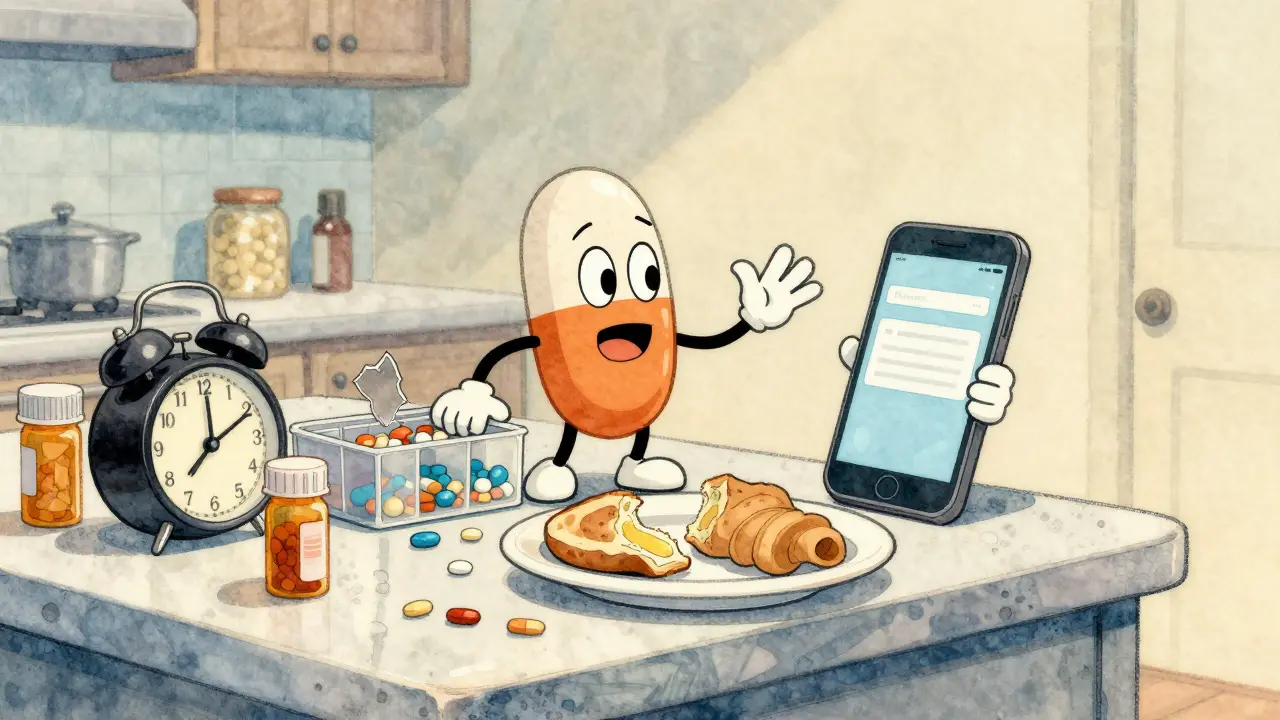
Providers who use motivational interviewing-asking open-ended questions like, “What’s been hard about taking this medicine?”-see 37.6% higher adherence rates. They use tools like pill boxes with alarms, apps that send reminders, and smart caps that track when bottles are opened. One system, Hero Health, cut missed doses by 42% in a Kaiser Permanente trial. Another, Dose Packer, improved medication possession ratios by nearly 30% across 12,000 patients.
But the biggest change? Language. Instead of saying, “You didn’t take your pills,” they say, “Tell me what’s been going on.” Instead of labeling someone as non-compliant, they look for barriers: cost, transportation, depression, cultural beliefs, language gaps.
It’s not easy. A family doctor told me they now spend 15 to 25 extra minutes per visit talking through meds. That’s time they don’t always have. But the payoff? Fewer ER visits. Fewer hospital stays. Fewer deaths.
The Numbers Don’t Lie
Here’s what adherence actually saves:
- 22-34% fewer avoidable hospitalizations
- 18-27% lower overall treatment costs
- Up to 50% higher success rates in managing chronic conditions
The global market for adherence solutions is projected to hit $11.7 billion by 2028. That’s not because companies are selling fancy gadgets. It’s because health systems are realizing: treating patients like partners saves money and lives.
Meanwhile, compliance-focused tools are fading. Less than 15% of new healthcare contracts now use them. Even correctional facilities-where compliance was once the norm-are starting to shift. Why? Because locking someone in a cell and making them take pills doesn’t fix the problem. Understanding why they stopped does.
What This Means for You
If you’re on medication-whether it’s for blood pressure, cholesterol, diabetes, or depression-this matters to you. You’re not a failure if you miss a dose. You’re human.
Ask yourself:
- Do you understand why this medicine is important?
- Are side effects stopping you?
- Can you afford it?
- Do you feel like your provider listens to you?
If the answer to any of these is no, speak up. Bring it up at your next appointment. Say: “I want to take this right, but something’s getting in the way.” That’s adherence in action.
And if you’re a caregiver, a family member, or a friend-don’t nag. Ask. Listen. Help them find the real problem. Maybe it’s a pill that’s too big to swallow. Maybe they’re scared of long-term use. Maybe they think their doctor doesn’t care. Those aren’t compliance issues. They’re relationship issues.
The Future Is Personalized
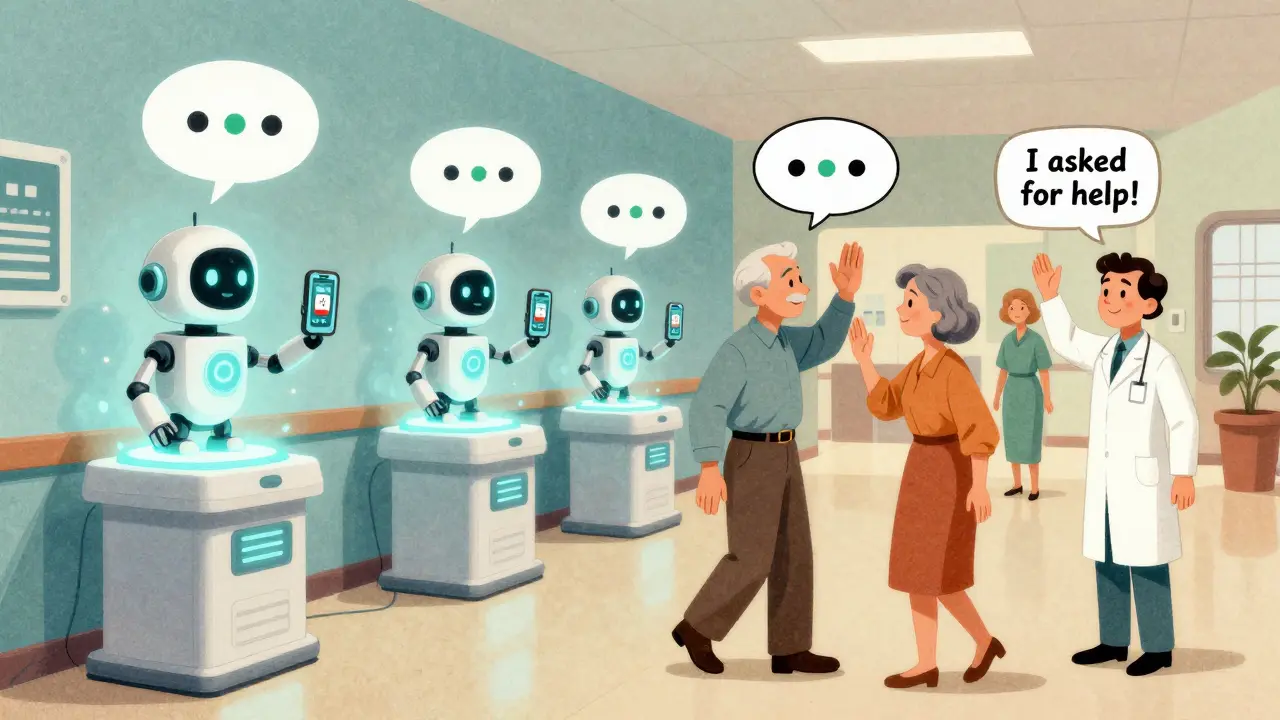
What’s next? AI. Google Health’s 2024 study showed machine learning can predict who’s likely to miss doses-with 83.7% accuracy-by analyzing things like income, transportation access, past refill patterns, and even social media activity (with consent). That’s not creepy. It’s caring. It means a system can reach out before you miss a dose. Before you get sick. Before you end up in the hospital.
The World Health Organization says adherence-focused care could prevent 1 million premature deaths worldwide by 2030. That’s not a guess. That’s a projection based on real data from countries that made the switch.
Medication adherence isn’t about being perfect. It’s about being supported. It’s about having a team that works with you-not on you.
Compliance is old. Adherence is the future. And it’s already here.
Amber Lane
January 20, 2026 AT 16:32I used to skip my blood pressure meds until my pharmacist asked me why. Turns out I was scared of the side effects. She listened. We switched brands. Now I take them every day. It’s not about obedience-it’s about feeling heard.
Jerry Rodrigues
January 21, 2026 AT 03:28adherence sounds nicer but really it’s just fancy wording for taking your pills
Samuel Mendoza
January 22, 2026 AT 21:05People aren’t taking meds because they’re lazy or dumb. It’s because the system is broken. Doctors don’t have time. Pills cost too much. And no one ever asks what’s really going on.
MAHENDRA MEGHWAL
January 23, 2026 AT 05:47It is indeed a matter of profound importance that the language of healthcare evolves to reflect mutual respect and dignity. The transition from compliance to adherence signifies a paradigm shift toward human-centered care, which is both ethically sound and clinically effective.
Dee Monroe
January 24, 2026 AT 03:47You know what’s wild? This whole shift from compliance to adherence isn’t just about medicine-it’s about how we see people. We’ve spent decades treating patients like broken machines that need fixing, like if they just followed the manual, everything would be fine. But humans aren’t machines. We’re messy. We forget. We’re scared. We’re tired. We’re broke. And when you treat someone like a problem to be solved instead of a person to be understood, you’re not just failing them-you’re erasing their humanity. Adherence doesn’t just improve outcomes, it restores dignity. And that’s not a buzzword, that’s a revolution. The fact that Medicare’s now paying for it? That’s not bureaucracy. That’s evolution. We’re finally starting to value the human in healthcare, not just the diagnosis.
Alex Carletti Gouvea
January 24, 2026 AT 21:20Why are we coddling people who can’t even take a pill? If you can’t follow basic instructions, maybe you shouldn’t be in charge of your own health. This is America-we don’t baby people into being responsible.
Rod Wheatley
January 24, 2026 AT 21:49YES! YES! YES! This is everything!! I’m a nurse, and I’ve seen it over and over: patients who were labeled ‘non-compliant’? They just needed someone to sit down with them-no judgment-and ask, ‘What’s stopping you?’ One guy missed his insulin because he was scared it’d make him gain weight-he never told anyone! We found a different med, he started tracking his meals with an app, and now he’s lost 30 pounds. It’s not about pills-it’s about trust. And tools? Pill boxes with alarms? Game-changers. Smart caps? Lifesavers. And yes, it takes time-but every extra minute you spend listening saves ten in the ER later. This isn’t fluffy stuff. It’s science. It’s survival.
Malvina Tomja
January 25, 2026 AT 14:01Adherence? Please. This is just guilt-tripping patients into feeling bad for being human. The real problem? Doctors don’t listen. So now they slap a fancy label on it and call it progress. Meanwhile, the system still makes people choose between rent and refills. This isn’t empathy-it’s PR.
Coral Bosley
January 25, 2026 AT 21:17I’ve been on antidepressants for six years. I’ve missed doses because I felt like a fraud. Like if I took them, I was admitting I wasn’t strong enough to fix myself. No one ever asked me that. They just said, ‘You’re not taking your meds.’ I cried the first time someone said, ‘Tell me what it feels like to take this.’ That’s when I started healing-not because I was told to, but because I was seen.
Steve Hesketh
January 26, 2026 AT 17:34Let me tell you something from Lagos: in my village, people don’t take pills because they don’t trust the system. They’ve seen too many medicines disappear after being paid for. When a health worker came with a tablet that tracked doses and showed real-time data to the clinic? That changed everything. Not because it was high-tech-but because it proved someone cared enough to track them. Adherence isn’t about obedience. It’s about proof that you matter. And that’s a gift in any language.