
Questions to Ask Your Doctor Before Starting a New Medication
 Jan, 20 2026
Before you leave the office, ask these seven key questions about your new medication
It’s easy to walk out of a doctor’s appointment feeling relieved-finally, you have a plan. But if you don’t know what the pill is for, how to take it, or what might go wrong, you’re already at risk. Nearly half of all people don’t take their medications as prescribed. Some forget. Some skip doses because they feel fine. Others stop because they got scared by a side effect they weren’t warned about. None of that has to happen. The difference between taking a medication safely and having a bad reaction often comes down to three things: asking the right questions, writing down the answers, and following up.
What is this medicine, and why am I taking it?
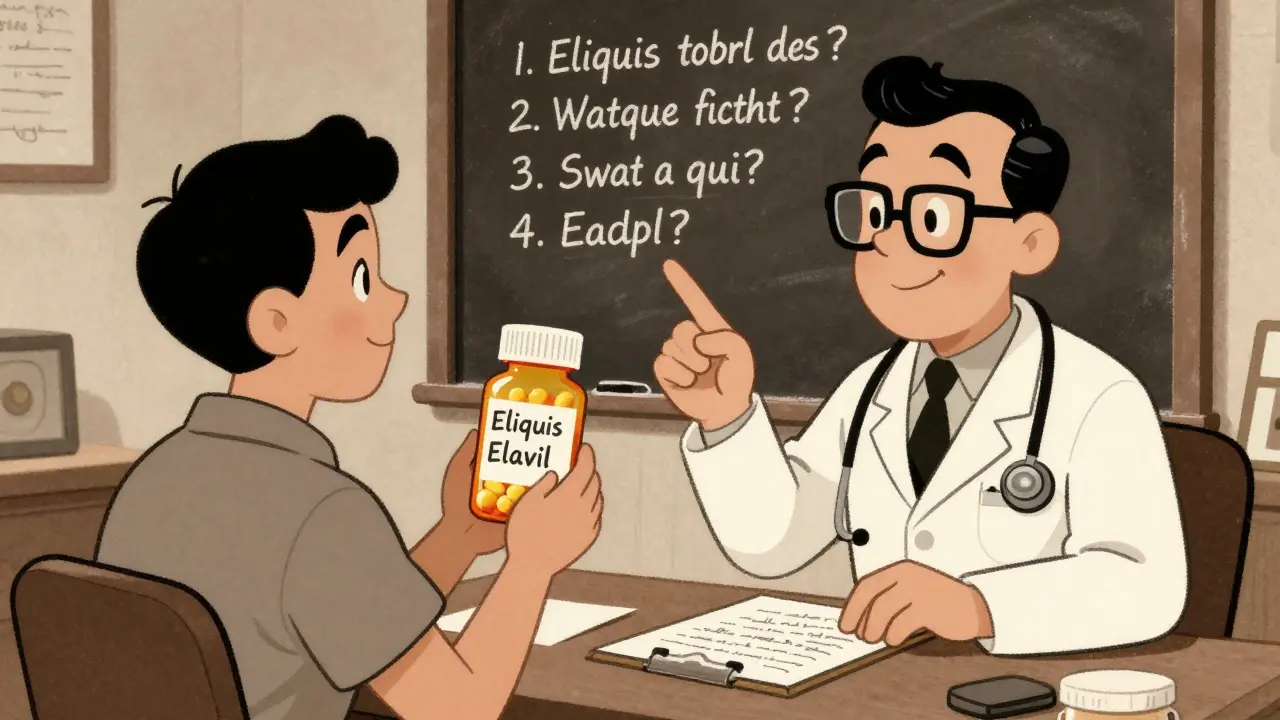
Start with the basics. Don’t assume your doctor knows you’ll remember the name. Ask: What’s the brand name and the generic name? Many people mix up drugs because they sound similar. One patient in New Zealand took a blood thinner called Eliquis instead of Elavil (an antidepressant) because the names were close on the prescription label. That’s not rare. The Institute of Medicine says 23% of medication errors involve name confusion. Also ask: Which condition is this actually treating? If you’re told it’s for "high blood pressure," but you’re not sure what that means for your body, ask for a simple explanation. "This lowers the pressure in your arteries so your heart doesn’t have to work as hard" is better than "it’s an ACE inhibitor." You don’t need to memorize medical terms. You just need to understand why you’re taking it.
How and when do I take it?
Most people think they know how to take a pill-until they don’t. Ask: Do I take this with food, on an empty stomach, or at a specific time of day? Some medications need to be taken with food to avoid stomach upset. Others lose effectiveness if taken with milk or grapefruit juice. Ask: What’s the exact dose? Is it 10 mg? 25 mg? One tablet? Two? Write it down. Don’t rely on memory. A 2021 study found that 34% of patients misunderstand dosage instructions-even when the doctor says it clearly. And ask: How long am I supposed to take this? Is it for 7 days? 3 months? Forever? Some people stop when they feel better, thinking the job is done. But antibiotics, antidepressants, and blood pressure meds often need weeks to work properly. Stopping early can make things worse.
How will I know if it’s working?
Patients often quit meds because they don’t feel immediate results. That’s normal. But if you don’t know what to expect, you’ll think it’s not working-and stop. Ask: When should I start noticing a change? For antibiotics, it’s often 48 hours. For antidepressants, it’s 3 to 6 weeks. For blood pressure meds, it might take 2 to 4 weeks to see the full effect. Ask: What signs should I look for? If you’re taking medicine for anxiety, are you sleeping better? Less jittery? If it’s for cholesterol, will your next blood test show improvement? Knowing what to watch for helps you stay on track. A 2022 study found that 68% of people stop their meds early because they didn’t know when to expect results.
What side effects should I expect?
Every medicine has side effects. Some are mild. Some are dangerous. Ask: Which side effects are common and likely to go away? Drowsiness, nausea, dry mouth-these often fade after a few days. Ask: Which ones mean I need to call you right away? Swelling, trouble breathing, chest pain, severe rash, or sudden mood changes? Write those down. Don’t wait to see if it gets better. Also ask: How long should I wait before deciding if a side effect is too much? If you’re on a new antidepressant and feel nauseous for the first week, that’s normal. If it’s still bad after three weeks, it’s time to talk. Mental health patients in particular benefit from this question. A 2023 survey found 72% of people stayed on their meds longer because they knew initial side effects would pass.
Could this interact with anything else I’m taking?
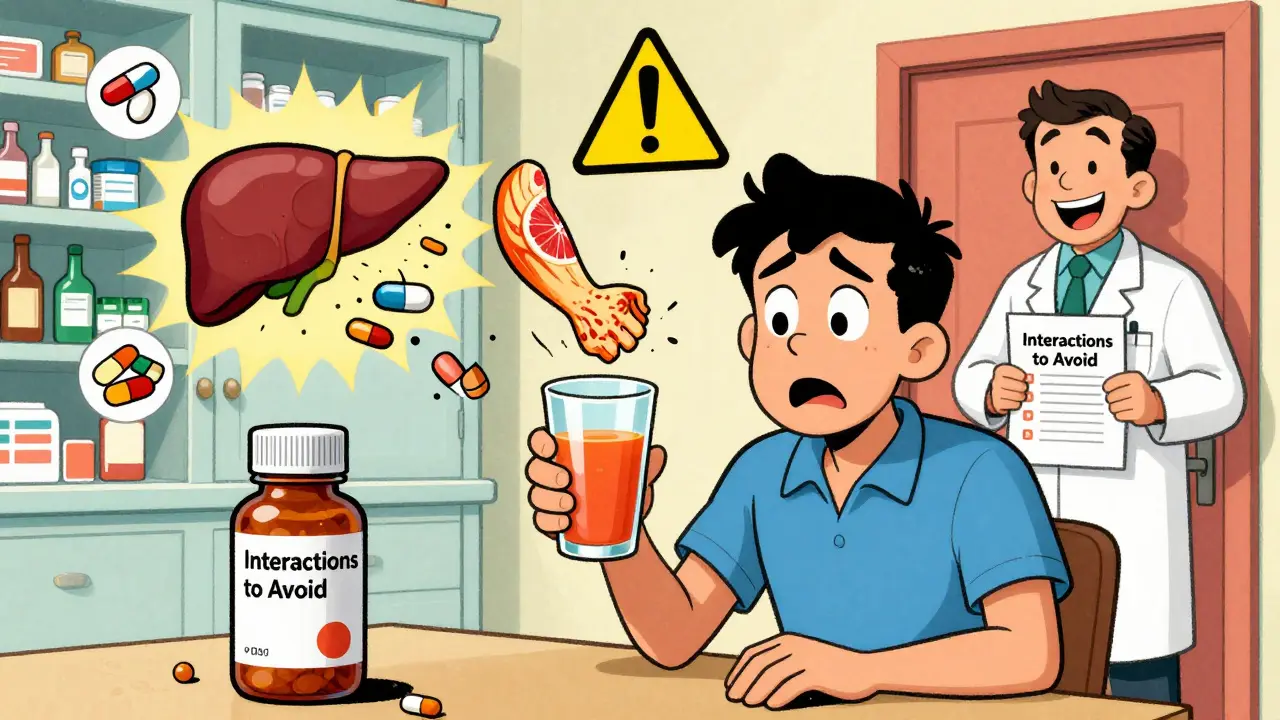
Most people don’t realize how many things can clash. You’re not just taking one pill. You’ve got supplements, over-the-counter painkillers, herbal teas, even grapefruit juice. Ask: Does this interact with my current medications, vitamins, or supplements? One man in Wellington was on warfarin (a blood thinner) and started taking a popular herbal supplement for joint pain. Within days, he had internal bleeding. The supplement blocked how his body processed the drug. Ask: Are there foods, drinks, or activities I need to avoid? Alcohol with certain painkillers can damage your liver. Grapefruit with statins can cause muscle breakdown. Sun exposure with some antibiotics can cause severe burns. Bring a list of everything you take-including doses and how often. People who do this reduce interaction risks by 63%.
Why this drug and not another?
There’s rarely just one option. Ask: Why did you choose this one over others? Is it cheaper? Safer for my liver? More effective for my age or condition? Ask: Are there alternatives? Sometimes a generic version works just as well. Sometimes a different class of drug has fewer side effects. If you’re over 65, have kidney issues, or take multiple meds, ask: Is pharmacogenetic testing right for me? This is a simple saliva test that shows how your body breaks down drugs. It can predict if you’ll have bad side effects or need a higher dose. It’s not for everyone-but it’s becoming more common. Genomind’s testing has helped guide over 300,000 medication decisions since 2022.
What happens if this doesn’t work?
Not every medication works for every person. That’s not failure-it’s science. Ask: When will we check if this is helping? Will you call? Will you schedule a follow-up? Will you review blood tests? Ask: What’s the next step if this doesn’t work? Do we try a higher dose? Switch to a different drug? Add another? Don’t leave without a plan. A 2022 study found that 47% of patients never schedule a follow-up after starting a new med. That’s dangerous. If the medicine isn’t working and you don’t know what to do next, you might keep taking it anyway-or stop cold turkey. Both can hurt you.
How much will this cost?
Cost isn’t just a pharmacy issue-it’s a health issue. If you can’t afford your meds, you’ll skip doses. A 2023 study found 25% of people in New Zealand skip pills because of price. Ask: Is there a generic version? Ask: Can I get a 90-day supply to save money? Ask: Are there patient assistance programs? Many drug companies offer discounts for low-income patients. Your pharmacist can help. Don’t be embarrassed to ask. Your health depends on you taking it regularly-and that’s impossible if you can’t pay.
How to prepare for your appointment
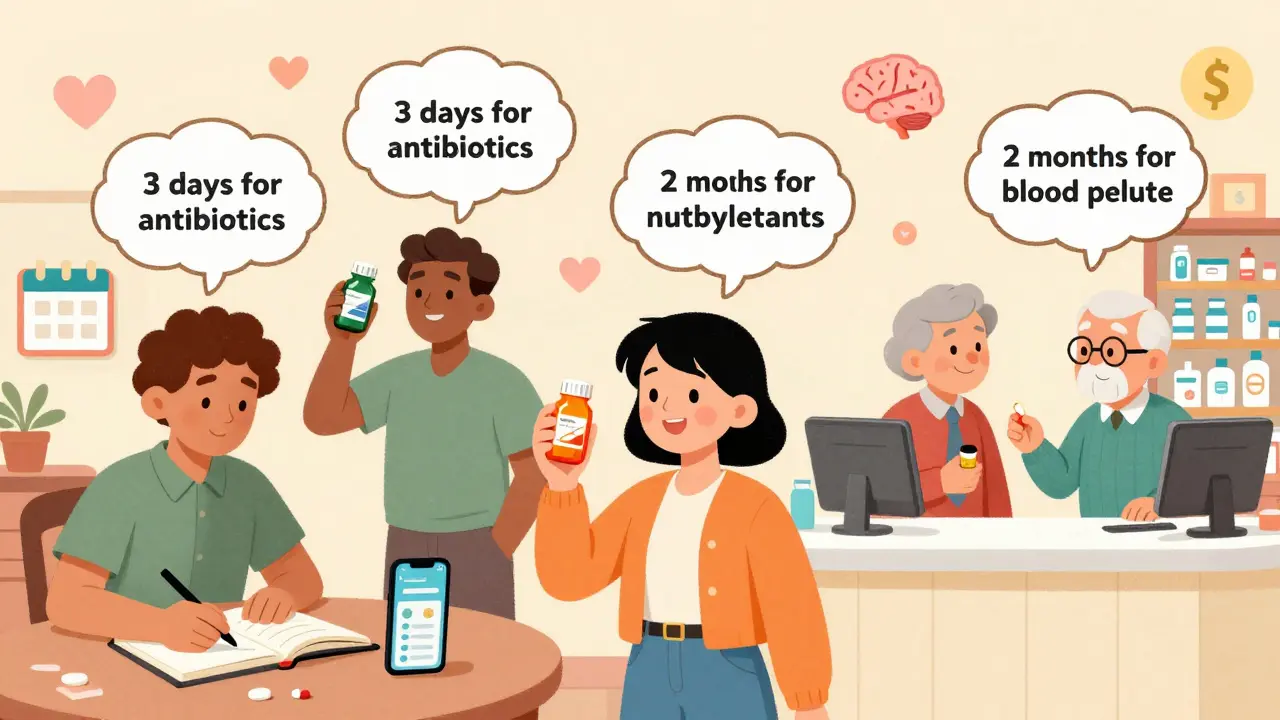
Don’t wait until you’re in the exam room to think of questions. Prepare ahead. Write down your list. Bring a printed list of every medication you take-including vitamins, supplements, and over-the-counter drugs. Include the dose and how often you take it. If you use a pill organizer, bring it. Take a notebook or use your phone to write answers. Studies show writing things down improves memory by 70%. If you’re nervous, bring someone with you. A second set of ears helps. If your appointment is virtual, check if your provider has a pre-visit checklist. American Well and Kaiser Permanente now offer these online. Fill them out before your call. It makes the conversation faster and more thorough.
What if your doctor brushes you off?
Some providers are rushed. The average visit in New Zealand is just over 15 minutes. But you have the right to clear answers. If your doctor says, "You don’t need to worry," or "Just take it as directed," push back gently. Say: "I really want to get this right. Can we go over the side effects again?" If you feel dismissed, ask for a referral to a pharmacist. Pharmacists are medication experts. They can review your whole list for interactions, explain how to take things, and help you find cheaper options. Many pharmacies offer free med reviews. Use them.
What happens after you start?
Don’t just take the pill and forget it. Track how you feel. Note any side effects, changes in mood, sleep, or energy. Keep a simple journal-even just a few bullet points each day. If something feels off, don’t wait for your next appointment. Call your doctor or pharmacist. If you miss a dose, don’t double up. Ask what to do. Most meds have clear instructions: "Take it as soon as you remember, unless it’s almost time for the next dose." Use apps like Hero Health or Medisafe to set reminders. They send alerts and track what you’ve taken. In one study, users who used these tools had 38% fewer missed doses.
Why this matters
Medication errors are one of the leading causes of hospital visits. In New Zealand, about 1 in 20 people who take prescription drugs have an adverse reaction each year. Most are preventable. Asking these questions doesn’t make you difficult. It makes you informed. It shows your doctor you care about your health. And it gives you control. You’re not just a patient-you’re a partner in your care. The more you know, the safer you are. And that’s not just advice. It’s backed by data from the FDA, the World Health Organization, and dozens of clinical studies. Start asking. Your body will thank you.
Jarrod Flesch
January 21, 2026 AT 07:36Barbara Mahone
January 21, 2026 AT 10:42Kelly McRainey Moore
January 22, 2026 AT 21:24michelle Brownsea
January 24, 2026 AT 00:17lokesh prasanth
January 24, 2026 AT 22:44Rod Wheatley
January 26, 2026 AT 16:40Andrew Rinaldi
January 28, 2026 AT 13:53Gerard Jordan
January 30, 2026 AT 13:39Samuel Mendoza
February 1, 2026 AT 07:39Glenda Marínez Granados
February 2, 2026 AT 13:28Coral Bosley
February 2, 2026 AT 17:20Jarrod Flesch
February 3, 2026 AT 06:40