
Licensed Pharmacies: How to Verify Your Pharmacy Is Legitimate and Avoid Counterfeit Drugs
 Dec, 21 2025
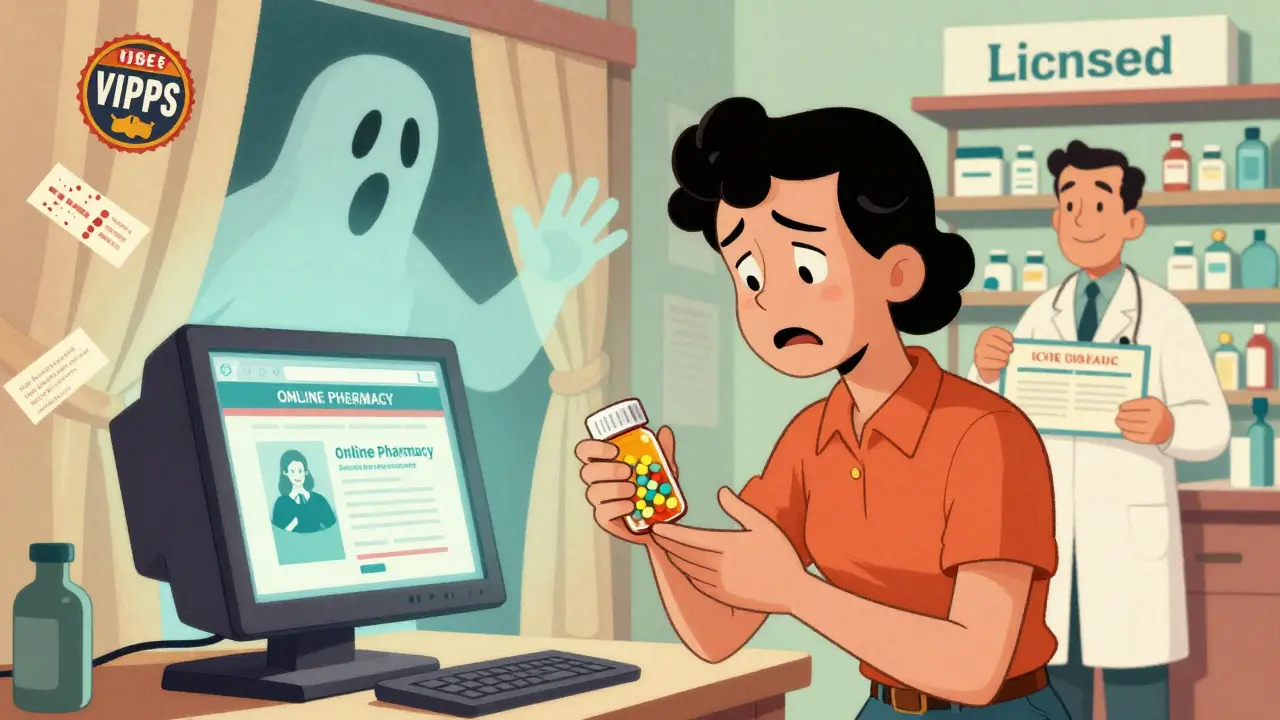
Every year, millions of people buy medications online or from local pharmacies without checking if they’re legitimate. That’s a dangerous habit. Counterfeit drugs are real, they’re growing in number, and they can kill you. The FDA estimates that 1% to 3% of the $575 billion U.S. prescription drug market comes from illegal sources. That’s between $5.75 billion and $17.25 billion in fake or unsafe medicines circulating every year. You might think it won’t happen to you-but it already has. A woman in California discovered her pharmacist had resigned without notice because she checked her pharmacy’s license status. Another consumer lost $850 to a website that faked an NABP seal. These aren’t rare cases. They’re warning signs.
What Makes a Pharmacy Licensed?
A licensed pharmacy isn’t just a business with a sign out front. It’s a facility that has passed strict state-level inspections, employs pharmacists who’ve passed national exams, and operates under rules designed to protect your life. In the U.S., each state has its own Board of Pharmacy that issues licenses. To get licensed, a pharmacy must prove it has a physical location, qualified pharmacists on staff, secure storage for controlled substances, and systems to prevent medication errors. Pharmacists must pass the North American Pharmacist Licensure Examination (NAPLEX), scoring at least 75 out of 150. Many states also require a separate test on local laws, like California’s CPJE.It’s not just about the pharmacist. The pharmacy itself must submit financial records, ownership details, and facility plans. Fees vary: Texas charges $100 annually, while California charges $409. These aren’t just bureaucratic hurdles-they’re safety filters. Unlicensed pharmacies skip all of this. They don’t check drug sources. They don’t train staff. They don’t report errors. And they often sell fake versions of life-saving drugs like insulin, heart medication, or antibiotics that contain no active ingredient-or worse, toxic chemicals.
How to Check If a Pharmacy Is Legit
You don’t need a degree in pharmacy to verify a pharmacy’s license. You just need five minutes and the right tools. Here’s how to do it:- Find the state board website. Go to your state’s Board of Pharmacy site. For example, if you’re in Florida, visit the Department of Health’s license lookup. In California, use the California Board of Pharmacy’s Verify a License portal. Type in the pharmacy’s name or license number. Don’t include prefixes like “Pharm.” or “LP.” Just the numbers.
- Check the license status. Look for words like “active,” “in good standing,” or “current.” Avoid pharmacies listed as “inactive,” “suspended,” or “under investigation.” One Reddit user missed this detail and filled a prescription at a pharmacy that had been suspended for six months. The pharmacist had left. The owner was selling expired insulin.
- Look for a physical address. Legitimate pharmacies have real locations. Use Google Maps Street View. Can you see the building? Is there signage? Is there a parking lot? If the address leads to a residential house or a PO Box, walk away.
- Confirm a pharmacist is available. By law, 45 states require a licensed pharmacist to be present during business hours. Call the pharmacy. Ask to speak to a pharmacist. If they say “just leave your number,” or “we’ll email you the instructions,” that’s a red flag.
- Verify VIPPS or NABP accreditation. The Verified Internet Pharmacy Practice Sites (VIPPS) program, run by the NABP, is the gold standard for online pharmacies. Look for the VIPPS seal on the website. Then click it. It should link directly to the NABP’s official verification page. If it doesn’t, or if the seal looks blurry or misaligned, it’s fake. The FDA says 98.7% of illegitimate online pharmacies fail NABP’s LegitScript verification.
Some people think, “I’ve used this site for years.” But legitimacy doesn’t last forever. Licenses expire. Pharmacists leave. Owners change. A pharmacy that was fine in 2022 could be suspended by 2024. Always recheck before each order.
Why Online Pharmacies Are Riskier
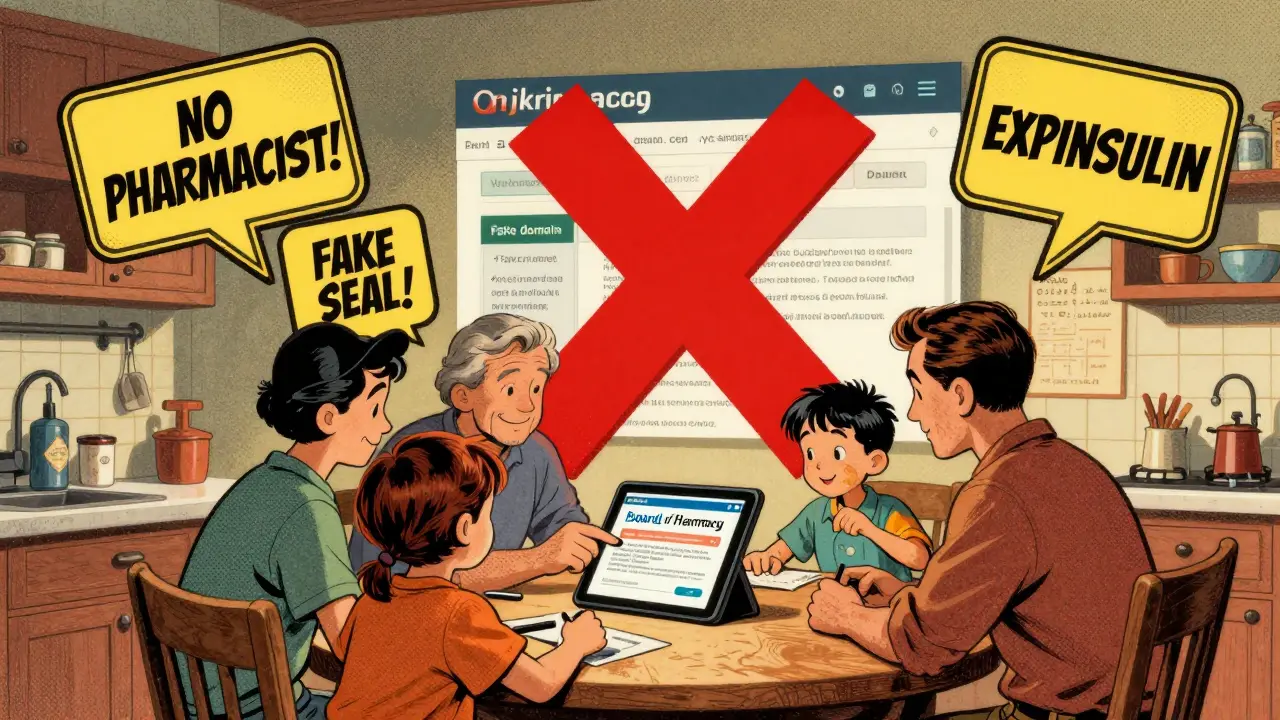
The rise of online pharmacies has made verification harder-not easier. It’s tempting to buy from a site that offers $10 pills for a drug that costs $120 at your local pharmacy. But here’s the truth: if it sounds too good to be true, it is. The FDA’s Operation Safety Script found that 1 in 4 online medication sellers operate without a license. Many are based overseas, shipping from countries with weak drug regulations. Their products may contain paint thinner, rat poison, or no medicine at all.Even worse, some fake pharmacies mimic real ones. They copy logos, use similar domain names, and even fake customer reviews. Trustpilot ratings can be manipulated. A 4.1-star rating doesn’t mean safety. One user in a 2023 Better Business Bureau report bought from a site that looked identical to a real VIPPS pharmacy. The only difference? The URL ended in .xyz instead of .com. By the time they realized, the pills had already arrived-and they were ineffective.
Legitimate online pharmacies are rare. Only 312 pharmacies are enrolled in the Verified Pharmacy Program (VPP) as of December 2023, covering just 1,872 locations. That’s less than 1% of all U.S. pharmacies. If you’re buying online, stick to those few verified names.
State vs. National Verification Systems
Not all verification tools are equal. Some states make it easy. Florida lets you check licenses for free, instantly, online. California charges $120 for a written verification and takes 30 days. That’s a huge difference. The NABP Verify program was created to fix this. It lets you search across all 50 states at once. But it costs $125 a year for pharmacists-and consumers can’t access the full database. You can only use the public search tool, which is free but limited.Here’s what you need to know: if you’re buying from a pharmacy in your own state, use your state’s website. It’s faster and more detailed. If you’re buying from an out-of-state pharmacy-especially online-use NABP’s public search tool. Don’t rely on the pharmacy’s own “verified” badge. Always cross-check with the official state or NABP site.
And don’t assume a pharmacy is safe just because it’s listed on a big platform like Amazon Pharmacy or CVS Caremark. Those are licensed-but they’re also partners with third-party suppliers. If you’re unsure, verify the actual dispensing pharmacy, not the retailer.
What Happens If You Use an Unlicensed Pharmacy?
The risks aren’t theoretical. In 2023, the FDA reported a 22% jump in enforcement actions against illegal pharmacies. These aren’t just fines. People have died. Fake erectile dysfunction pills contained high doses of blood pressure drugs. Fake cancer treatments had no active ingredients. Fake antibiotics were laced with heavy metals.Unlicensed pharmacies are 4.7 times more likely to dispense the wrong medication. They’re 8.2 times more likely to be involved in diverting controlled substances like oxycodone or Adderall. That means your pills might be swapped with someone else’s, or worse-your prescription could be sold on the black market.
And if something goes wrong? You have no recourse. No insurance will cover it. No pharmacy will take responsibility. You can’t file a complaint with the state board because the pharmacy doesn’t exist in their system. You’re on your own.

What You Can Do Today
You don’t need to be a pharmacist to protect yourself. Here’s your action plan:- Always verify before you buy-even if you’ve bought from the same place before.
- Use your state’s Board of Pharmacy website first. It’s the most accurate source.
- For online pharmacies, only use those with a clickable VIPPS seal that links to NABP’s official site.
- Never buy from websites that sell prescription drugs without a prescription. That’s illegal in every state.
- Save screenshots of your verification results. If something goes wrong later, you’ll have proof you checked.
- Tell your friends and family. Most people don’t know how to verify a pharmacy. You can save someone’s life by sharing this.
The system isn’t perfect. Verification tools are inconsistent. Fees vary. Some states are slow. But the tools you need are free and available. You just have to use them.
What’s Changing in 2025
Regulators are catching up. In January 2024, California required out-of-state pharmacies shipping to residents to provide an 800-number for direct pharmacist access. The FDA launched a $15 million initiative to detect fake online pharmacies faster. The NABP’s InterConnect system now updates license status in real time across 43 states. By 2027, experts predict national licensing standards will cut verification complexity by 60%.But until then, the burden is on you. Don’t wait for the government to fix it. Don’t assume your doctor or insurance company has checked for you. Your health is your responsibility. And the only way to be sure your medicine is safe is to verify the pharmacy yourself.
How do I know if my pharmacy is licensed?
Go to your state’s Board of Pharmacy website and search for the pharmacy by name or license number. Look for an “active” or “in good standing” status. Avoid pharmacies with suspended, expired, or inactive licenses. You can also use the NABP’s public license search tool to check across multiple states.
Can I trust online pharmacies that offer cheap prices?
No. Legitimate pharmacies don’t sell prescription drugs at prices that are 80% lower than retail. If a website offers $10 pills for a drug that normally costs $120, it’s likely selling counterfeit or expired medication. Always verify the pharmacy through official state or NABP channels before ordering.
What’s the difference between VIPPS and NABP Verify?
VIPPS is a certification program for online pharmacies that meet strict safety and operational standards. NABP Verify is a database that shows the current license status of any pharmacy in the U.S. A pharmacy can be licensed (verified) without being VIPPS-certified, but a VIPPS pharmacy must also be verified. Always look for the clickable VIPPS seal on websites.
Is it safe to buy medicine from Canada or other countries?
The FDA does not approve most foreign pharmacies, even those in Canada. Many websites claiming to be Canadian are actually based in other countries and ship fake drugs. Even if the drugs are real, there’s no guarantee of storage conditions, expiration dates, or proper labeling. Only buy from pharmacies verified by your state board or NABP.
What should I do if I suspect a pharmacy is fake?
Report it immediately. Contact your state’s Board of Pharmacy and file a complaint with the FDA’s MedWatch program. If you’ve already bought medicine, stop taking it and contact your doctor. Keep the packaging and receipt. Even if you think nothing happened, reporting helps authorities shut down dangerous operations before others are harmed.
Sidra Khan
December 21, 2025 AT 13:43Just bought my blood pressure meds from a site that looked legit-turns out the seal was a screenshot. I didn’t check. Now I’m on a 3-month wait for a new script. Don’t be me.
Lu Jelonek
December 22, 2025 AT 07:03As someone who grew up in a country where pharmacies are run by people who actually care, it’s wild how little oversight exists here. In Nigeria, if a pharmacy sells fake insulin, they don’t just get fined-they go to jail. No bureaucracy, no waiting. Just justice. We need that here.
siddharth tiwari
December 24, 2025 AT 00:16the fda is a scam. they let big pharma control everything. why do you think they dont just shut down all the fake sites? because they make money off the system. the vipps seal? its just another corporate logo. real medicine is in the shadows now. you think your insulin is safe? think again.
suhani mathur
December 24, 2025 AT 18:40Wow. So the solution to a broken system is… more work for the patient? I’m supposed to call every pharmacy, check state boards, verify seals, screenshot everything… and still get ripped off? At this point, I’d rather just risk it and pray. The system is designed to fail you.
Joe Jeter
December 26, 2025 AT 15:28Everyone’s panicking about fake meds, but no one’s talking about how the real ones are overpriced because of insurance middlemen. You want to stop counterfeit drugs? Fix the pricing. Let people buy from Canada. Let them buy in bulk. Then the shady sites won’t even exist. This whole verification thing is just a distraction to keep you paying $400 for a 30-day supply of metformin.
Ademola Madehin
December 27, 2025 AT 21:43my aunt took fake heart meds and almost died. she was so mad she cried for a week. now she only buys from the pharmacy down the street-even though it costs 3x more. i told her to just use the nabc site but she said ‘i trust my eyes, not your computer.’ she’s right. i’m crying now just typing this.
Diana Alime
December 29, 2025 AT 18:12sooo… i just checked my local pharmacy’s license and it says ‘inactive’?!!? i’ve been going there for 8 years. i even got my cat’s antibiotics there (yes, really). now i’m sitting here in my pajamas with a half-empty bottle of lisinopril wondering if i’ve been poisoning myself. someone tell me i’m overreacting. please.
Adarsh Dubey
December 31, 2025 AT 04:19There’s a balance here. Verification tools exist, yes, but they’re fragmented and inconsistent. The real issue isn’t that people don’t check-it’s that the system makes checking feel like a full-time job. A unified federal database with a simple app would solve 90% of this. We have the tech. We just don’t have the will.
Bartholomew Henry Allen
December 31, 2025 AT 23:59AMERICA DOES NOT NEED MORE RED TAPE. IF YOU WANT SAFE MEDS BUY THEM FROM A LICENSED PHARMACY. IF YOU CHOOSE TO BUY FROM SOME WEBSITE YOU DESERVE WHAT YOU GET. STOP WHINING AND TAKE RESPONSIBILITY. THIS IS NOT A GOVERNMENT PROBLEM. IT IS A PERSONAL RESPONSIBILITY PROBLEM.
Jeffrey Frye
January 1, 2026 AT 15:04the vipps seal is a joke. i checked a site that had it and it linked to a 404 page. turns out the nabp revoked it 11 months ago but the site kept the seal up. people dont know how to verify the verification. its turtles all the way down. and now im scared to take anything.