
Global Generics Policies: How Countries Cut Drug Costs Without Compromising Quality
 Feb, 4 2026
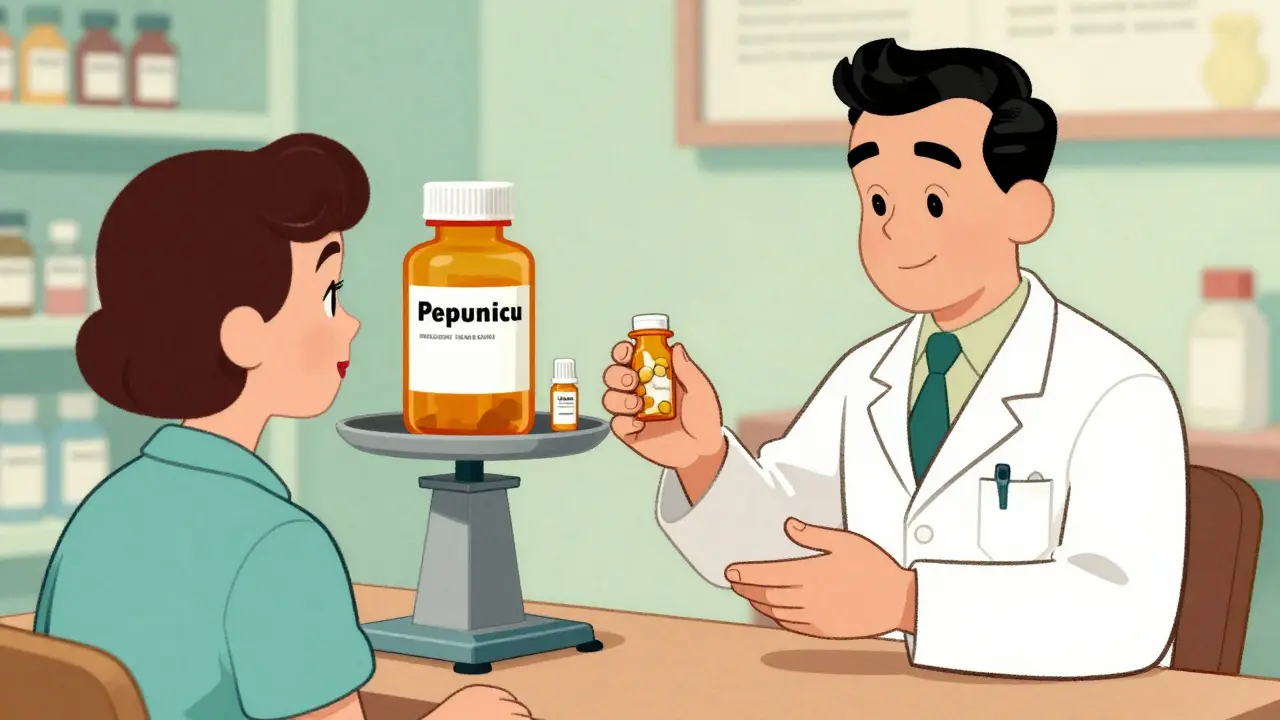
Every year, millions of people worldwide rely on generics to save money on prescriptions. But did you know that how these affordable medicines are regulated varies wildly from country to country? From the U.S. to South Korea to China, governments are using wildly different strategies to control drug costs-and the results are surprising.
What Are Generic Drugs?
Generic drugs are exact copies of brand-name medications that become available after patents expire. They contain the same active ingredients, work the same way in the body, and meet the same quality standards as their brand-name counterparts. The key difference? Price. Generics typically cost 80-85% less than brand-name drugs. This cost difference is why governments worldwide have policies to promote their use. In the U.S., for example, generics make up 90% of prescriptions but only 23% of total drug spending. This huge cost saving helps patients and healthcare systems afford necessary treatments without sacrificing quality.
How the U.S. Handles Generics
The U.S. approach to generics started with the Hatch-Waxman Act the 1984 law that created the modern generic drug approval system of 1984. This law established the Abbreviated New Drug Application (ANDA) pathway, allowing generic manufacturers to prove their drugs are equivalent to brand-name drugs without repeating costly clinical trials. Today, the FDA Orange Book the official list of approved generic drugs in the U.S. tracks over 11,000 approved generics. The system has been incredibly successful: 90.1% of U.S. prescriptions are filled with generics, saving Medicare over $142 billion in 2025 alone. But despite this success, the U.S. still has higher drug prices than other developed countries due to high costs for brand-name medications. The Inflation Reduction Act (IRA) U.S. law allowing Medicare to negotiate drug prices, fully implemented by 2028, may further reshape how generics are used for high-cost drugs.
Europe's Fragmented System
Across Europe, the story is quite different. The European Medicines Agency (EMA) the EU's regulatory body for medicines provides centralized approval for generics, but pricing and reimbursement decisions are made at the national level. This creates a fragmented market where identical generics can cost 300% more in one country than another. For example, a common heart medication might cost €20 in Germany but €80 in Italy. According to the OECD Health at a Glance 2025 report, this fragmentation limits competition and drives up costs unnecessarily. While Germany achieves 88.3% generic utilization through mandatory substitution laws, Italy lags at 67.4% despite similar economic conditions. Experts like Professor Klaus Reinhardt of the London School of Economics criticize this system, saying it creates "market inefficiencies and limits cross-border competition."
South Korea's 1+3 Bioequivalence Policy
South Korea introduced its "1+3 Bioequivalence Policy" in 2020 to control the number of generic drugs on the market. This policy restricts new generic approvals to a maximum of three products using previously submitted data. It's part of a broader "Differential Generic Pricing System" that sets precise price tiers: generics meeting both quality and price criteria get 53.55% of the originator price, single-criteria products at 45.52%, and non-qualifying generics at 38.69%. While this reduced redundant entries by 41% between 2020-2024, it also decreased new generic launches by 29% compared to 2015-2019. Dr. Sarah Peterson of Duke-Margolis Center for Health Policy argues this balance works well for affordability, but others worry it might slow innovation.
China's Volume-Based Procurement (VBP)
China's Volume-Based Procurement (VBP) policy, launched in 2018, is one of the most aggressive generic pricing strategies in the world. The government holds centralized bulk procurement tenders where manufacturers bid to supply drugs at the lowest price. The results are dramatic: average price reductions exceed 54.7%, with some drugs seeing cuts up to 93%. For example, the antihypertensive drug Amlodipine besylate saw a 97% price drop after VBP implementation. However, this approach has caused shortages during transition periods. In 2024, 12 Chinese provinces faced a six-week shortage of Amlodipine due to manufacturers struggling with razor-thin margins. The National Medical Products Administration (NMPA) has accelerated approvals to 10-12 months, but 23% of manufacturers report negative margins on VBP-contracted products.
India's Role as Global Supplier
India is the world's largest provider of generic medicines by volume, supplying 20% of global generic drugs. Its success stems from Section 84 of the Patents Act 1970, which allows compulsory licensing for drugs needed for public health. This has made India a key supplier for low-income countries, with drugs like HIV antiretrovirals costing 90% less than brand versions. However, this model has challenges. Indian manufacturers face 58% of physicians reporting inconsistent bioavailability for some generics, especially for critical drugs like antiepileptics. The FDA has issued 17% more warning letters to Indian manufacturers between 2022-2024 due to data integrity issues. Despite this, India remains crucial for global access to affordable medicines.
Challenges Across Systems
While generics save money, they come with trade-offs. The biggest challenge is balancing affordability with quality and innovation. In China and South Korea, aggressive price cuts have reduced new generic launches by 22-37%, potentially delaying market entry for subsequent generics. In India, quality concerns have led to increased FDA warning letters. Meanwhile, the U.S. faces issues with Pharmacy Benefit Managers (PBMs) sometimes charging higher copays for generics than brand-name drugs. Dr. Anant Jani of the Access to Medicine Foundation warns that "excessive focus on short-term savings risks undermining quality standards." The WHO Global Health Sector Strategy 2024-2030 cautions that "excessively aggressive price competition threatens manufacturing quality and supply chain resilience."
What's Next for Generics?
Several major developments are shaping the future of generics. The U.S. Inflation Reduction Act's drug price negotiation provisions will subject 10-20 high-cost drugs to government-negotiated prices by 2028, potentially accelerating generic substitution. The European Union's Pharmaceutical Package, expected in late 2025, aims to harmonize pricing across member states and speed up generic market entry by 12-15%. China's Phase 4 VBP expansion in January 2026 will add 150 more drugs, with winners committing to 80% hospital supply at 65% below current prices. Meanwhile, the DrugPatentWatch 2025 Strategic Analysis predicts $217-$236 billion in branded drug sales will lose exclusivity by 2030, creating massive opportunities for generics-if policy environments support rapid entry. However, the WHO and McKinsey warn that consolidation in the generic manufacturing sector is inevitable, with the number of global manufacturers expected to drop from 3,500 to 2,200 by 2030 due to margin compression.
Are generic drugs as safe as brand-name drugs?
Yes, generic drugs must meet the same strict quality and safety standards as brand-name drugs. Regulatory agencies like the U.S. FDA require generics to have identical active ingredients, strength, dosage form, and route of administration. They also undergo bioequivalence testing to ensure they work the same way in the body. However, some patients may experience minor differences in inactive ingredients, which can rarely cause reactions in sensitive individuals.
Why do generic drug prices vary so much between countries?
Price variations occur because each country has its own pricing and reimbursement policies. For example, the European Union has centralized drug approval but allows national governments to set prices, leading to differences of up to 300% for identical generics. In contrast, China's Volume-Based Procurement system sets prices through government tenders, while India's compulsory licensing allows local manufacturers to produce generics at very low costs. These differences reflect each country's healthcare priorities and economic context.
Do generic drugs cause more side effects than brand-name drugs?
No, generic drugs are required to have the same active ingredients and effectiveness as brand-name drugs. Any differences in side effects are usually due to inactive ingredients (like fillers or dyes), which are minimal and rarely cause issues. The U.S. FDA monitors adverse events for both brand and generic drugs and has found no significant safety differences. However, patients with specific allergies should check inactive ingredients with their pharmacist.
How do countries ensure generic drug quality?
Most countries require rigorous bioequivalence testing to prove generics work the same as brand-name drugs. The FDA in the U.S. inspects manufacturing facilities globally, while the European Medicines Agency enforces strict quality standards across member states. However, regulatory oversight varies: India faces challenges with data integrity issues, and China's rapid price cuts have led to quality concerns in some cases. The WHO recommends maintaining a minimum 15-20% gross margin for manufacturers to ensure sustainable quality.
What's the biggest challenge for generic drug manufacturers?
The biggest challenge is maintaining profitability while meeting strict quality standards. In markets like China and South Korea, price cuts often leave manufacturers with razor-thin margins-sometimes even negative profits. This leads to supply shortages and quality issues. In India, manufacturers struggle with inconsistent regulatory enforcement, while in the U.S., high development costs for new generics (around $5.9 million per product) make it difficult for smaller companies to compete. The WHO warns that without sustainable pricing models, the global supply chain for generics could become unstable.
lance black
February 4, 2026 AT 20:33Generics save lives and money. Period.
Sam Salameh
February 5, 2026 AT 19:10The US system works great. 90% of prescriptions are generics. Saves billions yearly. Other countries should take notes.
Cole Streeper
February 7, 2026 AT 15:30The FDA is in cahoots with big pharma. They approve generics but don't check them properly. Big Pharma controls everything. You're being lied to.
Dina Santorelli
February 9, 2026 AT 13:01I've seen generics fail. Quality control is inconsistent. Not all are bad, but some are dangerous. Trust me, I've worked in pharma.
Albert Lua
February 10, 2026 AT 14:59As a cultural ambassador, I see how different countries handle generics. India's role is vital for global access, but their quality control needs improvement. China's VBP is aggressive but causes shortages. South Korea's 1+3 policy is smart but limits innovation. The US system is effective but still expensive for brand drugs. Europe's fragmented system is a mess. Each country has its own approach. The WHO and McKinsey warn about consolidation. Manufacturers face razor-thin margins. In the US, PBMs sometimes charge more for generics. India has 58% of physicians reporting inconsistent bioavailability. The FDA has issued more warning letters. The European Pharmaceutical Package aims to harmonize pricing. China's Phase 4 VBP will add more drugs. The future of generics depends on policy balance. It's a complex issue but we need solutions.
Carl Crista
February 12, 2026 AT 13:34The WHO is pushing for lower prices but they don't know the real costs. It's all about control. They don't care about manufacturers going bankrupt.
Phoebe Norman
February 13, 2026 AT 14:42The bioequivalence testing standards vary significantly across regulatory agencies leading to inconsistent therapeutic outcomes which is a major issue for patient safety
Tehya Wilson
February 15, 2026 AT 13:17The European system is fragmented causing price disparities this is inefficient and should be addressed immediately