
Blood Pressure Medications: Types, Side Effects, and What You Need to Know
 Jan, 21 2026
High blood pressure doesn’t come with warning signs. You might feel fine, but your arteries are under constant strain. That’s why blood pressure meds are one of the most commonly prescribed drug classes in the world. About half of adults over 20 in the U.S. are on them. In New Zealand, the numbers are similar. But knowing which pill you’re taking-and why-is just as important as taking it.
How Blood Pressure Medications Work
Your blood pressure isn’t just a number. It’s the force of blood pushing against your artery walls. When it’s too high for too long, it damages your heart, kidneys, brain, and eyes. Blood pressure medications don’t cure hypertension. They manage it by targeting different parts of your body’s pressure-control system. There are ten main classes, but only four are used as first-line treatments for most people: diuretics, calcium channel blockers, ACE inhibitors, and ARBs. Beta-blockers are still used, but mostly when there’s another condition like heart failure or a past heart attack. Each class works differently:- Diuretics (like hydrochlorothiazide) help your kidneys flush out extra salt and water. Less fluid in your blood means lower pressure.
- Calcium channel blockers (like amlodipine) relax your blood vessels by blocking calcium from entering muscle cells in your arteries.
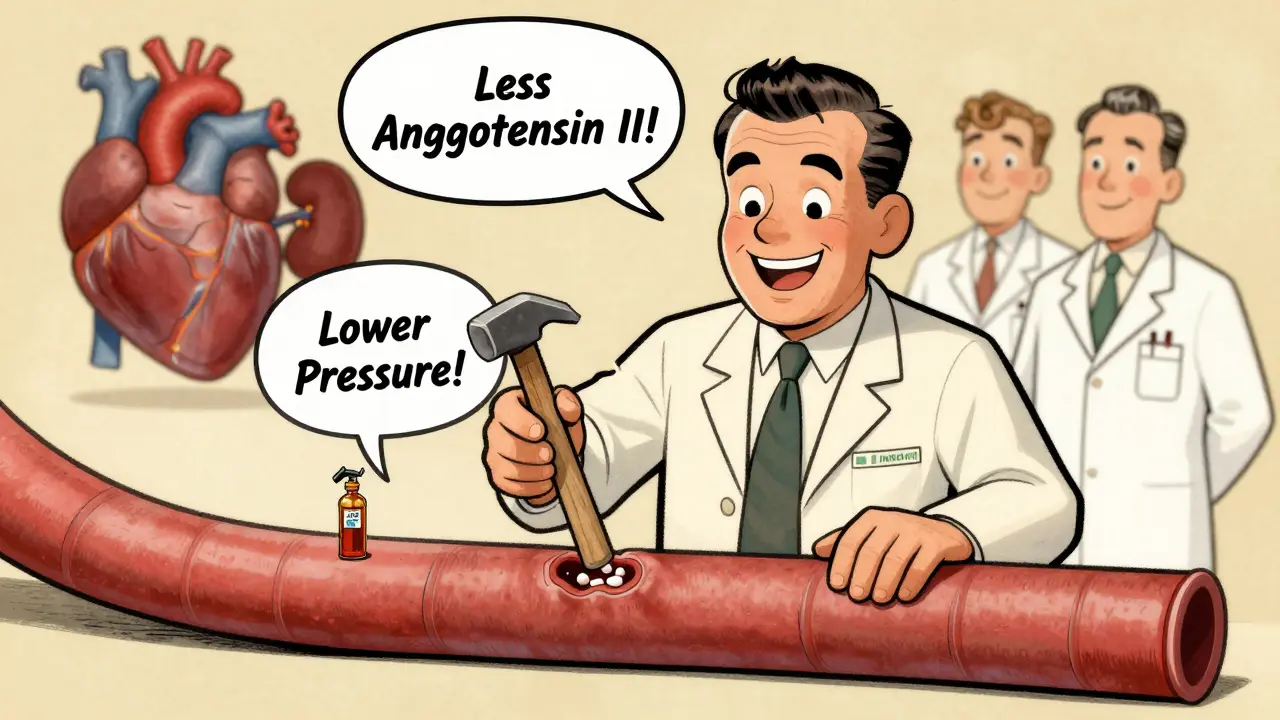
- ACE inhibitors (like lisinopril) stop your body from making a hormone called angiotensin II, which tightens blood vessels.
- ARBs (like losartan) block the same hormone but at the receptor level-so they do a similar job without the dry cough that often comes with ACE inhibitors.
Common Side Effects by Medication Class
Side effects aren’t the same for everyone. Some people feel nothing. Others notice changes right away. Knowing what to expect helps you decide if the trade-off is worth it.Diuretics can make you pee more often, especially when you first start. You might also get low potassium, which can cause muscle cramps or irregular heartbeat. Some people notice gout flares because uric acid builds up.
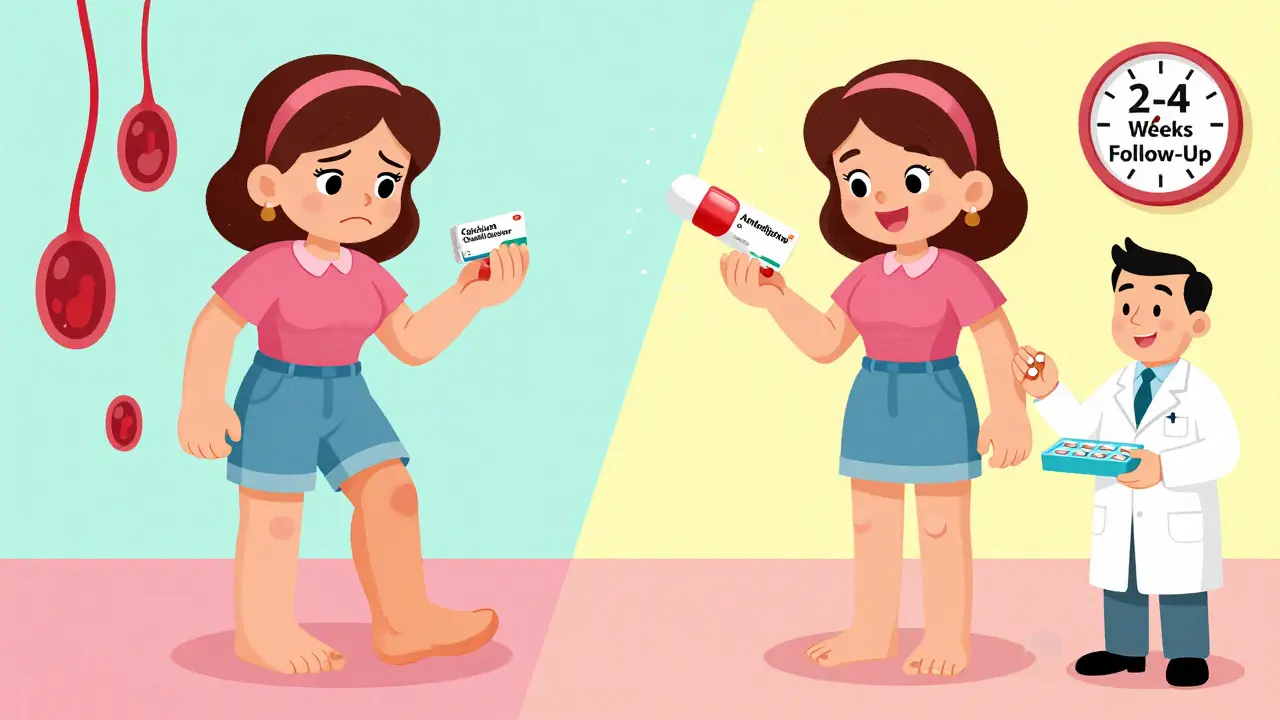
Calcium channel blockers often cause swollen ankles, dizziness, or flushing. Amlodipine, the most common one, can also lead to gum swelling-something many patients don’t realize is linked to their pill. Non-dihydropyridines like verapamil can cause constipation or slow heart rate.
ACE inhibitors are known for the dry, tickly cough that affects 10-20% of users. It’s not dangerous, but it’s annoying enough that many people stop taking them. Rarely, they can cause angioedema-a sudden swelling of the face, lips, or throat that needs emergency care.
ARBs have fewer side effects than ACE inhibitors. No cough. But they still carry the risk of high potassium and, like ACE inhibitors, are unsafe in pregnancy.
Beta-blockers like metoprolol can make you feel tired, cold, or sluggish. They might mess with your sleep or hide symptoms of low blood sugar if you’re diabetic. For people with asthma, they can trigger breathing problems.
Other classes-alpha-blockers, vasodilators, aldosterone blockers-have their own profiles. But they’re usually added only if the first four aren’t enough.
Who Gets What? It’s Not One-Size-Fits-All
Doctors don’t pick meds based on a checklist. They look at your whole picture.If you’re Black, guidelines recommend starting with a diuretic or calcium channel blocker. Studies show ACE inhibitors and ARBs are less effective as first-line in this group.
If you have diabetes and kidney disease, an ACE inhibitor or ARB is often the best choice. They protect your kidneys better than other drugs.
If you’ve had a heart attack, a beta-blocker is usually added. It lowers the chance of another one.
If you’re over 65, doctors often start with a lower dose. Older bodies process meds slower. Too much can drop your blood pressure too fast when you stand up, leading to falls.
And if you’re pregnant? ACE inhibitors, ARBs, and direct renin inhibitors are strictly off-limits. They can cause serious harm to the baby. Methyldopa and labetalol are the go-to options here.
Combination Therapy Is the Norm
Most people need more than one pill. About 70% of patients require two or more medications to reach their target.The 2025 American Heart Association guidelines say if your blood pressure is 140/90 or higher, you should start with two drugs at once-not one, then wait weeks to add another. That’s because high blood pressure doesn’t wait. The sooner you control it, the less damage it does.
Common combinations include:
- ACE inhibitor + diuretic
- ARB + calcium channel blocker
- Diuretic + calcium channel blocker
Some pills even come in a single tablet with two drugs inside-like lisinopril/hydrochlorothiazide or amlodipine/valsartan. Fewer pills mean fewer chances to forget.
Safety Risks and Dangerous Interactions
It’s not just about what you take. It’s what you take with it.Combining ACE inhibitors or ARBs with NSAIDs (like ibuprofen or naproxen) can suddenly wreck your kidney function. Even occasional use can be risky.
Never take an ACE inhibitor and an ARB together. It doesn’t give you better control-it just raises your potassium dangerously high and increases the chance of kidney failure.
Alcohol can make any blood pressure med work too well. You might feel dizzy or faint, especially when standing up. And grapefruit juice? It can spike levels of some calcium channel blockers, leading to too much drop in pressure.
St. John’s Wort, certain antibiotics, and even some over-the-counter cold meds can interfere. Always tell your pharmacist what you’re taking-every time.
Adherence Is the Biggest Challenge
You don’t feel sick when your blood pressure is high. So why take a pill every day?Half of people stop their meds within a year. Not because they’re dangerous. But because they’re invisible. No pain. No symptoms. Just a daily habit.
Here’s what works:
- Use a pill organizer with alarms.
- Link taking your pill to something you already do-brushing your teeth, eating breakfast.
- Ask your doctor about combination pills to reduce the number of tablets.
- If side effects are bothering you, don’t quit. Talk to your doctor. There’s almost always another option.
Studies show that using a simple app to remind you and track your pressure can boost adherence by 15-20%. That’s not magic. That’s just better support.
Monitoring and Follow-Up
Blood pressure checks aren’t optional. They’re part of the treatment.After starting a new med or changing a dose, your doctor will want to see you in 2-4 weeks. They’ll check your pressure, ask how you’re feeling, and order a blood test to look at your potassium and kidney function.
Those tests aren’t just routine. They catch problems early. High potassium from an ACE inhibitor? Low sodium from a diuretic? Both can be fixed before they cause harm.
At home, use a validated upper-arm monitor. Wrist and finger devices aren’t reliable. Write down your readings and bring them to appointments.

What’s Next? Personalized Medicine on the Horizon
Right now, we guess which drug will work for you. In the next 5-10 years, that might change.Researchers are studying how your genes affect how you respond to beta-blockers, ACE inhibitors, and diuretics. One person might need twice the dose of lisinopril because of their DNA. Another might respond perfectly to a low dose of amlodipine.
That’s pharmacogenomics. It’s not mainstream yet, but clinical trials are showing promise. Soon, your blood test might include a genetic profile to help your doctor choose your first pill-not guess, but know.
For now, the best approach is simple: take your meds, track your pressure, talk to your doctor about side effects, and never assume you’re fine just because you feel fine.
Frequently Asked Questions
Can I stop taking blood pressure medication if my pressure is normal?
No. Normal blood pressure on medication means the medicine is working-not that you no longer need it. Stopping suddenly can cause your pressure to spike back up, sometimes dangerously high. Always talk to your doctor before making changes. In rare cases, if you lose weight, improve your diet, and exercise consistently, your doctor might slowly reduce your dose. But that’s a decision made with monitoring, not self-judgment.
Which blood pressure medication has the least side effects?
There’s no universal answer. ARBs generally cause fewer side effects than ACE inhibitors because they don’t cause the dry cough. Calcium channel blockers are well-tolerated by many, though swelling in the ankles is common. Diuretics are cheap and effective but can affect electrolytes. The best medication is the one that controls your pressure with the fewest side effects-for you. That’s why trial and communication with your doctor matter more than rankings.
Are natural remedies enough to replace blood pressure meds?
Lifestyle changes-like reducing salt, losing weight, exercising, and limiting alcohol-can lower blood pressure significantly. Some people with mild hypertension can delay or even avoid meds with these changes. But for most, especially those with readings above 140/90 or with other health issues like diabetes or heart disease, lifestyle alone isn’t enough. Natural remedies like garlic, hibiscus tea, or magnesium supplements may help a little, but they’re not replacements for proven medications. Never stop your pills to try something natural without talking to your doctor first.
Why do I need blood tests if I feel fine?
High blood pressure is silent. So are some of the side effects of the drugs that treat it. ACE inhibitors and ARBs can raise potassium to dangerous levels without you feeling it. Diuretics can drop sodium or potassium too low. These changes can lead to heart rhythm problems or kidney damage before you notice anything. Blood tests catch these early. They’re not about how you feel-they’re about protecting your body from hidden risks.
Can blood pressure meds cause weight gain?
Some can. Beta-blockers like metoprolol and older ones like atenolol can slow metabolism slightly and make it harder to lose weight. Calcium channel blockers may cause fluid retention, which adds temporary weight. Diuretics do the opposite-they help you lose water weight. If you’re gaining weight on a new blood pressure med, talk to your doctor. It might be fluid, not fat. And there are often alternatives that don’t have this effect.
Next Steps
- Write down your current meds and doses. Bring this list to every appointment.
- Start tracking your blood pressure at home twice a week. Use a validated device.
- If you’re missing doses, try a pill box with alarms or a reminder app.
- Ask your doctor: "Is there a combination pill I could switch to?" or "Could I try a different class if this side effect doesn’t go away?"
- Never share your meds. What works for you might be dangerous for someone else.
Managing high blood pressure isn’t about perfection. It’s about consistency. One pill, one day, at a time. That’s how you protect your heart-for decades to come.
Akriti Jain
January 23, 2026 AT 01:13Ryan Riesterer
January 24, 2026 AT 01:16Mike P
January 25, 2026 AT 00:37Jasmine Bryant
January 26, 2026 AT 21:57Margaret Khaemba
January 27, 2026 AT 16:42Malik Ronquillo
January 28, 2026 AT 06:18Brenda King
January 28, 2026 AT 14:43Keith Helm
January 29, 2026 AT 20:49Daphne Mallari - Tolentino
January 30, 2026 AT 04:05Neil Ellis
January 31, 2026 AT 12:06Rob Sims
January 31, 2026 AT 22:51Chiraghuddin Qureshi
February 1, 2026 AT 07:15Patrick Roth
February 1, 2026 AT 13:07Kenji Gaerlan
February 1, 2026 AT 16:39Tatiana Bandurina
February 3, 2026 AT 01:02